Replacing a Fireplace with a Wood Stove: A Complete Guide
Are you tired of a drafty, inefficient open fireplace that sends most of its heat up the chimney? You are not alone. Converting to a wood stove can transform your home's heating, boosting efficiency from a dismal 10% to over 70%. This guide walks you through every step of the decision, from understanding the benefits and costs to choosing the right stove and planning a safe installation.
Why Replace a Fireplace with a Wood Stove?
Traditional open fireplaces are charming but notoriously inefficient. They draw warm air from your room to feed the fire, sending the majority of that heat straight up the chimney. In fact, a standard fireplace can actually make the rest of your home colder by pulling in cold air from outside to replace the air that's lost. A modern wood stove, on the other hand, is a controlled combustion machine. It burns wood at high temperatures, using a sealed firebox and a dedicated air supply to extract far more heat from every log.
The difference in performance is staggering. A high-efficiency wood stove can deliver up to 70-80% efficiency, compared to the 10-20% of an open hearth. This means you burn less wood for more heat, reducing your fuel consumption and your environmental footprint. For homeowners looking to lower heating bills and increase comfort, this conversion is one of the most effective upgrades you can make. If you're still evaluating your options, our guide on most energy-efficient fireplace types can provide a broader comparison.
Beyond efficiency, a wood stove offers a different aesthetic and practical advantages. It becomes a central, radiant heat source that can warm a large area of your home. The flickering fire is still there, but now it's contained and controlled. You also gain a flat, reliable surface for emergency cooking or heating a kettle, which is a significant benefit during power outages. As you research, you may also encounter other alternatives; understanding the pros and cons of each fireplace type will help you confirm that a wood stove is the right choice for your lifestyle and home.
Types of Wood Stoves for Your Conversion
Not all wood stoves are created equal. When replacing a fireplace, you'll generally be choosing between two main categories: freestanding stoves and fireplace inserts.
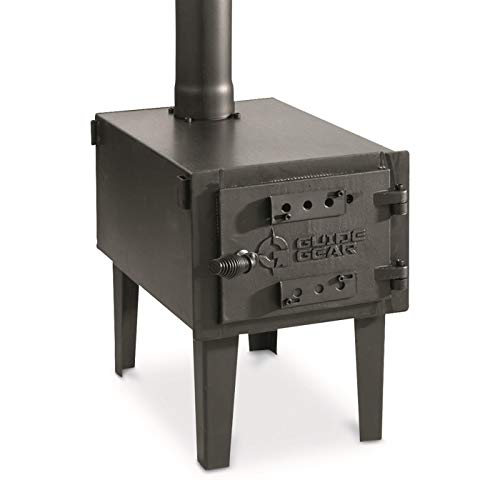
- Freestanding Wood Stoves: These are standalone appliances that sit in the room. They radiate heat from all sides and are typically the most efficient option. They require a dedicated flue and proper clearances from walls and furniture. If you have the space and want maximum heat output, a freestanding model is often the best choice. You can find many options for a free-standing wood burning stove with blower that can circulate heat even more effectively.
- Wood Stove Inserts: These are designed to fit inside your existing fireplace opening. They are essentially a wood stove enclosed in a shell that vents into your existing chimney. Inserts are ideal if you want to keep your fireplace's aesthetic and don't have room for a freestanding stove. A high-quality efficient wood burning fireplace insert is a fantastic way to upgrade an open fireplace without a major remodel.
When choosing, consider your home's layout, your heating goals, and your budget. Inserts are generally a simpler installation, while freestanding stoves can provide more radiant heat.
Installation, Cost, and Venting
The installation process for a wood stove is a significant undertaking that requires careful planning. It is not a typical DIY project unless you are highly experienced. The most critical component is the venting system. You cannot simply vent a wood stove into an existing masonry chimney without a proper liner. A stainless steel chimney liner is almost always required to handle the higher temperatures and corrosive byproducts of a modern wood stove. This liner must be insulated to prevent creosote buildup and ensure a proper draft. You can learn more about the components in our guide on installing a wood burning stove in a fireplace.
Costs can vary widely depending on whether you choose a freestanding stove or an insert, and whether you need a new chimney liner or a full chimney rebuild. A budget-friendly DIY install of a basic insert might be on the lower end, while a premium freestanding stove installed by a professional with a new insulated liner will be a significant investment. For a detailed breakdown of the components involved, see our article on the cost of installing a fireplace insert. It's also wise to check local building codes and permit requirements before you begin; our fireplace permit requirements guide is a good starting point.
Professional installation is highly recommended. A certified chimney sweep or hearth professional will ensure the stove is installed safely, with correct clearances to combustibles, and that the venting system is up to code. This is not an area to cut corners, as improper installation can lead to house fires or carbon monoxide poisoning.
Maintenance and Long-Term Ownership
Once installed, a wood stove requires regular maintenance to operate safely and efficiently. You will need to clean the chimney annually to remove creosote, a highly flammable byproduct of burning wood. You should also regularly empty the ash pan, check the door gaskets for a tight seal, and inspect the firebricks for cracks. Establishing a fireplace maintenance schedule is essential.
One common issue is smoke spillage when opening the door. This often indicates a draft problem, which could be due to a clogged chimney, a faulty liner, or negative pressure in the home. Our article on wood fireplace draft problems offers solutions. By staying on top of maintenance, you can expect your wood stove to last for decades, providing reliable, efficient heat. This long lifespan makes the initial investment well worth it, especially when you consider the value a fireplace adds to your home.
Frequently Asked Questions
Can I install a wood stove myself?
While it's technically possible, it is strongly discouraged. Proper installation involves complex venting, clearance, and safety requirements. A mistake can be catastrophic. It's best to hire a certified professional.
Do I need a chimney liner?
Yes, in almost all cases. A stainless steel liner is required to safely vent the high-temperature exhaust from a wood stove. It also protects your chimney from damage and ensures proper draft.
How much can I save on heating bills?
Savings vary based on your home's insulation, local climate, and wood costs. However, many homeowners report significant reductions in their primary heating fuel usage by using a wood stove as a zone heater for their main living area.