Cost of Installing a Fireplace Insert: Complete Guide
Understand the true investment for upgrading your fireplace. Learn about the factors, tier levels, and hidden expenses that determine the final cost of installing a fireplace insert.
Explore Cost FactorsPlanning Your Upgrade: Installing a fireplace insert is a significant home improvement decision. This guide breaks down the variables that influence the total cost, helping you budget with confidence and choose the right tier for your needs.
Understanding the Investment: What Determines the Cost?
The total cost of installing a fireplace insert is not a single line item. It is a combination of the unit itself, the complexity of the installation, and any necessary modifications to your existing fireplace and home. Unlike a simple appliance swap, an insert installation involves fitting a new heating system into an existing structure, which requires careful planning and professional assessment.
The final figure is influenced by several key variables: the type of insert you choose (wood, gas, electric, or pellet), its efficiency rating and features, the condition of your current chimney and fireplace, and whether you hire a professional or attempt a DIY installation. Understanding these factors is the first step toward making a well-informed decision.
Key Factors That Influence the Cost of Installing a Fireplace Insert
Several distinct elements contribute to the overall expense. Being aware of each one helps you anticipate the final investment and avoid surprises.
1. The Insert Unit Itself
The insert is the core component. Its tier level—entry-level, mid-range, or premium—is the primary driver of the base cost. A high-efficiency wood-burning insert with a blower will sit in a different tier than a basic electric insert designed for 1000 sq ft. Premium models often include advanced features like thermostatic control, remote operation, and superior construction materials, which are reflected in their market position.
2. Type of Insert and Fuel Source
The fuel type dictates not only the unit's tier but also the installation requirements. A gas insert with a blower and thermostat may require a gas line connection, while a wood-burning insert needs a chimney liner and proper venting. Electric inserts are often the most straightforward to install, as they typically require only a power source, making them a popular choice for retrofitting into an existing fireplace.
3. Condition of the Existing Fireplace and Chimney
This is often the most unpredictable cost factor. If your chimney is in good condition, the installation is more straightforward. However, if it requires relining, repairing, or a stainless steel chimney liner, these additional services will increase the total. A professional inspection before purchase is crucial. Issues like a damaged fireplace insert replacement panel or a stuck damper must be addressed.
4. Labor and Professional Installation
While some electric inserts are DIY-friendly, gas, wood, and pellet inserts almost always require professional installation for safety and code compliance. Labor costs vary based on your region, the complexity of the job, and the installer's expertise. Attempting a complex DIY gas fireplace installation without proper certification is dangerous and may void warranties or insurance.
5. Additional Components and Accessories
Beyond the insert and labor, you may need to budget for ancillary items. These can include a new fireplace surround, a hearth pad, a mantel, or a blower fan if not included. For gas models, you might need logs for a gas fireplace or a replacement remote control. These additions enhance both the functionality and aesthetic appeal of your new insert.
Cost Considerations by Insert Type
Each insert type carries a different cost profile due to varying installation complexity and unit tiers. Here is a breakdown of what to expect for each category.
Electric Fireplace Inserts
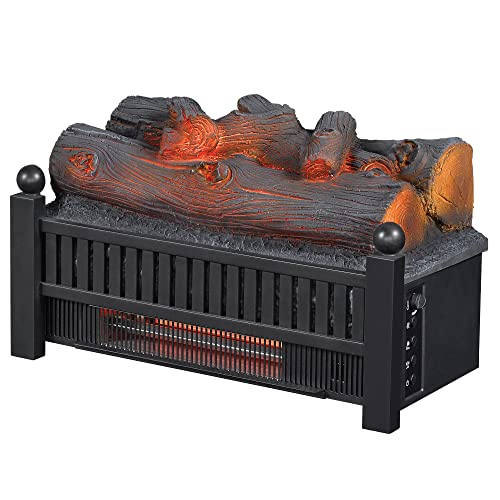
Electric inserts are generally the most budget-friendly option for installation. They do not require venting, gas lines, or chimney liners. The primary cost is the unit itself and a standard electrical connection. This makes them an excellent choice for apartments or rooms where structural modifications are not feasible. For a realistic look, consider a most realistic looking electric fireplace insert.
Gas Fireplace Inserts
Gas inserts sit in the mid-range for installation complexity. They require a gas line, which may already exist, and a venting system (either direct vent or B-vent). The cost includes the unit, a professional gas fitter, and possibly a chimney liner. Models like a direct vent gas fireplace insert with blower offer high efficiency and convenience.
Wood-Burning Fireplace Inserts
Wood inserts often involve the highest installation cost due to the need for a stainless steel chimney liner, which must be sized correctly for the insert's flue. The installation is labor-intensive and requires a certified professional. A high-efficiency wood-burning fireplace insert is a premium tier investment that pays back in heating savings over time.
Pellet Stove Inserts
Pellet inserts are a specialized category. They require electricity for the auger and fans, and a venting system that can often go horizontally through a wall. The installation cost is comparable to a wood insert, but the unit tier and ongoing fuel costs differ. A pellet stove insert is a unique solution for consistent, automated heating.
Hidden Costs to Anticipate
Smart budgeting means looking beyond the sticker price of the insert and the basic labor quote. Several hidden costs can arise during a fireplace insert installation.
- Chimney Inspection and Cleaning: Before any work begins, a chimney cleaning and inspection are necessary. This is a separate service with its own associated tier.
- Permits: Many municipalities require a permit for installing a solid-fuel or gas appliance. Check your local fireplace permit requirements.
- Structural Modifications: If the existing firebox is too small or damaged, masonry work may be required. This is a significant cost variable.
- Electrical Work: For electric or pellet inserts, you may need a new outlet or a dedicated circuit, which requires an electrician.
- Mantel and Surround Clearances: A new insert may have different clearance requirements, potentially necessitating a new non-combustible surround or a modified mantel.
Budgeting by Quality Tier
To help you plan, we can categorize the overall project into three universal tiers. This is a relative framework, not an absolute price list, as costs vary by region and specific product choice.
Entry-Level Tier
This tier typically includes standard electric inserts or basic gas models. The installation is often simpler, and the project may be suitable for a confident DIYer if it's an electric unit. The focus is on providing ambiance and supplemental heat at an accessible entry point.
Mid-Range Tier
This tier encompasses higher-efficiency gas inserts, many wood and pellet models, and premium electric units with advanced features like sound effects or thermostatic control. Professional installation is standard, and the project often includes a new liner or venting kit. This tier balances performance, features, and overall investment.
Premium Tier
The premium tier represents the highest quality and performance. This includes high-efficiency wood inserts with catalytic converters, large gas inserts with sophisticated controls, and custom installation work. The project may involve significant chimney restoration, custom surrounds, and the highest-tier units available. The investment is substantial, but the result is a top-tier heating and aesthetic centerpiece.
Is the Investment Worth It?
When evaluating the cost of installing a fireplace insert, it's essential to consider the return on investment. An insert can dramatically improve the efficiency of an existing open fireplace, turning it from a net heat loser into a powerful zone heater. This can lead to reduced reliance on central heating and lower energy bills.
Furthermore, a modern insert can improve the safety, appearance, and value of your home. A fireplace can add value to your home, and an efficient insert is a desirable feature for potential buyers. To explore the ongoing financial aspects, compare the electric vs gas running costs and review the hidden costs of owning a fireplace.
Professional Installation vs. DIY
The decision to hire a professional or attempt a DIY fireplace installation is critical. For electric inserts, the task is often manageable for a handy homeowner. However, for gas, wood, and pellet inserts, professional installation is strongly recommended and often required by code.
A certified technician ensures the venting is correct, the gas connections are leak-free, and all clearances are met. They can also identify and resolve issues like a fireplace making noise or a fireplace smoke problem before they become major hazards. The cost of professional installation is an investment in safety and peace of mind.
Taking the Next Step
Understanding the cost of installing a fireplace insert involves looking at the whole picture: the unit, the labor, the condition of your existing structure, and the tier of quality you desire. By breaking down each component, you can create a realistic budget and choose an insert that fits both your home and your financial plan.
For a broader perspective on all the associated expenses, from the unit to the first fire, consult our comprehensive fireplace cost breakdown. Once you have a clear understanding, you can confidently move forward with your purchase and installation.