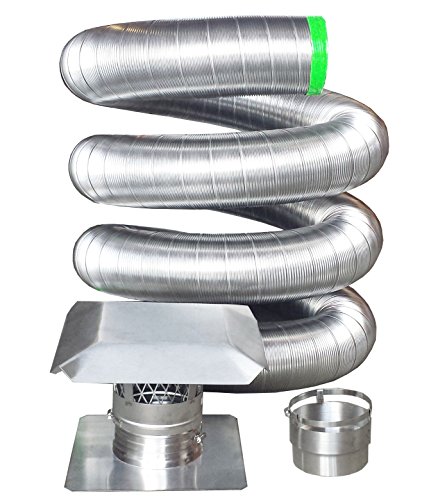
Wood Stove Chimney Liner Installation
A complete guide to safely and efficiently relining your chimney for a wood stove, covering liner types, insulation, sizing, and professional installation insights.
Why Chimney Liners Matter: A properly installed chimney liner is the most critical safety component of any wood stove system. It protects your home from heat transfer, prevents creosote buildup, and ensures optimal draft for efficient combustion.
What Is a Wood Stove Chimney Liner?
A wood stove chimney liner is a rigid or flexible pipe that runs the entire length of your chimney, from the stove outlet to the top of the flue. It creates a contained pathway for smoke, gases, and creosote to exit your home safely. Without a liner, these byproducts can seep into your living space or damage the chimney structure.
Modern liners are typically made from stainless steel, though older homes may have clay tile liners that have degraded over time. If you are considering a new wood stove installation or upgrading an existing one, understanding the liner requirements is essential. For a broader overview of installation steps, see our installing a chimney for a wood stove guide.
Types of Chimney Liners for Wood Stoves
Choosing the right liner depends on your chimney's condition, the stove's output, and your budget tier. Here are the three main options:
- Flexible Stainless Steel Liners: Ideal for chimneys with offsets or bends. They are durable, resistant to corrosion, and available in various thicknesses. This is the most common choice for retrofitting an existing masonry chimney.
- Rigid Stainless Steel Liners: Best for straight chimneys. They offer superior durability and are easier to clean. However, they require a direct path and cannot navigate bends.
- Clay Tile Liners: Often found in older homes. They are prone to cracking and deterioration, especially after a chimney fire. If your clay liner is compromised, a stainless steel liner is usually the recommended replacement.
For a high-efficiency wood stove insert, a stainless steel liner is often specified. You can explore related options in our stainless steel chimney liner for wood stove article.
The Role of Liner Insulation
Insulating your chimney liner is not optional for optimal performance—it is a necessity. An insulated liner provides several benefits:
- Improved Draft: Insulation keeps flue gases hot, which maintains a strong upward draft and reduces smoke back-up.
- Reduced Creosote: Keeping the flue warm minimizes condensation of creosote on the liner walls, lowering chimney fire risk. Learn more in our creosote buildup prevention guide.
- Safety: Insulation creates a barrier between the hot liner and nearby combustible materials in the chimney structure.
Insulation is typically wrapped around the liner in a blanket form or installed as a pour-in vermiculite mix. For DIY enthusiasts, this step requires careful attention to clearance requirements. Our DIY vs professional fireplace installation comparison can help you decide if this is a project you should tackle yourself.
Sizing Your Chimney Liner Correctly
The liner must be sized to match the stove's flue collar and the chimney's height. An undersized liner restricts draft, while an oversized liner allows gases to cool too quickly, leading to creosote buildup and poor performance.
As a rule of thumb, the liner's diameter should match the stove's flue outlet. For example, a stove with a 6-inch collar requires a 6-inch liner. However, chimney height also plays a role. Taller chimneys may require a slightly larger liner to maintain adequate draft. For a detailed method to calculate heating needs, see our fireplace heating capacity BTU guide.
Step-by-Step Installation Overview
While professional installation is recommended for safety and code compliance, understanding the process helps you plan and verify the work. Here is a high-level overview:
- Inspection: A thorough chimney inspection is the first step. This identifies any structural issues, blockages, or existing liner damage. See our fireplace chimney inspection guide for what to expect.
- Cleaning: The chimney must be clean before liner installation. A professional chimney sweep will remove soot, creosote, and debris. Our chimney cleaning guide explains why this is crucial.
- Measuring: Measure the chimney height and any offsets to order the correct liner length and type.
- Insulation: If using a wrap insulation, it is applied to the liner before insertion.
- Insertion: The liner is carefully fed down the chimney from the top or up from the bottom, depending on the configuration.
- Connection: The liner is connected to the stove's flue collar using a stovepipe adapter and secured with screws.
- Top Termination: A rain cap and spark arrestor are installed at the top to prevent water entry and embers from escaping.
- Testing: A draft test ensures proper airflow and no leaks. Our wood fireplace draft problem article covers troubleshooting if issues arise.
For a broader context of installation, including cost factors and planning, refer to our fireplace installation guide overview.
Safety and Ongoing Maintenance
Once your liner is installed, regular maintenance is key to longevity and safety. Schedule annual inspections and cleanings. The annual fireplace inspection guide outlines what to check. Also, be aware of signs of liner degradation, such as rust or visible cracks. If you notice smoke in the room, refer to our fireplace smoke problem troubleshooting article.
For wood stove owners, maintaining the stove itself is equally important. Our wood fireplace maintenance routine covers essential tasks.
When to Call a Professional
Chimney liner installation involves working at heights, handling heavy materials, and ensuring code compliance. If you are not experienced with chimney systems, hiring a certified professional is the safest choice. They can also advise on local building codes and permits. For more on permits, see our fireplace permit requirements article. If you are considering a wood stove insert instead, our wood burning fireplace insert installation cost guide provides helpful context.
Frequently Asked Questions
How long does a chimney liner last? A quality stainless steel liner can last 15-30 years or more with proper maintenance. The lifespan depends on the fuel type, burning habits, and regular cleaning. See our fireplace lifespan guide for more details.
Can I install a chimney liner myself? It is possible for experienced DIYers, but it is a complex and potentially dangerous job. Our DIY fireplace feasibility article discusses the challenges.
Do I need a liner if I have a clay tile chimney? If the clay tiles are intact and properly sized, you may not need a new liner. However, if they are cracked or the chimney is unlined, a stainless steel liner is strongly recommended. Our do fireplaces need a chimney article explains the role of the chimney.
How much does a chimney liner cost? Costs vary based on liner type, length, insulation, and labor. For a detailed breakdown of cost tiers without specific figures, see our fireplace cost breakdown.
What size liner do I need for my wood stove? The liner size should match the stove's flue outlet, typically 6 inches for most residential wood stoves. However, chimney height and stove BTU output can influence the ideal size. Our how to size a fireplace guide provides a useful framework.