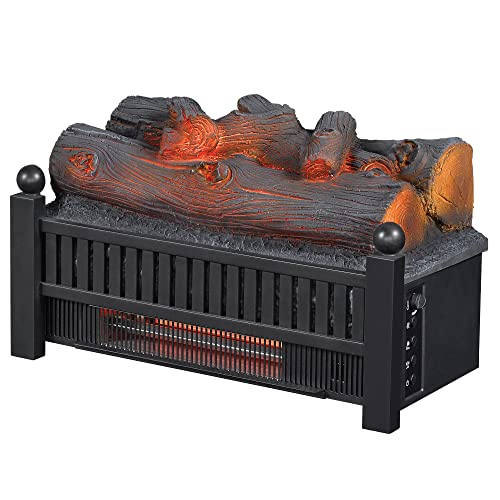
Wood Burning Inserts for Existing Fireplaces
Discover how a wood burning insert can transform your inefficient open fireplace into a powerful, clean-burning heat source that warms your home and reduces energy costs.
If you have an existing open fireplace, you likely know the feeling: a beautiful, crackling fire that looks stunning but does little to actually heat your home. In fact, a traditional open fireplace can lose up to 90% of its heat through the chimney, often making the rest of your house colder by drawing warm air up and out. This is where wood burning inserts for existing fireplaces become a game-changer.
A wood burning insert is essentially a firebox that fits inside your existing masonry or prefabricated fireplace. It is designed to burn wood far more efficiently, converting a decorative feature into a serious heating appliance. This comprehensive guide will walk you through everything you need to know, from how they work and why they are so effective to sizing, installation, and choosing the right model for your needs.
Key Takeaway: A wood burning insert can increase your fireplace's heating efficiency from a dismal 10% to an impressive 70% or more, turning a decorative feature into a primary heat source.
Why Upgrade to a Wood Burning Insert?
The decision to install an insert is usually driven by a desire for better performance and efficiency. Here are the primary benefits you can expect:
- Dramatically Improved Efficiency: Inserts are designed with a closed combustion system. They control the air intake, which allows for a hotter, more complete burn. This means you get more heat from less wood. Many modern models qualify for the 2021 EPA tax credit due to their high efficiency ratings.
- Significant Heat Output: Unlike an open fire, an insert radiates heat through its glass door and circulates it into the room using an internal blower fan. This can effectively heat a large area of your home, reducing reliance on your furnace. For a deeper dive into heating capacity, see our BTU guide.
- Reduced Air Pollution: Older fireplaces and stoves produce significant smoke and particulate matter. Modern EPA-certified inserts burn wood much cleaner, reducing creosote buildup in your chimney and lowering emissions.
- Enhanced Safety: A glass door acts as a barrier, preventing sparks and embers from escaping into your living space. This is a significant safety improvement, especially in homes with children or pets. You can learn more about safety in our ember safety guide.
- Increased Home Value: A high-efficiency heating appliance is an attractive feature for potential homebuyers. It signals that the home is not only comfortable but also economical to heat.
While a wood insert is an excellent choice, it's part of a broader category. If you're curious about other options, you might explore whether it's possible to use a wood stove insert for a gas fireplace or consider the efficiency of a high-efficiency wood burning fireplace insert.
How a Wood Burning Insert Works
Understanding the mechanics helps you appreciate the upgrade. Here's a simple breakdown of how an insert operates:
- Controlled Combustion: You load wood into the insert's firebox and close the glass door. The insert has a controlled air intake, which allows you to regulate the burn. Primary air ignites the wood, while secondary air is injected above the fire to burn off smoke and gases that would otherwise escape up the chimney.
- Heat Generation: The fire burns at a much higher temperature than in an open fireplace. This intense heat is transferred to the cast iron or steel body of the insert.
- Heat Distribution: The insert's outer shell radiates heat into the room. More importantly, a blower fan (often built-in or optional) pushes air through a heat exchanger surrounding the firebox, distributing warm air into your living space.
- Chimney Connection: A stainless steel flue liner is run from the insert, up through your existing chimney, to the top. This liner is crucial for safety and performance, as it contains the flue gases and protects your chimney from heat and creosote.
How to Choose the Right Wood Burning Insert
Selecting the correct insert is critical for both performance and safety. A unit that is too small won't heat your space adequately, while one that is too large will burn inefficiently, causing more smoke and creosote. Here are the key factors to consider:
1. Determine Your Heating Needs (BTU and Square Footage)
You need to match the insert's heat output to the size of the area you want to heat. A general rule of thumb for a well-insulated home in a moderate climate is about 30-40 BTUs per square foot. However, this can vary greatly based on climate, insulation, and ceiling height. For a more precise calculation, consult our guide on how to size a fireplace.
2. Measure Your Existing Fireplace Opening
This is the most important step. You must measure the width, height, and depth of your existing firebox opening. Also, note the shape of the back wall—it may be flat, angled, or tapered. Inserts are designed with various dimensions to fit standard masonry and zero-clearance fireplaces. A model like a 36-inch wood burning fireplace insert with blower is a common size, but you must verify it fits your specific opening.
3. Check for Clearances and Safety Certifications
Always ensure the insert is certified by a recognized testing agency (like UL) and meets EPA emission standards. You must also adhere to the manufacturer's specified clearances to combustible materials (like a wood mantel or framing). If your home is a manufactured home, look for inserts specifically approved for that use, such as those found in a list of manufactured homes with wood burning fireplaces.
4. Consider Efficiency and Features
Look for an EPA-certified insert with a high efficiency rating (often 70% or higher). Key features to look for include:
- Blower: A blower fan is essential for circulating heat effectively. A wood stove insert for fireplace with blower is a popular and effective configuration.
- Glass Door: A large, air-washed glass door keeps the fire visible while preventing heat loss. Models with wood burning fireplace insert with glass doors offer the best viewing experience.
- Firebox Size: A larger firebox means you can fit longer logs and enjoy longer burn times between reloads.
Installation: The Importance of a Chimney Liner
Installing a wood burning insert is not a simple DIY project. It requires a professional to ensure it is done safely and correctly. The most critical component of the installation is the stainless steel flue liner.
Why is a flue liner mandatory? An open fireplace has a large flue. Connecting a high-efficiency insert to this large flue without a liner would cause the flue gases to cool and slow down, leading to poor draft, excessive smoke, and dangerous creosote buildup. A properly sized stainless steel flue liner for wood burners insulates the exhaust and maintains the correct draft for optimal performance and safety. The installation process involves running this liner from the insert's flue collar up through the chimney to the top, where it is capped. For a full overview of what's involved, see our fireplace installation guide. You may also want to understand the wood burning fireplace insert installation cost to budget appropriately.
Maintenance for Longevity and Safety
A wood burning insert is a durable appliance, but it requires regular maintenance to operate safely and efficiently. This includes:
- Annual Chimney Sweep: Even with a liner, creosote can accumulate. An annual inspection and cleaning by a certified chimney sweep are essential. This helps prevent creosote buildup, which is a major cause of chimney fires.
- Ash Removal: Regularly remove ashes from the firebox. You can learn the proper method in our ash removal and disposal guide.
- Glass Cleaning: To maintain a clear view of the fire, clean the glass door periodically. Our guide on how to clean fireplace glass provides safe and effective techniques.
- Gasket Check: The door gasket is a critical seal. Inspect it annually for wear and replace it if it becomes brittle or does not seal tightly.
Following a regular wood fireplace maintenance routine will ensure your insert provides reliable heat for many years.
Frequently Asked Questions
Can I install a wood burning insert myself?
While it is technically possible for a very experienced DIYer, it is strongly discouraged. Installation involves cutting and fitting a heavy stainless steel liner, connecting gas or electrical components (for blowers), and ensuring proper clearances to combustible materials. Improper installation is a serious fire hazard and can void your homeowner's insurance. It is almost always best to hire a professional.
How much can I save on heating bills?
Savings vary based on your climate, the cost of wood in your area, and how much you use the insert. However, because a high-efficiency insert can produce a significant amount of heat, many homeowners find they can reduce their reliance on central heating, leading to substantial savings over the course of a winter. Our article on running costs (though focused on electric vs gas) provides a framework for thinking about operating expenses.
Will a wood burning insert work during a power outage?
Yes and no. The insert itself will produce radiant heat without electricity. However, the blower fan that distributes the heat requires electricity. Without power, the heat will mostly stay in the room where the insert is located, and the unit may overheat if not monitored carefully. Some models can be operated safely without the blower, but always check the manufacturer's instructions.
What is the difference between an insert and a freestanding stove?
An insert is designed to be installed inside an existing fireplace opening, using the chimney for exhaust. A freestanding stove sits out in the room and is connected to a chimney via a stovepipe. While both are efficient, an insert is more of a "retrofit" solution, preserving the look of your existing fireplace. If you are considering a stove instead, you might look at the process of installing a wood burning stove in a fireplace.
Ready to Transform Your Fireplace?
Explore our recommended wood burning inserts below and find the perfect high-efficiency model to heat your home.