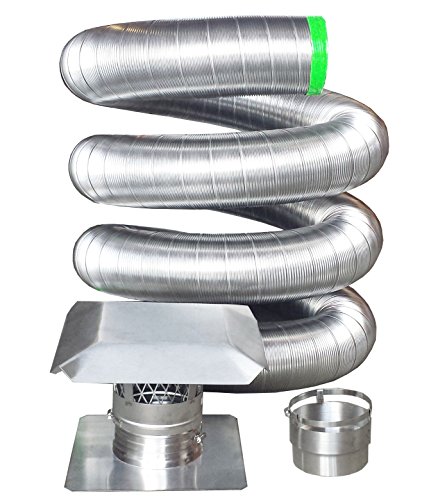
Stainless Steel Flue Liners for Wood Burners: The Complete Guide
Ensure the safety, efficiency, and longevity of your wood-burning stove with the right stainless steel flue liner. Learn how to choose, install, and maintain the optimal liner for your home.
A wood-burning stove is a wonderful addition to any home, providing warmth, ambiance, and a connection to tradition. However, the heart of a safe and efficient wood-burning system isn't the stove itself—it's the flue. A properly sized and installed stainless steel flue liner is critical for directing toxic gases, smoke, and creosote safely out of your home. Whether you are installing a new stove or upgrading an old fireplace, understanding flue liners is essential.
This comprehensive guide will walk you through everything you need to know about stainless steel flue liners for wood burners. We will cover why they are necessary, the different types and grades available, how to choose the right one for your setup, and key maintenance practices to ensure it lasts for years. If you are considering a larger renovation, such as a fireplace buying guide, this information is a vital part of your research.
What is a Stainless Steel Flue Liner?
A flue liner is a flexible or rigid metal tube that is inserted into an existing chimney. It creates a smooth, correctly sized, and sealed path for smoke and gases to travel from your wood burner to the outside. Stainless steel is the material of choice for modern liners due to its high resistance to heat, corrosion, and mechanical stress. It is a fundamental component of a fireplace beginner guide for any solid-fuel appliance.
Unlike a traditional masonry chimney, which can have rough surfaces, gaps, and an inconsistent size, a stainless steel liner provides a perfect, insulated channel. This is especially important for wood burners, which produce flue gases that can be highly corrosive if they condense on cooler chimney walls.
Why Your Wood Burner Needs a Stainless Steel Liner
There are several compelling reasons to invest in a high-quality stainless steel flue liner. It is often a requirement for building regulations and insurance, but the practical benefits are just as significant.
- Improved Safety: The primary function is to safely contain and remove carbon monoxide and other dangerous combustion byproducts. It also prevents hot embers and sparks from contacting flammable materials in your chimney structure.
- Enhanced Efficiency: A correctly sized liner maintains the optimal temperature of flue gases. This improves the draft, allowing your stove to burn more efficiently and produce more heat for your home. This is a key aspect of most energy-efficient fireplace types.
- Creosote Reduction: A smooth, insulated liner keeps flue gases hot, which prevents creosote (a highly flammable byproduct of wood combustion) from condensing on the liner walls. This reduces the risk of a chimney fire. You can learn more in our guide on creosote buildup prevention.
- Protection for Your Chimney: The liner protects the chimney's masonry from the corrosive acids and moisture in flue gases, extending its lifespan and preventing costly structural damage.
- Correct Sizing for Modern Stoves: Modern high-efficiency stoves require a specific flue diameter to operate correctly. A liner allows you to match the flue to the stove's requirements, even if the original chimney was much larger.
Types of Stainless Steel Flue Liners
Not all flue liners are created equal. They come in different constructions to suit various installation scenarios.
1. Flexible Liners
This is the most common type for retrofitting an existing chimney. Flexible liners are made from corrugated stainless steel, allowing them to be negotiated around bends and offsets in a chimney. They are available in various diameters and can be insulated with a wrap or sleeve to further improve performance.
2. Rigid Liners
Rigid liners are constructed from straight sections of stainless steel pipe. They are used in straight, unobstructed chimneys, often in new builds or where a flexible liner is not suitable. They offer excellent durability and a smooth internal surface for optimal airflow.
3. Insulated Liners
Both flexible and rigid liners can be insulated. Insulation is crucial for maintaining flue gas temperature, which is especially important for external chimneys or when burning wood. It improves draft, reduces creosote, and enhances the overall safety and efficiency of your wood burner. Proper insulation is a cornerstone of wood fireplace maintenance and performance.
Choosing the Right Grade of Stainless Steel
The grade of stainless steel is the most critical factor determining the liner's durability and lifespan. The two most common grades for wood burners are 316L and 904L.
| Grade | Best For | Key Characteristics |
|---|---|---|
| 316L | Most wood-burning stoves, smokeless fuels, and gas appliances. | Excellent corrosion resistance, particularly against sulfuric acid. It is the industry standard and a durable, mid-range choice for typical residential use. |
| 904L | High-efficiency stoves, appliances burning high-moisture wood, and solid fuels with high chloride content. | Superior corrosion resistance against a wider range of acids, including hydrochloric acid. It is a premium, top-tier choice for demanding applications and offers the longest lifespan. |
While 316L is suitable for the vast majority of homes, investing in a 904L liner is a wise decision if you want maximum durability and peace of mind, especially if your stove is used frequently or you burn a variety of fuels. This decision is as important as choosing the most efficient wood-burning fireplace insert.
How to Choose the Right Flue Liner for Your Home
Selecting the correct liner involves several key considerations. Getting this right is essential for performance and safety.
- Determine the Correct Diameter: The liner's diameter must match the flue outlet size specified by your stove's manufacturer. A liner that is too large will lead to poor draft and creosote buildup, while one that is too small will restrict airflow and cause smoke to spill into the room. If you are unsure, consult a professional. This is a common issue discussed in our fireplace troubleshooting guides.
- Measure Your Chimney: You need to know the height and internal dimensions of your chimney. The height affects the draft, and the internal size determines whether a flexible liner can be installed and what diameter is feasible.
- Assess Your Fuel Type: As mentioned, 904L is a better choice for high-moisture wood or certain solid fuels. If you are primarily burning seasoned hardwood, 316L is usually sufficient.
- Decide on Insulation: For an external chimney, insulation is almost always recommended. For an internal chimney, it can still be beneficial. Discuss insulation options with your installer. You can learn about related components in our guide to fireplace accessories.
- Professional Installation: Installing a flue liner is a complex and potentially dangerous job. It is strongly recommended to hire a certified professional (like a HETAS registered engineer in the UK or a CSIA certified sweep in the US). They have the tools, expertise, and insurance to do the job safely and to code. A poorly installed liner is a serious hazard. The principles of safe installation are similar to those in our fireplace installation guide overview.
Maintenance and Longevity
Once installed, a stainless steel flue liner requires minimal maintenance, but regular checks are vital. You should have your chimney and liner inspected and swept at least once a year, or more frequently if you use your stove heavily. A professional sweep will remove creosote and check the liner for any signs of damage or corrosion. This annual service is a key part of any fireplace maintenance schedule and is as important as chimney cleaning for a traditional open fire.
Ready to Upgrade Your Wood Burner's Safety and Efficiency?
Explore our recommended selection of high-quality stainless steel flue liners and accessories below.
View Recommended LinersFrequently Asked Questions
What is the best grade of stainless steel for a wood burner flue liner?
For most wood burners, 316L stainless steel is the standard choice, offering excellent corrosion resistance. For high-efficiency stoves or solid fuel with high moisture content, 904L grade provides superior durability against chlorides and acids.
Do I need to insulate my stainless steel flue liner?
Yes, insulating a flue liner is highly recommended. It maintains flue gas temperature, improves draft, reduces creosote buildup, and enhances overall stove efficiency.
How long does a stainless steel flue liner last?
A high-quality stainless steel flue liner, installed correctly and maintained properly, can last for many years. The lifespan depends on the grade of steel, fuel type, and maintenance, with premium grades offering extended durability.
Can I install a stainless steel flue liner myself?
While a DIY installation is possible, it is a complex job requiring specific tools and knowledge. It is strongly recommended to hire a certified professional to ensure safety and compliance with building regulations. For more information, see our guide on DIY vs professional fireplace installation.