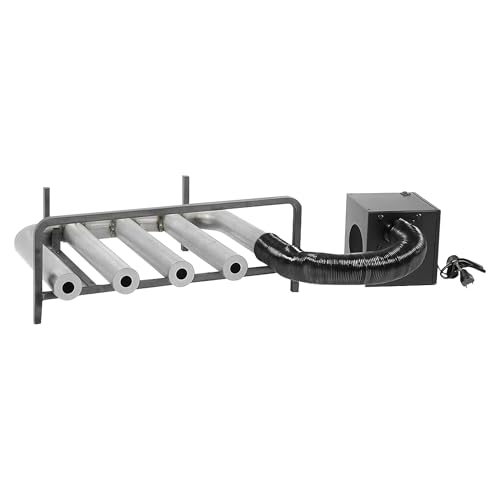
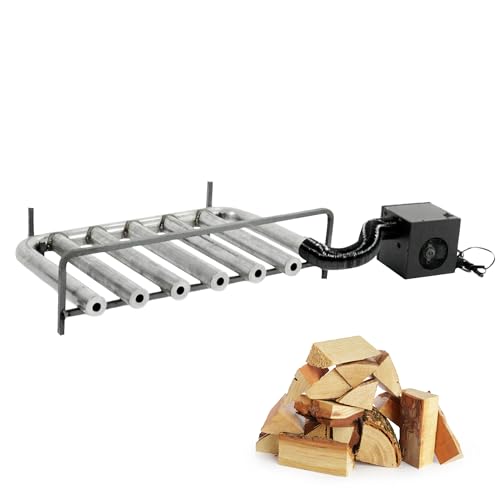
36 Inch Wood Burning Fireplace Insert with Blower
Transform your existing fireplace into a high-efficiency heating powerhouse. Learn everything you need to know about choosing, sizing, and installing a 36-inch wood burning insert with a blower.
Start Your ResearchWhy a 36-Inch Insert? A 36-inch wood burning fireplace insert with a blower is one of the most popular sizes for homeowners looking to upgrade an existing masonry or zero-clearance fireplace. It offers a generous viewing area while still fitting into standard fireplace openings. When paired with a blower, it circulates heat efficiently, turning a drafty fireplace into a reliable supplemental heat source.
What Is a 36 Inch Wood Burning Fireplace Insert?
A 36-inch wood burning fireplace insert is a self-contained firebox designed to fit into an existing fireplace opening. Unlike a traditional open hearth, an insert is sealed with glass doors and uses a dedicated flue liner to exhaust smoke. The "36-inch" measurement typically refers to the width of the insert's face or firebox, making it a mid-to-large size suitable for living rooms, family rooms, or open-concept spaces.
When you add a blower, the insert becomes a convection heater. The blower pulls cool air from the room, passes it over the hot firebox, and pushes warm air back into the space. This dramatically improves heating efficiency compared to radiant heat alone. If you are exploring different types of inserts, you may want to compare this with a wood burning insert for existing fireplaces to understand your options.
Key Benefits of a 36 Inch Wood Burning Insert with Blower
- High Heating Efficiency: Modern inserts can achieve efficiency ratings above 70%, far surpassing traditional open fireplaces. The blower ensures heat is distributed evenly, not just radiated in one direction.
- Reduced Emissions: EPA-certified inserts burn wood more completely, reducing creosote and smoke. This is better for both your chimney and the environment.
- Lower Energy Bills: By heating a specific zone of your home, you can reduce reliance on central heating. This is especially effective if you spend most of your time in one room.
- Aesthetic Appeal: A large 36-inch firebox offers a beautiful view of the flames, often with a glass door that stays cleaner than an open fire.
- Safety: Sealed combustion and glass doors prevent sparks and embers from escaping into the room. A blower also helps maintain consistent temperatures.
For a broader understanding of how inserts compare to other heating options, see our guide on electric vs gas vs wood fireplace comparison.
Will a 36 Inch Insert Fit Your Fireplace?
Before purchasing, you must measure your existing fireplace opening carefully. A 36-inch insert generally requires:
| Dimension | Typical Requirement |
|---|---|
| Front Opening Width | 34 to 38 inches |
| Front Opening Height | 24 to 30 inches |
| Firebox Depth | At least 20 inches |
| Hearth Extension | 16 to 18 inches in front |
Always consult the manufacturer's specifications for the exact model you are considering. If your opening is smaller, you may need to look at a small wood burning fireplace for small spaces. For a detailed sizing process, refer to our how to size a fireplace guide.
How the Blower Enhances Performance
A blower is not just an accessory; it is a critical component for maximizing heat distribution. Without a blower, much of the heat generated by a wood insert rises straight up the chimney or radiates slowly into the room. With a blower:
- Faster Warm-Up: The room reaches a comfortable temperature more quickly.
- Even Heat: Hot air is circulated throughout the space, reducing cold spots.
- Improved Efficiency: More heat is extracted from the wood, meaning you burn less fuel for the same comfort level.
If you already own an insert and are having issues with the blower, you might find our fireplace blower fan not working troubleshooting guide helpful. For those considering a new installation, understanding fireplace blower vs fan can clarify the differences.
Efficiency Ratings and EPA Certification
When shopping for a 36-inch wood burning insert, look for EPA certification. The EPA sets strict emissions limits for wood-burning appliances. A high-efficiency insert will have:
- Low Grams per Hour (g/h): The lower the number, the cleaner the burn. Top-tier models can achieve under 1 g/h.
- High BTU Output: While BTU ratings vary, a well-insulated home can be heated effectively with an insert producing 60,000 to 80,000 BTUs.
- Long Burn Times: A larger firebox (like a 36-inch model) can hold more wood, leading to longer burn times and fewer reloads.
To understand how BTU requirements are calculated for your space, see our fireplace heating capacity BTU guide. For those aiming for the absolute best performance, explore most efficient wood burning fireplace insert options.
Installation: What to Expect
Installing a 36-inch wood burning insert is not a simple DIY project for most homeowners. It involves:
- Chimney Liner: A stainless steel liner is almost always required to safely vent the insert. This is often the most labor-intensive part of the installation.
- Connecting the Blower: The blower needs a power source. Some models plug into a standard outlet, while others can be hardwired.
- Clearances: You must maintain proper clearances to combustible materials. This may require a hearth extension or a heat shield.
For a comprehensive overview, read our fireplace installation guide overview. If you are unsure whether to tackle it yourself, compare DIY vs professional fireplace installation. Also, consider fireplace permit requirements in your area.
Maintaining Your Wood Insert
To keep your 36-inch insert running efficiently, regular maintenance is key:
- Ash Removal: Remove ashes regularly, but leave a small bed for insulation. Follow our ash removal and disposal guide.
- Glass Cleaning: Keep the glass door clean for optimal viewing. Learn how to clean fireplace glass.
- Chimney Inspection: Have your chimney inspected annually. See our annual fireplace inspection guide.
- Blower Care: Dust and vacuum the blower vents periodically to prevent overheating.
For a full seasonal checklist, refer to our seasonal fireplace checklist. If you notice performance issues, our wood fireplace draft problem guide can help diagnose common problems.
Troubleshooting Common Insert Problems
Even the best inserts can encounter issues. Here are a few common ones and where to find solutions:
- Smoke Spillage: Often caused by a cold chimney or negative pressure. See fireplace smoke problem.
- Poor Draft: Could be a blocked liner or inadequate height. Read wood fireplace draft problem.
- Blower Noise: Some noise is normal, but excessive noise may indicate a failing motor. Check fireplace making noise.
- Creosote Buildup: Prevent with proper burning techniques. Learn about creosote buildup prevention.
Is a 36 Inch Wood Burning Insert with Blower Right for Your Home?
This size is ideal for:
- Medium to large living rooms (400–1,000 sq. ft.)
- Homes with an existing masonry fireplace that is inefficient
- Homeowners who want a primary or supplemental heat source in a specific zone
- Those who appreciate the ambiance of a real wood fire but want better efficiency
If you have a smaller space, consider a smaller insert. If you are looking to heat a larger area, you may need a larger model or a freestanding stove. To explore alternatives, see our guide on which fireplace is right for your home.
Ready to Explore Top-Rated 36 Inch Wood Burning Inserts?
Check out our recommended products below to find the perfect match for your home.
View Recommended Products