Wood Burning Fireplace Without Chimney: Complete Guide
Discover ventless wood burning options, installation requirements, safety tips, and how to choose the best no-chimney fireplace for your home.
SHOP RECOMMENDED OPTIONSKey Insight: You can enjoy the warmth and ambiance of a wood-burning fireplace without a traditional chimney. Modern ventless and vent-free wood stoves and fireplaces offer safe, efficient heating solutions for homes without existing chimneys.
Can You Have a Wood Burning Fireplace Without a Chimney?
The short answer is yes. While traditional wood-burning fireplaces require a masonry chimney to vent smoke and gases, modern innovations like ventless wood stoves, pellet stoves, and vent-free fireplaces provide alternatives. These units are designed to burn fuel cleanly and efficiently, often using direct venting through an exterior wall or a small flue pipe. Some models even use catalytic converters to reduce emissions, making them suitable for homes without a conventional chimney.
Before making a decision, it's crucial to understand the differences between vented and ventless options. This guide will walk you through everything you need to know, from heating capacity and BTU requirements to installation requirements and safety considerations.
Types of Wood Fireplaces That Don't Need a Chimney
There are several viable options for homeowners who want a wood-burning experience without a chimney. Each has its own advantages, installation requirements, and investment tiers.
1. Ventless (Vent-Free) Wood Stoves
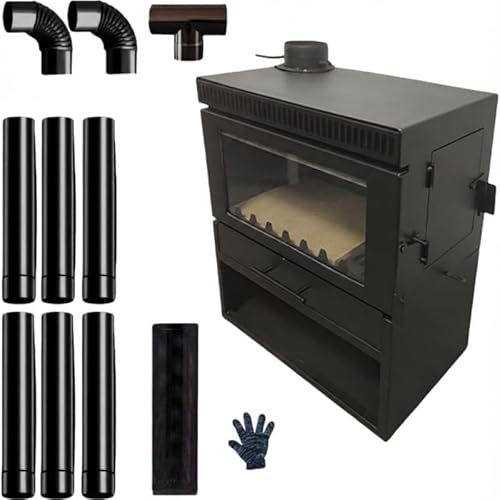
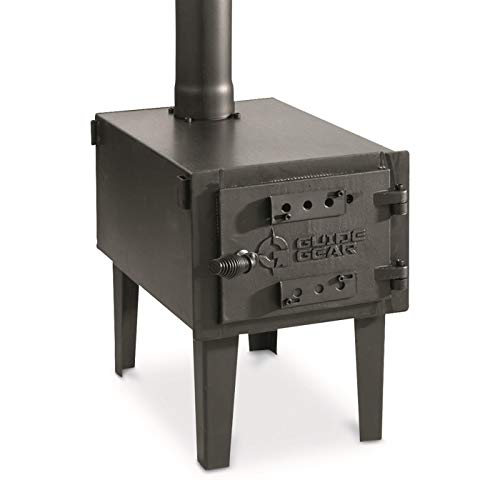
Ventless wood stoves are designed to burn wood or wood pellets with very high efficiency, producing minimal smoke. They use a catalytic combustor that ignites and burns off smoke particles, reducing emissions to near-zero. These units do not require a chimney or flue and can be installed in almost any room with proper clearance. However, they still require adequate room ventilation and a carbon monoxide detector.
2. Pellet Stoves
Pellet stoves burn compressed wood pellets and are one of the most popular no-chimney options. They typically vent through a small pipe that can be routed horizontally through an exterior wall, eliminating the need for a vertical chimney. Pellet stoves are highly efficient, easy to operate with a thermostat or remote control, and produce very little ash. They are an excellent choice for high-efficiency heating in homes without chimneys.
3. Direct-Vent Wood Stoves
Direct-vent stoves use a sealed combustion system that draws air from outside and vents exhaust directly outside through a wall-mounted pipe. While they do require a vent pipe, they do not need a chimney. These stoves are safer and more efficient than traditional open fireplaces because they don't draw warm air from your home.
4. Ethanol Fireplaces (Wood-Like Alternative)
While not wood-burning, ethanol fireplaces offer a realistic flame experience without any venting or chimney. They burn clean-burning bioethanol fuel and are 100% ventless. If you're looking for the ambiance of a wood fire without the hassle of wood, this is a great alternative.
Comparison: No-Chimney Wood Fireplace Options
| Type | Installation | Venting Required | Efficiency | Investment Tier |
|---|---|---|---|---|
| Ventless Wood Stove | Freestanding or wall-mounted | No chimney; room ventilation only | 85-90% | Entry-Level to Mid-Range |
| Pellet Stove | Freestanding or insert | Small horizontal wall vent | 80-85% | Entry-Level to Mid-Range |
| Direct-Vent Wood Stove | Freestanding or wall-mounted | Horizontal or vertical pipe | 70-80% | Mid-Range to Premium |
| Ethanol Fireplace | Freestanding, wall-mounted, or tabletop | No venting required | N/A (ambiance only) | Entry-Level |
* Tiers are relative market positioning for the unit only. Installation tiers vary.
Pros and Cons of Wood Fireplaces Without Chimneys
✅ Advantages
- No chimney required – avoids construction requirements and permits.
- High efficiency – modern units burn cleanly with minimal heat loss.
- Flexible placement – can be installed in any room with proper clearance.
- Lower installation tier – compared to building a masonry chimney.
- Eco-friendly options – pellet stoves and catalytic stoves reduce emissions.
❌ Disadvantages
- Need for fuel storage – wood pellets or logs require storage space.
- Requires ventilation – even ventless units need room airflow.
- Safety concerns – carbon monoxide detectors are essential.
- Limited heat output – may not heat large open-concept spaces as effectively.
- Local regulations – some areas restrict ventless wood burning.
Installation Guide: Wood Fireplace Without Chimney
Installing a no-chimney wood fireplace requires careful planning and adherence to local building codes. Here's a step-by-step overview:
- Choose the Right Unit: Select a ventless, pellet, or direct-vent stove based on your heating needs, space, and budget tier. Consider small-space options if you have a compact room.
- Determine Location: Place the unit on a non-combustible surface (hearth pad) and maintain clearances from walls and furniture as per the manufacturer's guidelines.
- Venting (if required): For pellet and direct-vent stoves, install the vent pipe through an exterior wall. This typically involves cutting a hole, installing a wall thimble, and sealing the exterior.
- Connect Fuel Supply: For pellet stoves, connect the hopper to the fuel supply. For wood stoves, ensure proper air intake and exhaust connections.
- Electrical Connection: Most pellet stoves require a standard 120V outlet for the auger, fan, and controls.
- Test and Inspect: After installation, test the unit for proper operation and check for any gas or smoke leaks. Schedule a professional inspection if required by local codes.
For a detailed fireplace installation guide, including permits and requirements, visit our dedicated page.
Safety and Maintenance Tips
Wood fireplaces without chimneys are generally safe when installed and operated correctly. However, they require attention to safety and regular maintenance.
- Install CO detectors: Place carbon monoxide detectors on every floor of your home, especially near the fireplace.
- Maintain clearance: Keep flammable materials (furniture, curtains, rugs) at least 36 inches away from the unit.
- Use seasoned wood: Only burn dry, seasoned wood to minimize creosote buildup and smoke.
- Clean regularly: Empty ash pans, clean glass doors, and inspect vent pipes for blockages.
- Annual inspection: Have your system inspected by a professional annually to ensure safe operation.
Learn more about fireplace maintenance and fireplace screens and safety accessories to protect your home.
Investment Tier for a Wood Fireplace Without a Chimney
The overall investment tier depends on the type of unit, installation complexity, and your location. Here's a breakdown:
- Ventless Wood Stove: Unit in the Entry-Level to Mid-Range tier, plus installation in the Entry-Level to Mid-Range tier.
- Pellet Stove: Unit in the Entry-Level to Mid-Range tier, with installation costs in the Entry-Level to Mid-Range tier.
- Direct-Vent Wood Stove: Unit in the Mid-Range to Premium tier, with installation often included in the overall tier.
- Ethanol Fireplace: Unit in the Entry-Level tier, with minimal to no installation requirements.
For a more detailed look at fireplace investment tiers and long-term value, check out our comprehensive guide.
Best Use Cases for No-Chimney Wood Fireplaces
These fireplaces are ideal for:
- Apartments and condos – where chimney installation is not possible.
- Room additions – adding warmth to a new room without extending the chimney.
- Small homes or cabins – where space and budget tiers are limited.
- Homes with existing fireplaces – converting to a more efficient insert.
If you're considering a wood burning fireplace for outdoor spaces, there are also chimney-free options for patios and decks.
FAQ: Wood Burning Fireplace Without Chimney
Is it legal to have a wood burning fireplace without a chimney?
Yes, but it depends on local building codes and regulations. Many areas allow ventless or pellet stoves, but some restrict them in certain zones. Always check with your local building department before purchasing.
Do ventless wood stoves produce smoke?
Ventless wood stoves produce very little smoke due to catalytic combustion. However, they do release some water vapor and CO2, so proper ventilation is still required.
Can I install a wood stove without a chimney myself?
While some DIY enthusiasts can install pellet or direct-vent stoves, it's recommended to hire a professional to ensure safety and compliance with local codes.
What is the best fuel for a no-chimney wood fireplace?
Wood pellets are the most efficient and clean-burning option. For ventless stoves, use only seasoned hardwoods like oak or maple to minimize smoke.
For more questions, visit our complete fireplace FAQ.
Final Recommendation: A wood burning fireplace without a chimney is a practical, budget-friendly way to add warmth and charm to your home. Whether you choose a ventless stove, a pellet stove, or a direct-vent model, focus on safety, efficiency, and proper installation. Explore the products below to find the best option for your needs.