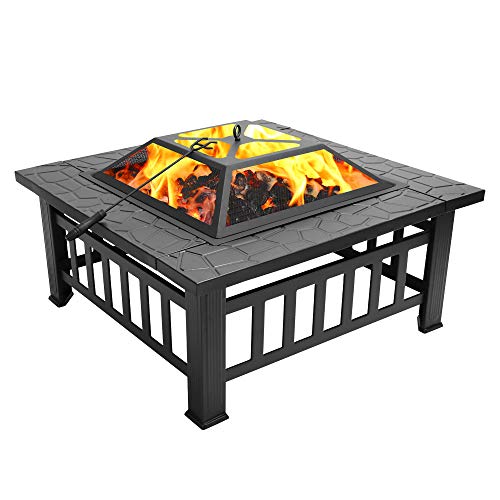
Outdoor Wood Burning Fireplace Inserts: The Complete Guide
Transform your patio or backyard into a cozy, year-round retreat. Learn how to choose, install, and maintain the perfect outdoor wood burning fireplace insert for your home.
Why Choose an Outdoor Wood Burning Fireplace Insert?
An outdoor wood burning fireplace insert is a specialized heating unit designed to be installed into an existing masonry or prefabricated outdoor fireplace structure. Unlike a traditional open fireplace, an insert is a closed-combustion system that dramatically improves efficiency, safety, and heat output. For homeowners who love the authentic crackle and aroma of a real wood fire, an insert is the logical evolution of the classic outdoor hearth.
These inserts are engineered to handle the unique challenges of outdoor environments, including wind, moisture, and temperature fluctuations. They are typically constructed from heavy-gauge steel or cast iron and lined with firebrick or refractory panels to withstand high temperatures. Many modern models feature advanced combustion technologies that reduce smoke and increase heat transfer, making them a smart choice for anyone serious about outdoor living.
If you are still exploring your options, our guide to types of fireplaces provides a broader overview. For those specifically interested in the heating potential of wood, our article on high-efficiency wood burning fireplaces is an excellent resource.
How Outdoor Wood Burning Inserts Work
An outdoor wood burning insert functions by containing the fire within a sealed firebox. Air is drawn in through a controlled intake, often pre-heated to improve combustion. The fire burns at a high temperature, and the resulting hot gases are directed through a baffle system that extracts heat before the exhaust exits through a chimney or flue. This design is far more efficient than an open fire, where most heat escapes upward.
Key components of a quality insert include:
- Firebox: The primary combustion chamber, usually lined with firebrick.
- Baffle: A plate that forces hot gases to linger, improving heat transfer.
- Air Control: A damper or lever that regulates the burn rate.
- Blower: An optional fan that circulates heated air into the surrounding area. For more on this, see our guide to fireplace blower fans.
- Glass Door: Provides a view of the fire while keeping sparks and smoke contained.
Pros and Cons of Outdoor Wood Burning Inserts
Before you invest, it's important to weigh the advantages against the drawbacks. Here is a balanced look at what these inserts offer.
Advantages
- Superior heating efficiency compared to open fires.
- Reduced smoke and creosote production.
- Authentic wood fire ambiance and aroma.
- Can be used with existing fireplace structures.
- Extended outdoor living season into cooler months.
Disadvantages
- Requires a steady supply of seasoned firewood.
- Installation can be complex and may need professional help.
- Regular cleaning and maintenance are essential.
- Not suitable for areas with strict burn bans.
- Higher upfront investment than a simple fire pit.
Key Factors to Consider Before Buying
Choosing the right outdoor wood burning fireplace insert involves several considerations. Here’s what to keep in mind.
1. Size and Placement
The insert must fit the dimensions of your existing fireplace opening. Measure the width, height, and depth carefully. If you are building a new outdoor fireplace, you have more flexibility. For those working with a prefabricated unit, you may need a wood stove insert for prefab fireplace that is specifically designed for that application.
2. Materials and Build Quality
Look for inserts made from heavy-duty steel or cast iron. The firebox should be lined with firebrick or a similar refractory material. Stainless steel components are ideal for outdoor use due to their corrosion resistance. Our article on cast iron fireplace inserts with blowers explores the durability of cast iron in more detail.
3. Efficiency and Heat Output
Efficiency is rated by how well the insert converts wood into heat. Modern high-efficiency models can reach 70% or higher. Heat output is measured in BTUs; a larger outdoor area will require a higher BTU rating. Our fireplace heating capacity BTU guide can help you determine your needs.
4. Venting Requirements
Proper venting is critical for safety and performance. Most inserts require a dedicated chimney or flue that meets local building codes. The height and diameter of the flue affect draft. If you are unsure whether you need a full chimney, our article on whether you need a chimney or vent provides clarity.
5. Safety Features
Look for features like spark screens, glass doors, and cool-touch handles. A fireplace ember safety guide is a good companion read. Also, ensure the insert is listed by a recognized testing agency like UL or Intertek.
6. Maintenance and Cleaning
Wood burning inserts require regular maintenance, including ash removal, chimney cleaning, and inspection of gaskets and firebrick. Our wood fireplace maintenance article offers a comprehensive routine. For outdoor units, you'll also need to protect against moisture during the off-season, as discussed in our outdoor fireplace maintenance guide.
Understanding Quality Tiers
Outdoor wood burning inserts are available across a range of quality tiers. While we do not list prices, understanding these tiers can help you set expectations and make a more informed decision. The following table outlines what you can typically expect at each level.
| Tier | Construction | Efficiency & Features | Best For |
|---|---|---|---|
| Entry-Level | Basic steel firebox, minimal refractory lining | Standard air control, no blower, lower efficiency | Occasional use, mild climates, budget-conscious buyers |
| Mid-Range | Heavy-gauge steel, full firebrick lining | Improved baffle system, optional blower, moderate efficiency | Regular use, colder climates, homeowners seeking balance |
| Premium | Cast iron or thick steel, high-quality refractory | Advanced secondary combustion, included blower, high efficiency | Frequent use, demanding environments, maximum heat output |
| Luxury | Precision-cast iron, premium materials throughout | Catalytic or hybrid combustion, smart controls, ultra-low emissions | Discerning buyers, extended seasons, eco-conscious use |
As a general rule, mid-range and premium models offer smoother air control mechanisms and better long-term durability than entry-level units. Luxury models often incorporate the latest in clean-burn technology. For a deeper dive into efficiency, see our article on the most energy-efficient fireplace types.
Installation: What to Expect
Installing an outdoor wood burning insert is not a simple DIY task for most homeowners. It typically involves modifying the existing fireplace opening, running a flue liner or chimney, and ensuring proper clearances to combustibles. Professional installation is highly recommended for safety and to comply with local codes.
If you are considering a DIY approach, our article on DIY vs professional fireplace installation outlines the risks and rewards. For those replacing an existing unit, the process may be less invasive. Our guide on installing a wood burning stove in a fireplace shares principles that apply to inserts as well. Always check permit requirements; our article on fireplace permit requirements can help.
Safety and Maintenance Essentials
Outdoor wood burning inserts are generally safe when installed and used correctly. However, they do produce carbon monoxide and other combustion byproducts. Never burn treated or painted wood, and always ensure proper ventilation. Our article on carbon monoxide signs from fireplaces is a must-read for any wood-burning household.
Regular maintenance extends the life of your insert and keeps it operating efficiently. This includes:
- Removing ash regularly and disposing of it safely (see our ash removal and disposal guide).
- Inspecting and cleaning the chimney annually (see chimney cleaning guide).
- Checking door gaskets and glass for wear.
- Cleaning the glass to maintain visibility (see how to clean fireplace glass).
- Repainting or touching up any rust spots on the exterior.
For a seasonal approach, our seasonal fireplace maintenance checklist and winter fireplace preparation guide are invaluable.
Common Troubleshooting
Even the best inserts can encounter issues. Here are a few common problems and where to find solutions:
- Smoke entering the area: Often a draft issue. See our wood fireplace draft problem guide.
- Excessive smoke: Could be wet wood or poor combustion. Learn more at too much smoke from wood fireplace.
- Creosote buildup: A serious concern. Prevention tips are in our creosote buildup prevention article.
- Blower not working: Check our fireplace blower fan not working troubleshooting guide.
For a full list of issues, visit our fireplace troubleshooting hub.
Frequently Asked Questions
For more general questions, explore our fireplace FAQ section.
Final Thoughts
An outdoor wood burning fireplace insert is a significant investment in your home's outdoor living space. It offers the unmatched ambiance of a real wood fire, combined with the efficiency and safety of modern engineering. By carefully considering your needs, understanding the different tiers of quality, and committing to proper installation and maintenance, you can enjoy your outdoor fireplace for many years to come.
We encourage you to explore our recommended products below and take the next step toward creating your perfect outdoor retreat. If you are still in the planning stages, our fireplace buying guide is a great place to start.