Wood Burning Fireplace Insert with Gas Starter
Combine the authentic charm of a wood fire with the convenience of a gas ignition system. Learn everything you need to know before choosing your insert.
EXPLORE RECOMMENDATIONSWhy Choose a Gas Starter? A wood burning fireplace insert with a gas starter gives you the best of both worlds: the crackling ambiance of real wood and the push-button ease of a gas ignition. No more struggling with kindling or dampers — just a reliable, clean start every time.
What Is a Wood Burning Fireplace Insert with Gas Starter?
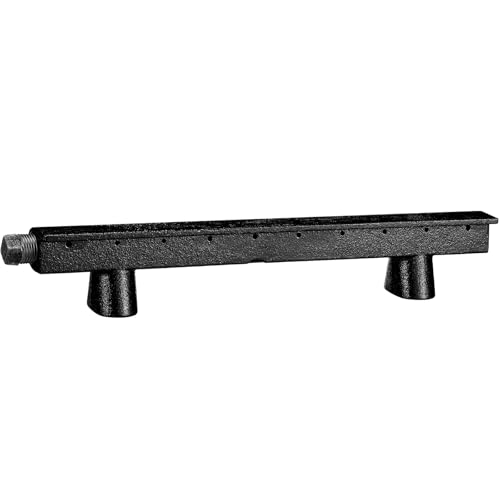
A wood burning fireplace insert is a self-contained unit designed to fit into an existing masonry or factory-built fireplace. It dramatically improves heating efficiency by sealing off the open hearth and directing heat into the room rather than up the chimney. When paired with a gas starter, the insert includes a small gas burner — typically a pipe or log lighter — that ignites the wood quickly and cleanly.
This combination is particularly popular among homeowners who want the ritual of a real wood fire without the hassle of traditional fire-starting. The gas starter eliminates the need for paper, kindling, and repeated matches. Once the wood is burning steadily, you can turn off the gas and enjoy the fire as usual. For a broader understanding of how inserts compare to other fireplace types, see our guide on types of fireplaces.
How Does a Gas Starter Work?
The gas starter system is simple yet effective. A small gas line runs into the firebox, ending in a burner tube or log lighter positioned beneath the grate. When you're ready to build a fire, you place your logs, turn on the gas supply (usually via a key valve or wall switch), and light the burner. The flame ignites the wood from below, establishing a fire in minutes. Once the wood is burning on its own, you shut off the gas.
This system is especially useful for damp wood or cold chimneys, where traditional fire-starting can be frustrating. It also reduces smoke during the initial burn phase, which is a common issue addressed in our article on fireplace smoke problems.
Key Benefits of a Wood Insert with Gas Starter
Effortless Ignition
Start a fire in seconds with a simple gas flame. No more crumpled paper or endless matches.
Improved Efficiency
Inserts are designed to burn wood more completely, producing more heat and less waste. Learn more about energy-efficient fireplace types.
Cleaner Burn
Gas ignition reduces smoke and particulate emissions during startup, contributing to a cleaner indoor environment.
Authentic Ambiance
Enjoy the sight, sound, and smell of a real wood fire without the usual frustrations.
Convenience
Ideal for busy households or anyone who wants a fire without the prep work. Perfect for everyday use.
Increased Home Value
A high-quality insert can be an attractive feature for potential buyers. See how a fireplace adds value.
Efficiency and Heating Capacity
Wood burning inserts are significantly more efficient than traditional open fireplaces. While an open hearth may lose up to 90% of its heat up the chimney, a modern insert can achieve efficiency ratings of 60% to 80% or higher, depending on the model. This means more warmth for your home and less wood consumed.
Heating capacity varies by unit size and insulation. Smaller inserts may heat a single room, while larger models can supplement central heating for an entire floor. To determine the right size for your space, use our BTU guide or fireplace sizing worksheet. Proper sizing is crucial — an oversized insert may burn inefficiently, while an undersized one won't keep you warm.
For those concerned about long-term costs, understanding the most energy-efficient fireplace types can help you make a smart investment. Additionally, maintaining your insert regularly — as outlined in our wood fireplace maintenance guide — ensures peak performance year after year.
Installation Considerations
Installing a wood burning insert with gas starter is not a DIY project for most homeowners. It requires proper venting, clearances, and a gas line connection. Here are key factors to consider:
- Chimney Liner: A stainless steel liner is almost always required to safely vent the insert. This ensures proper draft and protects your chimney from creosote. See our article on stainless steel chimney liners for details.
- Gas Line: A licensed professional must install the gas line and ensure it meets local codes. If you don't have an existing gas line, the cost may be higher. Refer to our gas fireplace installation requirements for general guidance.
- Clearances: Inserts require specific clearances from combustibles. Always follow the manufacturer's instructions and local building codes.
- Professional Help: While some aspects may seem straightforward, hiring a certified installer is strongly recommended. Our article on DIY vs professional installation explains why.
If you're replacing an old fireplace, you might also want to read about installing a fireplace insert into an existing fireplace and installation cost considerations.
Maintenance Tips for Longevity
To keep your wood burning insert with gas starter running safely and efficiently, regular maintenance is essential:
- Annual Inspection: Have a professional inspect the unit, chimney, and gas connections each year. See our annual fireplace inspection guide.
- Clean the Glass: Sooty glass reduces visibility and ambiance. Learn how to clean fireplace glass safely.
- Ash Removal: Regular ash removal prevents buildup and improves airflow. Follow our ash removal and disposal guide.
- Chimney Cleaning: Creosote buildup is a fire hazard. Schedule cleaning as needed, especially if you burn wood frequently. See chimney cleaning guide.
- Gas Starter Check: Ensure the gas burner is clean and free of debris. If you notice any issues, such as a weak flame or difficulty lighting, consult a professional. For related troubleshooting, see gas fireplace weak flame.
For a comprehensive schedule, refer to our fireplace maintenance schedule.
Common Issues and Troubleshooting
Even with proper maintenance, you may encounter occasional problems. Here are a few common issues and where to find solutions:
- Smoke in the Room: Often caused by a cold chimney or negative pressure. See fireplace smoke problem and how to stop downdraft.
- Poor Draft: Could be a blocked liner or insufficient chimney height. Check wood fireplace draft problem.
- Gas Starter Won't Light: Ensure gas supply is on and the burner is clean. If issues persist, see gas fireplace won't light.
- Excessive Smoke from Wood: May indicate wet wood or poor burning practices. Read too much smoke from wood fireplace.
- Creosote Buildup: A serious concern. Learn creosote buildup prevention.
For more general troubleshooting, visit our fireplace troubleshooting hub.
Comparing Wood Inserts with Other Options
If you're still deciding between a wood insert and other fireplace types, consider these comparisons:
- Electric vs Gas vs Wood Fireplace Comparison — Understand the pros and cons of each fuel type.
- Wood Burning Stove That Looks Like a Fireplace — For a freestanding alternative.
- Wood Burning Fireplace Insert with Blower for Sale — Learn about blower options for enhanced heat distribution.
- Best Wood Burning Fireplace Insert with Blower — Our top picks for models with blowers.
- High-Efficiency Wood Burning Fireplace Insert — Focus on maximum efficiency.
- Wood Burning Fireplace Inserts with Large Viewing Area — For those who prioritize the view.
If you're considering a gas insert instead, see gas fireplace insert for wood burning fireplace or replacing a wood burning fireplace with a gas insert.
Frequently Asked Questions
Can I install a wood burning insert with gas starter myself?
While some homeowners may be tempted, installation involves gas lines, venting, and strict clearances. It's best left to certified professionals. See is a fireplace DIY-friendly?
How much does a wood burning insert with gas starter cost?
Costs vary widely based on size, efficiency, and features. We avoid specific figures because they change over time. Instead, focus on value tiers: entry-level models offer basic functionality, mid-range units provide better efficiency and blowers, and premium models feature advanced combustion systems and larger viewing areas. For a breakdown of typical cost factors, see our fireplace cost breakdown.
Do I need a chimney liner?
Yes, almost always. A stainless steel liner is required for safe venting and optimal performance. Learn more about stainless steel chimney liners.
Can I burn wood and use the gas starter at the same time?
The gas starter is designed for ignition only. Once the wood is burning, turn off the gas. Continuous use of the gas starter with wood is not recommended.
How often should I clean my insert?
Clean the glass as needed, remove ash regularly, and have the chimney inspected annually. See our maintenance schedule.
Is a wood insert with gas starter safe?
Yes, when installed and maintained properly. Always follow manufacturer guidelines and local codes. For safety tips, see carbon monoxide signs and ember safety.
Ready to Choose Your Wood Burning Insert with Gas Starter?
A wood burning fireplace insert with gas starter offers an unbeatable combination of tradition and convenience. By understanding how they work, their benefits, and maintenance needs, you can make an informed decision that brings warmth and ambiance to your home for years to come.
Explore our recommended products below to find the perfect model for your space. And for more in-depth guidance, visit our fireplace buying guide.