Wood Burning Fireplace Doors with Blower: The Complete Guide
Discover how combining glass doors with a blower transforms your wood burning fireplace into a more efficient, cleaner, and safer heating source for your home.
View Recommended ModelsWhy this combination matters: A wood burning fireplace is charming, but without the right accessories, much of its heat escapes up the chimney. Adding glass doors with a blower creates a sealed system that captures heat, circulates it into your room, and dramatically improves efficiency. This guide explains everything you need to know before choosing the right setup for your home.
What Are Wood Burning Fireplace Doors with Blower?
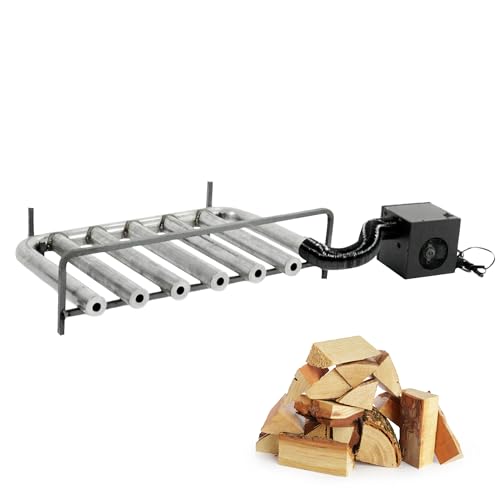
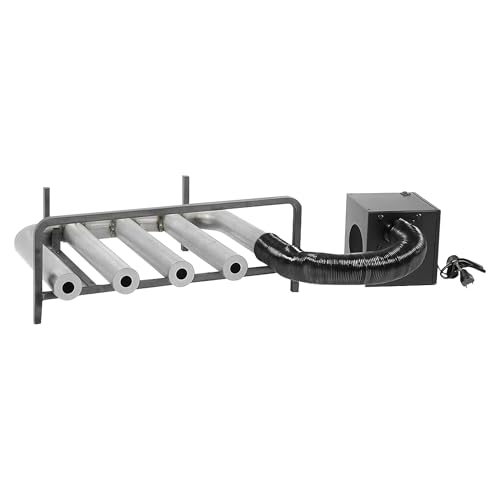
Wood burning fireplace doors with blower are a combined accessory system designed to improve how a traditional open fireplace operates. The glass doors form a barrier between the firebox and your living space, while the blower is a fan unit that pulls cool air from the room, passes it around the heated firebox, and pushes warm air back into the room.
This combination addresses two of the biggest weaknesses of a traditional open fireplace: uncontrolled air loss and poor heat distribution. When used correctly, this system can significantly reduce the amount of heated indoor air that escapes up the chimney and help distribute warmth more evenly across the room.
For homeowners exploring broader fireplace upgrades, understanding how these doors fit into the overall system is essential. If you are still evaluating your options, our fireplace buying guide provides a helpful foundation, and our beginner guide explains the fundamentals of how fireplaces work.
Key Benefits of Adding Doors and a Blower
Improved Heating Efficiency
The blower circulates heated air that would otherwise be lost, helping your fireplace contribute more effectively to room warmth.
Better Safety
Glass doors create a barrier that reduces the risk of sparks and embers escaping into the room, an important consideration for households with children or pets.
Cleaner Burning
Doors help control airflow to the fire, which can lead to more complete combustion and less smoke entering the room.
Reduced Drafts
When the fireplace is not in use, closed doors prevent warm indoor air from escaping up the chimney and cold air from entering.
Extended Fireplace Lifespan
By reducing excessive heat loss and improving combustion control, doors and blowers can help reduce wear on the firebox over time.
Enhanced Aesthetics
Modern glass doors add a finished, polished look to your fireplace while still allowing you to enjoy the view of the fire.
How the Blower Works with Your Fireplace
A fireplace blower is essentially a heat-powered fan system. It draws cooler air from floor level, passes it through a heat exchanger or around the firebox where it absorbs warmth, and then releases it back into the room at a higher temperature. The result is a more consistent distribution of heat rather than a single concentrated point of warmth.
Many modern blower units include adjustable speed settings and thermostatic controls, allowing the fan to activate automatically once the fireplace reaches a certain temperature. This smart operation helps prevent the blower from circulating cool air before the fire is fully established.
If you want to understand the difference between a blower and a standard fan, our guide on blower vs fan explains the distinctions clearly. For installation details, see our blower installation guide.
Types of Doors and Materials
Wood burning fireplace doors come in several configurations and materials. The right choice depends on your firebox dimensions, your aesthetic preferences, and your heating goals.
Door Styles
- Bi-fold doors: Two panels that fold outward, offering a wide opening for loading wood and a clear view of the fire when open.
- Cabinet-style doors: Panels that open outward like cabinet doors, providing a traditional look and easy access.
- Single-panel doors: A single large glass panel that offers an unobstructed view and a modern appearance.
- Trackless bi-fold doors: A variation that eliminates the bottom track for a cleaner hearth surface and easier cleaning.
Frame Materials
- Steel: Durable, affordable, and available in various finishes. Common in entry-level and mid-range models.
- Cast iron: Heavy, heat-retentive, and traditional in appearance. Often found in premium and luxury tiers.
- Brass and antique finishes: Decorative options that add warmth and character to traditional interiors.
- Aluminum: Lightweight and rust-resistant, suitable for certain applications but less common for high-heat wood burning use.
Glass Options
- Tempered glass: Standard safety glass that withstands heat and resists breakage.
- Ceramic glass: Higher heat resistance and better clarity at high temperatures, often used in premium doors.
- Pyroceram or NeoCeram: Advanced glass-ceramic materials designed for extreme heat and long-term durability.
Comparing Door and Blower Options by Tier
The following table outlines the general characteristics you can expect at different quality tiers. These descriptors reflect relative market positioning rather than specific pricing, and are designed to remain relevant over time.
| Feature | Entry-Level | Mid-Range | Premium | Luxury |
|---|---|---|---|---|
| Frame Material | Basic steel | Steel with decorative finish | Cast iron or heavy steel | Cast iron with custom finish |
| Glass Type | Tempered glass | Ceramic glass | High-clarity ceramic glass | Premium glass-ceramic |
| Blower Speed | Single speed | Multi-speed | Variable speed with thermostat | Variable speed with smart controls |
| Noise Level | Moderate | Quiet operation | Very quiet | Ultra-quiet |
| Installation | DIY-friendly | DIY or professional | Professional recommended | Professional installation |
| Durability | Standard | Good | Excellent | Exceptional |
| Best For | Occasional use | Regular use | Frequent use | Primary heat source |
Tier descriptors help you compare products without relying on fluctuating market figures. A mid-range model typically offers smoother blower operation and better glass clarity than an entry-level unit, while premium and luxury tiers focus on durability, quieter operation, and advanced controls.
Pros and Cons of Doors with Blower
Advantages
- Significantly improves heat distribution
- Reduces heat loss up the chimney
- Enhances safety by containing sparks
- Can reduce wood consumption
- Adds a finished, polished look
- Helps control draft and smoke
- Extends the usable life of your fireplace
Considerations
- Requires electricity for blower operation
- Some blowers produce noticeable noise
- Doors need regular cleaning to maintain clarity
- Improper use can affect draft and combustion
- Installation must match firebox dimensions precisely
- Blower components may require periodic replacement
Understanding these trade-offs helps you set realistic expectations. For example, if your fireplace is primarily decorative, a simple door set without a blower may be sufficient. But if you rely on your fireplace for supplemental heat, the blower becomes a valuable addition.
Sizing and Compatibility
Before purchasing doors with a blower, you need to know your fireplace opening dimensions. Measure the width and height of the front opening, as well as the depth of the firebox. Most door manufacturers provide sizing charts that match standard opening sizes.
Compatibility also depends on your fireplace type. Masonry fireplaces and prefabricated fireplaces may require different mounting approaches. If you have a prefabricated unit, look for doors specifically designed for that application, such as replacement doors for prefabricated fireplaces.
For a broader understanding of how fireplace sizing affects performance, see our guide on how to size a fireplace and our sizing worksheet.
Installation Overview
Installing doors with a blower is a project that many homeowners can complete themselves, though professional installation is recommended for complex setups or if you are unsure about electrical connections.
- Measure your fireplace opening carefully, including width, height, and any irregularities in the masonry or frame.
- Choose the correct door size based on the manufacturer's sizing chart for your opening dimensions.
- Mount the door frame using the provided brackets or clips, ensuring a snug fit against the fireplace face.
- Install the blower unit according to the manufacturer's instructions, typically near the bottom of the firebox or in a designated compartment.
- Connect the power supply if required, following local electrical codes and using a grounded outlet or hardwired connection.
- Test the blower operation and verify that doors open and close smoothly without interfering with the fire.
- Seal any gaps with high-temperature sealant if recommended by the manufacturer to prevent air leaks.
For more detailed installation guidance, refer to our installation guide overview and our article on DIY vs professional installation.
Maintenance Tips
To keep your doors and blower operating efficiently, regular maintenance is essential. Here are key practices:
- Clean the glass regularly using a fireplace glass cleaner to remove soot and creosote buildup.
- Inspect the blower for dust accumulation and clean the fan blades periodically to maintain airflow.
- Check door gaskets and seals for wear and replace them as needed to maintain a tight seal.
- Lubricate hinges and latches with high-temperature lubricant to ensure smooth operation.
- Schedule annual inspections of the entire fireplace system, including the chimney and firebox.
For a complete maintenance routine, see our wood fireplace maintenance guide and our maintenance schedule. If you notice unusual blower behavior, our blower fan troubleshooting guide can help you diagnose common issues.
Common Issues and Solutions
Even well-installed systems can develop minor issues over time. Here are some common problems and their typical solutions:
- Blower not turning on: Check the power supply, thermostat settings, and any inline fuses. If the blower has a thermal switch, it may not activate until the fireplace reaches a certain temperature.
- Reduced airflow: Clean the blower fan blades and check for obstructions in the air path.
- Excessive noise: Tighten mounting screws, clean the fan, and check for debris or worn bearings.
- Smoke entering the room: Ensure doors are not closed too tightly before the fire is established, and verify that the damper is fully open.
- Glass cracking: Avoid closing doors on a hot fire too quickly, and ensure the glass is rated for the temperatures your fireplace produces.
For more solutions, explore our fireplace troubleshooting hub and our guide on fireplace smoke problems.
Choosing the Right Setup for Your Home
The right doors and blower combination depends on several factors:
- Your heating goals: If you want supplemental heat, prioritize a blower with variable speed and thermostat control.
- Your firebox size: Ensure doors are sized correctly for your specific opening.
- Your aesthetic preferences: Choose frame materials and finishes that complement your interior design.
- Your budget tier: Entry-level options work well for occasional use, while premium and luxury tiers offer better durability and quieter operation.
- Your installation capabilities: Some models are more DIY-friendly than others.
If you are considering a larger upgrade, such as replacing your existing fireplace with a more efficient insert, our guide on best wood burning fireplace insert with blower can help you evaluate that option. You may also find our comparison of wood burning fireplace insert glass doors useful.
Related Accessories to Consider
Doors and blowers are often part of a broader set of fireplace accessories. Depending on your setup, you may also want to explore:
- Fireplace screens for additional spark protection when doors are open.
- Fireplace grates to improve airflow around the fire.
- Fireplace gloves for safe handling of logs and tools.
- Inflatable draft stoppers for use when the fireplace is not in operation.
- Blower fan guide to understand how blowers complement your heating system.
Frequently Asked Questions
Final Thoughts
Wood burning fireplace doors with a blower are one of the most practical upgrades you can make to a traditional fireplace. They improve efficiency, enhance safety, and help you get more enjoyment from your fire. By understanding the types, materials, and installation requirements, you can choose a system that fits your home and your heating needs.
Before you buy, take the time to measure your fireplace accurately, consider your heating goals, and select a tier that matches your expected usage. With the right setup, your wood burning fireplace can become a more effective and beautiful feature in your home.
Ready to Upgrade Your Fireplace?
Explore our recommended wood burning fireplace doors with blower and find the right fit for your home.
View Recommended Products