Wood Burning Fireplace Insert Glass Doors: The Complete Guide
Discover how glass doors transform your wood burning insert — improving efficiency, safety, and aesthetics. Learn what to look for, how to choose, and why they matter for every wood-burning homeowner.
Why glass doors matter: A wood burning fireplace insert is already a huge upgrade over a traditional open hearth. Adding the right glass doors takes it further — controlling airflow, reducing heat loss, and keeping your living space cleaner. This guide walks you through everything you need to make a confident decision.
What Are Wood Burning Fireplace Insert Glass Doors?
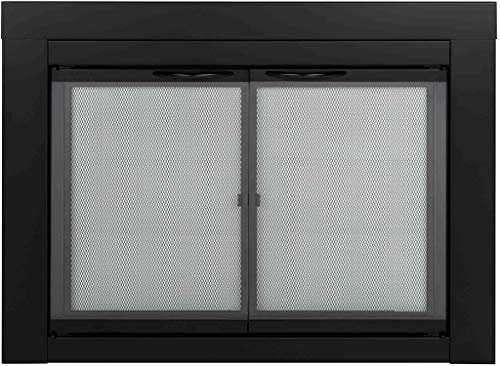
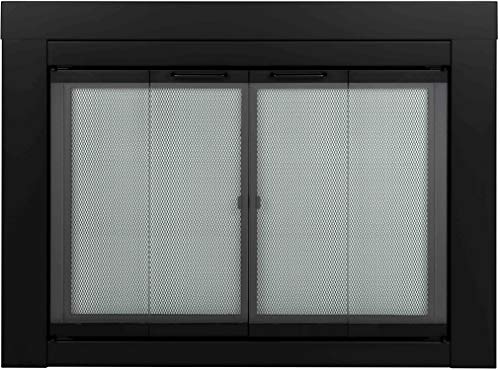
Wood burning fireplace insert glass doors are specifically designed panels that attach to the front of a wood insert. Unlike open fireplaces, inserts are closed combustion systems — and glass doors are the interface between you and the fire. They serve as a barrier that controls air intake while letting you enjoy the flames safely.
These doors are typically made from tempered or ceramic glass, framed in steel or cast iron, and feature gaskets that create an airtight seal. When closed, they regulate the burn rate and prevent room air from escaping up the chimney. When open, they allow you to load wood and tend the fire. Many models include adjustable air vents or primary air controls built into the door frame.
If you are still exploring the broader category, our fireplace doors guide covers all types, while wood burning fireplace replacement doors focuses on replacement options for existing setups. For a deeper look at how inserts work, see wood burning fireplace inserts with large viewing area.
Key Benefits of Glass Doors on a Wood Insert
🔥 Improved Efficiency
Glass doors with gaskets create a controlled burn environment. Less heated room air escapes, and the insert burns wood more completely — meaning you get more heat from every log.
🛡️ Enhanced Safety
Spark screens and tempered glass keep embers and flames contained. This is especially important in homes with children or pets. See our ember safety guide for more tips.
🧹 Cleaner Living Space
Doors reduce smoke spillage and ash dust. Your room stays cleaner, and the glass stays clearer when you follow proper burning practices — check how to clean fireplace glass.
🎨 Aesthetic Appeal
Modern glass doors come in various finishes — from black matte to antique brass. They frame the fire beautifully and complement any décor, from rustic to contemporary.
💨 Better Air Control
Many doors include adjustable air vents. You can fine-tune the burn rate, extending burn time overnight and reducing wood consumption. Learn more in our wood fireplace maintenance guide.
🔧 Protection for Your Insert
Doors shield the firebox from excessive heat swings and debris. This can extend the life of your insert and reduce the frequency of refractory panel replacement.
Types of Glass Doors for Wood Inserts
Not all glass doors are the same. The right choice depends on your insert model, your heating goals, and your style preferences. Here are the main categories:
1. Bi-Fold vs. Single-Panel vs. Double-Door
Bi-fold doors fold open like accordion panels — great for wider openings. Single-panel doors swing open from one side, ideal for smaller inserts. Double doors open from the center, giving a symmetrical look and easy access. Each style affects how you load wood and how much viewing area you get.
2. Tempered vs. Ceramic Glass
Tempered glass is durable and affordable — a solid choice for most mid-range inserts. Ceramic glass (also called pyroceram) handles higher temperatures and stays clearer longer. It's common in premium and high-efficiency models. If you want the most realistic view, ceramic glass is worth considering.
3. Frame Materials & Finishes
Steel frames are the standard — durable and available in black, bronze, or brushed nickel. Cast iron frames add a traditional, heavy-duty feel and are often found on vintage-style inserts. Choose a finish that matches your mantel and room hardware.
4. Air Control Features
Some doors have integrated air vents or primary air sliders. These let you control the burn without opening the door. If you have a wood burning insert with blower, doors with air controls help you maximize efficiency.
Glass Door Options at a Glance
| Feature | Entry-Level | Mid-Range | Premium |
|---|---|---|---|
| Glass Type | Tempered | Tempered or Ceramic | High-clarity Ceramic |
| Frame Material | Painted Steel | Powder-coated Steel | Cast Iron or Stainless Steel |
| Gasket Quality | Basic Fiberglass | High-density Rope | Graphite-impregnated Rope |
| Air Control | Manual, limited | Adjustable Slider | Precision Primary Air |
| Viewing Area | Standard | Wide | Panoramic / Large |
| Durability | Good | Very Good | Excellent |
Note: These are quality tiers, not price indicators. Your specific insert model and usage patterns will guide the best fit.
How to Choose the Right Glass Doors for Your Insert
Before you buy, measure your insert opening carefully. You'll need the width, height, and depth of the firebox opening. Most manufacturers provide door kits designed for specific insert models — that's the safest route. If you have a custom or older insert, look for glass fireplace doors for wood burning fireplace that offer adjustable sizing.
- Measure twice: Width, height, and corner radius if applicable. Even a quarter-inch off can cause fit issues.
- Check your insert manual: Some manufacturers require specific door models to maintain warranty and safety certifications.
- Consider your burning habits: If you burn hot and long, invest in ceramic glass and a robust gasket. Occasional burners can do well with tempered glass.
- Think about clearance: Doors add a few inches of depth. Ensure they won't interfere with your hearth or mantel. See fireplace hearth ideas for layout inspiration.
- Decide on air control: If you want overnight burns, doors with adjustable air vents are a big advantage. Pair with a fireplace blower fan for best results.
For a broader overview of insert upgrades, see our best wood burning fireplace insert with blower guide.
Installation and Maintenance Tips
Most glass doors are designed for DIY installation if you're handy with basic tools. They typically mount to the insert face with brackets or a frame that screws into pre-drilled holes. Always follow the manufacturer's instructions and use high-temperature silicone or gasket cement where recommended.
Once installed, maintenance is straightforward. Clean the glass regularly with a fireplace glass cleaner — avoid ammonia-based products. Inspect gaskets annually and replace them if they become brittle or compressed. For a complete seasonal routine, see our seasonal fireplace checklist and wood fireplace maintenance guide.
If you notice smoke backing into the room, check the door gasket and your damper. A poor seal is a common cause of fireplace smoke problems.
Ready to Upgrade Your Insert?
Browse our recommended glass doors and accessories for wood burning inserts — selected for quality, durability, and real-world performance.
See Recommended Products ↓Common Mistakes to Avoid
- Buying doors that don't fit: Universal doors exist, but they often require modification. Model-specific doors are always better.
- Ignoring gasket quality: A cheap gasket fails quickly, leading to poor efficiency and smoke leaks. Invest in a high-density rope gasket.
- Overtightening glass: Glass needs room to expand. Follow torque specs — overtightening can crack the glass.
- Using the wrong cleaner: Abrasive or ammonia-based cleaners can cloud glass over time. Use a dedicated fireplace glass cleaner.
- Neglecting air control: If your doors have air vents, learn how to use them. Proper air control is key to efficiency and a clean burn.
Frequently Asked Questions
Explore more: If you're considering a full insert upgrade, see our wood burning fireplace insert with blower page. For maintenance and troubleshooting, visit fireplace troubleshooting. And for design inspiration, check out wood burning fireplace screens and doors.