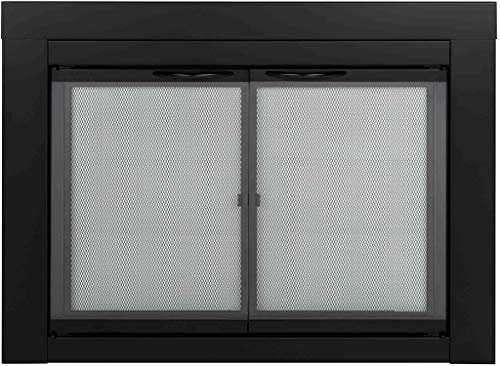
Replacement Doors for Prefabricated Fireplace
Your complete guide to measuring, choosing, and installing the right glass doors for your zero-clearance or prefab fireplace — improving safety, efficiency, and style.
Why Replace the Doors on Your Prefabricated Fireplace?
Prefabricated fireplaces — also known as zero-clearance or prefab fireplaces — are engineered units installed in millions of modern homes. Unlike traditional masonry fireplaces, these units are built with a metal firebox and a specific clearance to combustibles. While they are efficient and easy to install, the factory-supplied doors or screens often leave much to be desired in terms of aesthetics, durability, and heat control.
Upgrading to replacement doors for prefabricated fireplace units is one of the most impactful improvements a homeowner can make. New glass doors can dramatically reduce heat loss when the fireplace is not in use, prevent embers from escaping, and give your living space a polished, custom look. If you are exploring ways to improve the overall look of your hearth, you may also benefit from our guide on fireplace doors to understand the full range of options available.
Whether your existing doors are broken, missing, or simply outdated, this guide will walk you through every step of the replacement process — from accurate measurement to material selection and safe installation.
Understanding Your Prefabricated Fireplace
Before you shop for replacement doors, it helps to understand what makes a prefab fireplace different from a masonry one. Prefabricated fireplaces are typically constructed with a steel firebox, an insulated outer shell, and a chimney system that is also factory-built. They rely on specific airflow patterns to cool the unit and maintain safe temperatures.
Because of this design, doors for prefab fireplaces must allow for proper airflow. Unlike masonry fireplaces, where you can often use any decorative door, prefab units usually require doors with a specific venting design or a frame that does not obstruct the air inlets and outlets. You can learn more about the various types of fireplaces and their construction in our guide to types of fireplaces.
Many prefab fireplaces come with a removable metal screen or a basic glass door set. Over time, these can become damaged or simply look dated. Fortunately, the aftermarket industry offers a wide range of replacement doors tailored to common prefab brands and sizes.
How to Measure Your Prefab Fireplace for Replacement Doors
Accurate measurement is the single most important step in buying replacement doors. Even a small error can result in a poor fit, air leaks, or a return. Follow this step-by-step process:
- Remove the old doors or screens. Set them aside so you can compare dimensions if needed.
- Measure the opening width. Use a tape measure to find the width of the firebox opening at its narrowest point, usually at the top or bottom. Record this number.
- Measure the opening height. Measure from the top edge of the opening to the bottom edge, again at the narrowest point.
- Measure the frame overlap. Determine how much the new door frame will overlap the surrounding face. This is often called the “face width” and “face height.”
- Check for a lintel bar or obstruction. Some prefab fireplaces have a metal bar or a refractory panel that protrudes. Make sure your new doors will clear these.
- Note the mounting type. Most prefab fireplace doors attach to the face of the fireplace with screws or high-temperature adhesive. Some models use a clamp-on design. Identify the mounting method your fireplace supports.
If you are also considering upgrades to your fireplace surround or mantel, our article on fireplace mantels can provide additional inspiration.
Types of Replacement Doors for Prefabricated Fireplaces
Replacement doors come in several styles, each with its own advantages. The right choice depends on your heating habits, aesthetic preferences, and the specific design of your prefab fireplace.
1. Glass Doors with Tempered Glass
Tempered glass doors are the most common option for prefab fireplaces. They are durable, heat-resistant, and available in a variety of frame finishes such as black, bronze, brushed nickel, and antique brass. Many tempered glass doors feature a simple latch or magnetic closure. They are an excellent choice for improving efficiency and safety, as they help control the burn rate and prevent room air from escaping up the chimney when the fireplace is not in use.
2. Ceramic Glass Doors
Ceramic glass (also known as pyroceram) is more heat-resistant than tempered glass and is often used in high-efficiency fireplaces and wood stoves. For prefab fireplaces, ceramic glass doors are a premium option that can withstand higher temperatures and provide better clarity. They are less likely to shatter and can handle direct flame contact. If you are looking for a top-tier upgrade, ceramic glass is worth considering.
3. Bi-Fold and Cabinet-Style Doors
Bi-fold doors open outward in two panels, while cabinet-style doors swing open like French doors. Both styles offer full access to the firebox for loading wood and cleaning. They are popular for their ease of use and traditional appearance. However, they require more clearance in front of the fireplace, so make sure your hearth area can accommodate the swing.
4. Screen Doors with Glass Inserts
Some replacement doors combine a metal mesh screen with removable glass panels. This hybrid design gives you the best of both worlds: you can use the screens alone for an open fire, or insert the glass panels to improve efficiency when the fire is dying down. This versatility makes them a favorite for homeowners who use their fireplace frequently.
For a deeper dive into door styles and materials, including how they compare to screens, see our comprehensive guide on fireplace doors.
Materials and Finishes: What to Look For
The frame of your replacement doors is just as important as the glass. Here are the most common materials and their characteristics:
- Steel: The most affordable and widely available option. Steel frames are strong and can be powder-coated in various colors. They are a solid choice for budget-friendly and mid-range replacements.
- Stainless Steel: Resistant to rust and corrosion, stainless steel is ideal for humid climates or outdoor-covered applications. It has a modern, clean look and is often found on high-end models.
- Aluminum: Lightweight and rust-resistant, aluminum is common for prefab fireplace doors. It can be finished in black, bronze, or other colors. However, it may not feel as substantial as steel.
- Cast Iron: Heavy and durable, cast iron offers a traditional, old-world aesthetic. It is less common for prefab fireplaces due to weight, but some specialty manufacturers offer it.
Finish options include matte black, satin black, oil-rubbed bronze, pewter, and brass. Choose a finish that complements your fireplace surround and room decor. If you are planning to refresh the surrounding brick or stone, our article on paint colors that go with red brick fireplace can help you coordinate.
Installation Considerations for Prefab Fireplace Doors
Installing replacement doors on a prefabricated fireplace is generally a straightforward DIY project, but it requires attention to detail and safety. Here is what you need to know:
Tools and Materials
- Drill with appropriate bits for metal
- High-temperature silicone adhesive (if required)
- Measuring tape and pencil
- Level
- Screwdriver or nut driver
- Safety glasses and gloves
Step-by-Step Installation
- Turn off the gas or ensure the fireplace is completely cool. If you have a gas prefab fireplace, shut off the gas supply. For wood-burning units, make sure there are no hot ashes or embers.
- Remove the old doors. Unscrew or unclamp the existing doors and set them aside.
- Clean the mounting surface. Remove any debris, old adhesive, or rust from the face of the fireplace.
- Test-fit the new doors. Place the new door frame against the fireplace opening and check the fit. Make sure the frame overlaps the face evenly on all sides.
- Mark screw holes. Use a pencil to mark where the screws will go. If your doors require adhesive, apply a bead of high-temperature silicone to the back of the frame.
- Secure the doors. Drill pilot holes if necessary, then screw the frame into place. Do not overtighten, as this can crack the glass or distort the frame.
- Check operation. Open and close the doors several times to ensure they operate smoothly. Adjust the hinges or latches if needed.
- Allow adhesive to cure. If you used adhesive, wait at least 24 hours before lighting a fire.
Benefits of Upgrading Your Prefab Fireplace Doors
Replacing old or missing doors is not just about looks. Here are the key benefits you can expect:
- Improved energy efficiency: Glass doors help reduce the amount of heated room air that escapes up the chimney when the fireplace is not in use. This can lower your heating bills and make your home more comfortable.
- Enhanced safety: Doors create a barrier between the fire and your living space, preventing sparks and embers from escaping. This is especially important in homes with children or pets.
- Better draft control: By regulating the amount of air entering the firebox, doors give you more control over the burn rate and can help reduce creosote buildup.
- Aesthetic upgrade: New doors can transform the look of your fireplace, making it a focal point rather than an eyesore. Choose from a wide range of styles, finishes, and glass types to match your decor.
- Increased home value: A well-maintained fireplace with quality doors can be a selling point if you decide to put your home on the market. Our article on fireplace home value explores this topic further.
Common Mistakes to Avoid When Buying Replacement Doors
To ensure a successful replacement, avoid these common pitfalls:
- Buying doors not rated for prefab fireplaces. Standard masonry fireplace doors may not allow proper airflow and can cause your prefab unit to overheat.
- Incorrect measurements. Always measure the opening, not the old doors. Old doors may have been bent or may not have been the correct size to begin with.
- Ignoring clearance requirements. Some doors require a minimum clearance to combustibles. Check the manufacturer’s instructions and your fireplace manual.
- Using the wrong adhesive. Standard construction adhesive is not suitable for high-temperature applications. Use only high-temperature silicone or the adhesive recommended by the door manufacturer.
- Overlooking ventilation. Prefab fireplaces need airflow to cool the outer shell. Make sure your new doors do not block any ventilation louvers or gaps.
If you are also considering a larger renovation, such as converting your fireplace to a different fuel type, our guide on cost of converting a wood burning fireplace to gas can provide useful context.
Frequently Asked Questions
Can I use any glass doors on a prefabricated fireplace?
No. Prefabricated fireplaces require doors that are specifically designed for zero-clearance units. These doors allow for proper airflow and are tested to work with the fireplace’s cooling system. Using unapproved doors can void the fireplace’s listing and create a fire hazard.
How do I know if my fireplace is prefabricated?
Prefabricated fireplaces typically have a metal firebox, a glass front, and a metal chimney. They are often installed in new construction and are lighter than masonry fireplaces. You can usually find a rating plate inside the firebox or near the gas valve that indicates the manufacturer and model.
Do replacement doors improve heating efficiency?
Yes. Glass doors can significantly reduce heat loss when the fireplace is not in use by stopping warm room air from escaping up the chimney. They also help control the burn rate, which can lead to more efficient wood consumption. However, they are not a substitute for a fireplace insert if your goal is to heat your home.
Can I install replacement doors myself?
In most cases, yes. Installation is typically a matter of screwing the door frame into the face of the fireplace. However, if you have a gas fireplace or are unsure about any aspect of the installation, it is best to hire a qualified technician. For more information, see our guide on DIY vs professional fireplace installation.
How do I clean and maintain my new glass doors?
Clean the glass with a non-abrasive cleaner and a soft cloth. Avoid using ammonia-based cleaners, which can damage the glass over time. For stubborn soot, use a specialized fireplace glass cleaner. Regular maintenance will keep your doors looking new and functioning properly. Our article on how to clean fireplace glass offers detailed instructions.
What if my prefab fireplace has an unusual size?
Many manufacturers offer custom-sized doors for odd-sized openings. You can also look for adjustable frames that can accommodate a range of dimensions. If you cannot find a ready-made option, a custom fabricator can build doors to your exact specifications.
Final Thoughts
Replacing the doors on your prefabricated fireplace is a smart investment that pays off in safety, efficiency, and style. By taking accurate measurements, choosing the right materials, and following proper installation procedures, you can enjoy a beautiful and functional fireplace for years to come.
Remember to always prioritize safety and compliance with your fireplace’s listing. If you are ever in doubt, consult a professional. For more information on fireplace accessories and maintenance, explore our other guides on fireplace accessories and fireplace maintenance.