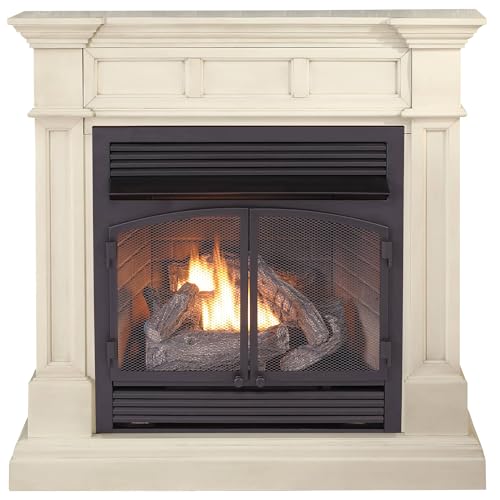
Ventless Gas Fireplace Insert with Blower and Remote Control
Discover the ultimate guide to choosing, installing, and maintaining a ventless gas fireplace insert that combines efficient heating, convenient remote operation, and powerful blower circulation for your home.
Explore Top PicksWhy Choose a Ventless Gas Insert? A ventless gas fireplace insert with a blower and remote control offers a unique combination of flexibility, efficiency, and convenience. Unlike traditional fireplaces, these units require no chimney or external venting, making them ideal for a wide range of homes, including apartments and spaces where adding a vent would be impractical. The integrated blower maximizes heat distribution, while the remote control puts comfort at your fingertips.
What Is a Ventless Gas Fireplace Insert?
A ventless gas fireplace insert is a self-contained heating appliance designed to fit into an existing fireplace opening or be installed as a standalone unit. It burns natural gas or propane and, as the name suggests, does not require a chimney, flue, or external vent to exhaust combustion byproducts. Instead, these units are engineered to burn fuel so efficiently that the emissions are considered safe for indoor environments. This makes them an excellent choice for homeowners who want the ambiance and warmth of a real fire without the expense and complexity of installing a venting system.
When you add a blower and remote control to the equation, the insert becomes even more versatile. The blower fan actively circulates heated air into the room, dramatically improving heating performance compared to radiant-only models. The remote control allows you to adjust the flame height, thermostat settings, and blower speed from across the room, adding a layer of convenience that modern homeowners appreciate. For a broader understanding of how these units compare to vented alternatives, see our guide on ventless vs vented gas fireplace.
Key Features and Benefits
A ventless gas fireplace insert with blower and remote control is more than just a heating appliance; it's a comprehensive comfort solution. Here are the primary features that make it a compelling choice for many households:
🔥 High-Efficiency Heating
Ventless inserts are known for their impressive heating efficiency. Because they don't lose heat through a chimney, nearly all the warmth stays in your room. The blower further enhances this by distributing heat evenly, making these units effective for zone heating.
📱 Remote Control Convenience
The included remote control lets you power the unit on and off, adjust flame height, set a thermostat, and control blower speed without leaving your seat. Many models also offer programmable timers and smart home compatibility.
🔧 Flexible Installation
With no need for a chimney or vent, installation is far simpler and less expensive than traditional fireplaces. You can place a ventless insert in an existing fireplace, a new construction opening, or even as a freestanding unit in some cases.
🌡️ Zone Heating Capability
Rather than heating your entire home, a ventless insert allows you to warm only the rooms you're using. This can lead to significant energy savings by letting you lower your central thermostat. Learn more about zone heating with fireplace.
💨 Blower Fan for Even Heat
The blower, sometimes called a fan, is a game-changer for heat distribution. It pulls cool air from the room, passes it over the heated firebox, and pushes warm air back into the space. This creates a more comfortable, consistent temperature.
🛡️ Safety Features
Modern ventless inserts come equipped with an Oxygen Depletion Sensor (ODS) that automatically shuts off the unit if oxygen levels drop. Many also include overheat protection and cool-touch glass. See our ventless fireplace safety guide.
How to Choose the Right Ventless Gas Insert
Selecting the perfect ventless gas fireplace insert with blower and remote control involves considering several factors. First, determine the appropriate heating capacity for your space. This is typically measured in British Thermal Units (BTU). As a general rule, you'll need roughly 20 BTUs for every square foot of living space, though this varies based on insulation, ceiling height, and climate. Our detailed fireplace heating capacity BTU guide can help you calculate your needs.
Next, consider the fuel type. Ventless inserts are available for both natural gas and propane. Natural gas is convenient if your home already has a gas line, while propane is a great option for homes without natural gas access. Each fuel type has its own installation and cost considerations. You can explore this further in our natural gas vs propane fireplace comparison.
Size and placement are also critical. Measure your existing fireplace opening or the space where you plan to install the unit. Inserts are designed to fit specific dimensions, so accurate measurements are essential. If you're replacing a wood-burning fireplace, you may be interested in our guide on replacing wood burning fireplace with gas insert.
Finally, consider the features that matter most to you. Do you want a realistic log set? A contemporary linear design? Thermostatic control? The remote control functionality? Our fireplace buying guide offers a comprehensive framework for making these decisions.
💡 Pro Tips for Ventless Insert Owners
- Always follow the manufacturer's guidelines regarding room size and ventilation. Ventless units are designed for spaces above a certain cubic footage.
- Install a carbon monoxide detector in the same room as your ventless insert for added peace of mind. Learn about carbon monoxide signs from fireplace.
- Keep the blower and surrounding area free of dust and debris. Regular cleaning ensures optimal airflow and extends the life of your unit.
- Schedule annual professional maintenance to inspect the burner, ODS, and blower components. See our gas fireplace maintenance guide.
- Use the remote's thermostat mode to maintain a consistent temperature and maximize efficiency.
Ventless vs. Vented Gas Inserts: A Quick Comparison
Understanding the differences between ventless and vented gas inserts is crucial for making an informed decision. While ventless units offer installation flexibility and high efficiency, vented models have their own advantages. The table below summarizes the key distinctions:
| Feature | Ventless Gas Insert | Vented Gas Insert |
|---|---|---|
| Venting Requirement | None (no chimney or flue needed) | Requires a chimney or direct vent |
| Installation Cost | Generally lower due to no venting | Higher due to venting requirements |
| Heating Efficiency | Very high (up to 99% efficient) | High (typically 70-85% efficient) |
| Indoor Air Quality | Emissions released into room; requires ODS | Emissions exhausted outdoors |
| Installation Flexibility | High; suitable for apartments, etc. | Limited by venting pathways |
| Best For | Zone heating, supplemental warmth, flexible installs | Primary heating, homes with existing chimneys |
For a deeper dive into this topic, read our full article on venting vs ventless gas fireplace.
Installation Considerations
Installing a ventless gas fireplace insert is typically less involved than installing a vented unit, but it still requires careful planning and, in most cases, a professional installer. Here are the key steps and considerations:
- Clearance Requirements: Ventless inserts have specific clearance requirements from combustible materials. These are outlined in the manufacturer's manual and must be strictly followed.
- Gas Line Connection: A licensed professional should connect the gas line. If you don't have an existing gas line, you'll need to have one run to the location.
- Electrical Connection: The blower and remote control require electricity. You'll need a nearby outlet or hardwired connection, depending on the model.
- Room Size and Ventilation: Ventless inserts are rated for specific room volumes. Ensure your space meets the minimum requirements. Our article on fireplace ventilation requirements provides more details.
- Mantel and Surround Clearances: If you're installing a mantel or surround, ensure they meet the required distances from the firebox. See our guide on how to install fireplace mantel.
For a comprehensive overview, refer to our fireplace installation guide overview.
Maintenance and Troubleshooting
To keep your ventless gas fireplace insert running safely and efficiently, regular maintenance is essential. Here are some routine tasks:
- Cleaning the Glass: Soot and dust can accumulate on the glass front. Clean it periodically with a non-ammonia glass cleaner. See how to clean fireplace glass.
- Checking the Burner: Inspect the burner for dust, debris, or spider webs. A clean burner ensures a proper flame. Learn how to clean a gas fireplace burner.
- Testing the ODS: The Oxygen Depletion Sensor should be tested annually by a professional to ensure it's functioning correctly.
- Blower Maintenance: Keep the blower fan and its intake vents free of dust. If the blower stops working, see our guide on fireplace blower fan not working.
- Remote Control Issues: If your remote isn't working, try replacing the batteries first. For persistent issues, see electric fireplace remote fix (the principles are similar).
If you encounter problems like the pilot light going out or unusual smells, consult our troubleshooting resources. For example, pilot light keeps going out and fireplace smells like gas are common issues with straightforward solutions. Always prioritize safety; if you smell gas, turn off the unit and call a professional immediately.
Frequently Asked Questions
A ventless gas fireplace insert is a heating unit that burns natural gas or propane without requiring a chimney or external vent. The blower helps circulate heat into the room, while the remote control allows convenient operation from a distance. These units are designed for high efficiency and flexible installation.
Yes, when installed and maintained according to the manufacturer's instructions. Modern ventless inserts include oxygen depletion sensors and other safety features to ensure safe indoor operation. Always ensure proper room size and follow ventilation guidelines. Installing a carbon monoxide detector is also recommended.
A blower fan circulates warm air from the fireplace into the room more efficiently, improving heat distribution and overall heating performance compared to radiant heat alone. This can make a significant difference in how quickly and evenly a room warms up.
While ventless inserts are efficient space heaters, they are typically used as supplemental or zone heating sources. For whole-home heating, consult with an HVAC professional to determine if a ventless insert is suitable for your needs. See our guide on can fireplace heat entire house.
Regular maintenance includes cleaning the glass, checking the burner and pilot light, inspecting the oxygen depletion sensor, and ensuring the blower is free of dust. Annual professional inspection is recommended for safety and efficiency. See our fireplace maintenance schedule for a complete checklist.
Ready to Find Your Perfect Ventless Gas Insert?
Explore our curated selection of top-rated ventless gas fireplace inserts with blower and remote control. These models combine efficiency, convenience, and style to transform your space.
View Recommended Models