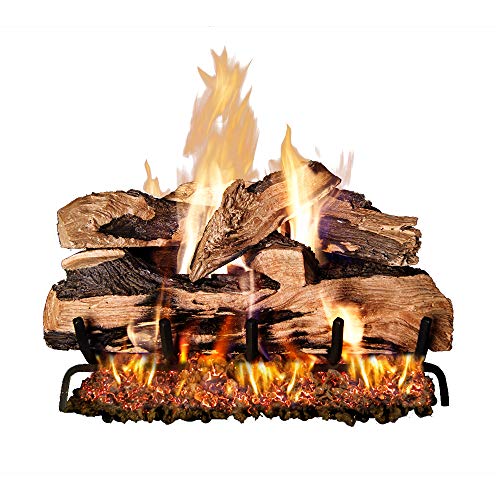
Top Rated Vented Gas Fireplace Logs: The Complete Guide
Everything you need to know about choosing realistic, efficient, and durable vented gas logs for your fireplace. Make an informed decision with our comprehensive guide.
Why Vented Gas Logs? Vented gas logs are the gold standard for realism in gas fireplaces. Unlike their ventless counterparts, they produce a tall, dancing flame that closely mimics a real wood fire, complete with glowing embers and a authentic look. If you have an existing masonry or prefabricated fireplace with a functional chimney, a vented log set is the most realistic and safest way to enjoy the ambiance of a wood fire without the mess and hassle.
What Are Vented Gas Fireplace Logs?
Vented gas logs are a type of gas fireplace accessory designed to be used in a fireplace that has a working chimney or vent. They are called "vented" because the byproducts of combustion—including carbon monoxide, water vapor, and heat—are safely expelled through the chimney to the outside. This allows them to produce a much larger, more realistic flame than ventless logs, which must burn cleaner but often look less authentic.
The logs themselves are typically made from refractory ceramic, which is molded and painted to look like real wood. They are arranged on a grate or burner pan, and when connected to a natural gas or propane line, they produce a beautiful, warm fire. Because they vent outside, they are not limited by the strict emission regulations that govern ventless logs, giving you more freedom in terms of log arrangement and flame appearance.
If you are still exploring the different types of fireplaces, our guide to fireplace types can help you understand where vented gas logs fit into the broader category of gas fireplaces. For those who already have a fireplace and are considering an insert, our article on installing an insert in a fireplace provides valuable insights.
Vented vs. Ventless Gas Logs: Key Differences
Before you decide on a vented gas log set, it's important to understand how it compares to a ventless (also called vent-free) log set. The choice between the two depends on your fireplace setup, your priorities for realism versus efficiency, and your local building codes.
| Feature | Vented Gas Logs | Ventless Gas Logs |
|---|---|---|
| Realism | High (tall, dancing flames, glowing embers) | Moderate (smaller, more uniform flame) |
| Efficiency | Lower (up to 90% of heat escapes through the chimney) | High (up to 99% efficient, designed for heating) |
| Venting | Requires a working chimney or vent | No venting required, but requires a fireplace that is approved for ventless use |
| Safety | Very safe when properly installed and vented | Safe, but requires strict adherence to installation guidelines and room size requirements |
| Best For | Ambiance and realism, existing masonry fireplaces | Supplemental heating, apartments, or fireplaces without a chimney |
For a deeper dive into ventless options, you might explore our articles on ventless fireplace logs and small ventless gas fireplace inserts. However, if realism is your top priority, vented logs are the clear winner.
What to Look For in Top Rated Vented Gas Logs
Not all vented gas logs are created equal. To ensure you get a product that looks great, lasts for years, and operates safely, consider the following factors:
- Realism and Detail: High-quality logs are molded from real wood and hand-painted to capture details like bark texture, knots, and char marks. Look for logs with a "split" or "charred" look for maximum authenticity.
- Burner System: The burner is the heart of the log set. A quality burner will produce a tall, lively flame. Consider features like a "glowing ember" bed, which adds to the realism. Some burners offer a "dancing flame" pattern that mimics a real fire.
- Construction Material: Refractory ceramic is the industry standard for its durability and heat resistance. Some premium sets may use a blend of materials for even better realism or longevity.
- Safety Features: A built-in safety pilot (Oxygen Depletion Sensor - ODS) is crucial. It automatically shuts off the gas if oxygen levels drop, preventing carbon monoxide buildup. This is a non-negotiable feature.
- BTU Output: Vented gas logs typically range from 60,000 to 90,000 BTUs or more. The right size depends on your fireplace's size and your heating needs. Our BTU guide can help you calculate the right capacity.
- Control Options: You can choose from manual controls, a remote control, or a wall switch. A remote control adds convenience, while a thermostat can help regulate the temperature. Explore our remote control guide for more details.
Installation and Safety Considerations
Proper installation is critical for the safe and efficient operation of vented gas logs. While some homeowners may be tempted to DIY, we strongly recommend hiring a licensed professional, especially for gas line connections. A professional will ensure that the gas line is properly sized, the connections are leak-free, and the fireplace and chimney are in good condition.
Before installation, a technician will inspect your chimney to make sure it is clean and free of obstructions like creosote or bird nests. A blocked chimney can cause carbon monoxide to back up into your home, which is extremely dangerous. For more on this, see our guide on chimney cleaning.
Safety should always be your top priority. Install a carbon monoxide detector in the same room as your fireplace. Never use vented gas logs in a bedroom or bathroom. Also, be aware of the clearance requirements; furniture and other combustible materials should be kept at a safe distance. Our article on furniture distance from a fireplace provides specific guidelines.
For a comprehensive overview of the installation process, see our fireplace installation guide. If you are considering converting your existing fireplace, you may find our article on converting a natural fireplace to gas helpful.
Features of Top Rated Vented Gas Log Sets
When you are shopping for a top-rated vented gas log set, you'll notice several features that separate the best from the rest. Here’s what to look for:
- Realistic Log Design: The most highly-rated sets feature logs that are individually molded and hand-painted. Some even include "glowing embers" that are placed around the logs to simulate the look of a real fire.
- Advanced Burner Technology: Look for burners that offer a "dancing" or "lively" flame pattern. Some systems use a pan burner with sand or vermiculite to create a glowing ember effect, while others use a more advanced system with a grate and burner that produces tall, realistic flames.
- Safety Pilot System: As mentioned, a safety pilot with an Oxygen Depletion Sensor (ODS) is essential. This feature ensures that the gas supply is cut off if oxygen levels drop, preventing a dangerous buildup of carbon monoxide.
- Remote Control and Thermostat: The convenience of a remote control is a major selling point for top-rated sets. Some remote controls also include a thermostat, allowing you to set a desired temperature and have the fireplace automatically maintain it. Explore our remote control gas fireplace burner guide for more information.
- Durable Construction: The best log sets are built to last. They use high-quality refractory ceramics that resist cracking and fading over time. The burner and grate should be made from heavy-duty steel or cast iron.
- Ease of Installation: While professional installation is recommended, some sets are designed for easier installation with clear instructions and pre-assembled components.
For those interested in specific types of log sets, you might look at ceramic fire logs for gas fireplaces or driftwood log sets for a more contemporary look. For a more traditional appearance, propane fireplace logs are a popular choice.
Maintenance Tips for Vented Gas Logs
To keep your vented gas logs looking great and operating safely, regular maintenance is key. Here’s a simple maintenance schedule:
- Annual Inspection: Have a professional inspect your fireplace and chimney annually. They will check the logs, burner, and venting system for any signs of wear or blockage. See our annual fireplace inspection guide.
- Cleaning: Before the heating season, gently clean the logs with a soft brush or vacuum to remove dust and soot. Avoid using water or abrasive cleaners, as they can damage the finish. Our article on how to clean fireplace glass offers related tips.
- Check the Burner: Periodically check the burner ports for blockages. If you notice a weak or uneven flame, it might be due to a clogged port. Our guide on weak flame on a gas fireplace can help troubleshoot.
- Test the Safety Pilot: Follow the manufacturer's instructions to test the safety pilot system. If it doesn't shut off when it should, have it serviced immediately.
- Seasonal Care: During the off-season, you can cover the fireplace opening to prevent dust and debris from settling on the logs. See our summer fireplace care tips.
Troubleshooting Common Vented Gas Log Issues
Even the best log sets can encounter issues. Here are some common problems and their solutions:
- Logs Won't Light: This could be a problem with the pilot light, a faulty thermocouple, or a gas supply issue. Our guide on gas fireplace won't light provides step-by-step troubleshooting.
- Weak or Uneven Flame: This is often caused by a clogged burner port or a misadjusted air shutter. See our article on weak flame on a gas fireplace for solutions.
- Soot Buildup: Soot on the logs or glass indicates incomplete combustion. This can be caused by a dirty burner or incorrect log placement. Our guide on why your fireplace is turning black can help.
- Pilot Light Keeps Going Out: A dirty pilot tube or a faulty thermocouple are common culprits. See our guide on pilot light keeps going out.
- Strange Noises: Popping or rumbling sounds can be normal as the metal heats and cools, but persistent loud noises may indicate a problem. Our article on gas fireplace making noise explains more.
Frequently Asked Questions
Can I use vented gas logs in any fireplace?
No. Vented gas logs require a working chimney or vent that is in good condition and sized appropriately for the fireplace. They cannot be used in a ventless fireplace or in a fireplace that has been converted for ventless use. Always consult a professional to ensure your fireplace is suitable.
How much heat do vented gas logs produce?
Vented gas logs produce a significant amount of heat, typically ranging from 60,000 to 90,000 BTUs or more. However, because they are vented, most of this heat escapes up the chimney. They are primarily designed for ambiance, not as a primary heat source. If heating is your main goal, you might want to explore ventless options or a gas fireplace insert.
Are vented gas logs safe?
Yes, when installed correctly and with proper ventilation, they are very safe. The key is to have a working chimney that safely vents all combustion byproducts outdoors. You should also install a carbon monoxide detector and have your system inspected annually. See our article on signs of carbon monoxide from fireplace for more information.
Can I leave my vented gas logs on overnight?
It is generally not recommended to leave any gas fireplace on overnight while you are sleeping. While they are safe when properly maintained, it's always best to turn them off when you are not able to monitor them. See our article on leaving a fireplace on overnight for a detailed discussion.
How long do vented gas logs last?
The lifespan of a vented gas log set depends on the quality of the materials and the frequency of use. A high-quality set made from refractory ceramic and heavy-duty steel can last for many years, often over a decade, with proper maintenance. Our guide on fireplace lifespan provides more context.
What is the difference between a vented log set and a vented insert?
A vented log set is a set of logs and a burner that is placed in an existing fireplace. A vented insert is a self-contained unit that is installed inside an existing fireplace and often includes a blower and a glass front for increased efficiency. Inserts are generally more efficient for heating. You can learn more in our article on vented fireplace inserts with blower.
Ready to Choose the Perfect Vented Gas Logs?
Now that you understand what to look for, you're ready to make an informed decision. Explore our recommended products below to find a top-rated vented gas log set that will transform your fireplace into a stunning focal point.
See Recommended Products