Installing an Insert in a Fireplace
Transform your existing fireplace into a high-efficiency heating source. Learn how to choose and install the right insert for your home.
EXPLORE BUYING GUIDEWhy Install an Insert? A fireplace insert can dramatically improve heating efficiency, reduce energy waste, and lower emissions compared to a traditional open fireplace. Whether you choose wood, gas, electric, or pellet, proper installation is key to performance and safety.
What Is a Fireplace Insert?
A fireplace insert is a self-contained appliance designed to fit into an existing fireplace opening. Unlike a traditional open hearth, an insert is sealed and often equipped with a blower, combustion controls, and a glass door. This design allows it to produce more heat with less fuel, making it a popular upgrade for homeowners looking to improve efficiency. If you are still exploring different options, our guide on wall-mounted vs insert vs freestanding fireplaces can help clarify the differences.
Inserts are available in several fuel types, each with unique installation requirements. Understanding these differences is essential before you begin. For a broader overview of fireplace categories, see types of fireplaces explained.
Types of Fireplace Inserts
Choosing the right insert depends on your existing fireplace, home layout, and heating goals. Here is a comparison of the most common types:
| Type | Best For | Venting | Efficiency | Installation Complexity |
|---|---|---|---|---|
| Wood Insert | Whole-home heating, rustic ambiance | Chimney liner required | High (70–80%+ with EPA certification) | Moderate to high |
| Gas Insert | Convenience, zoned heating, realistic flame | Direct vent or B-vent | High (75–90%) | Moderate (requires gas line) |
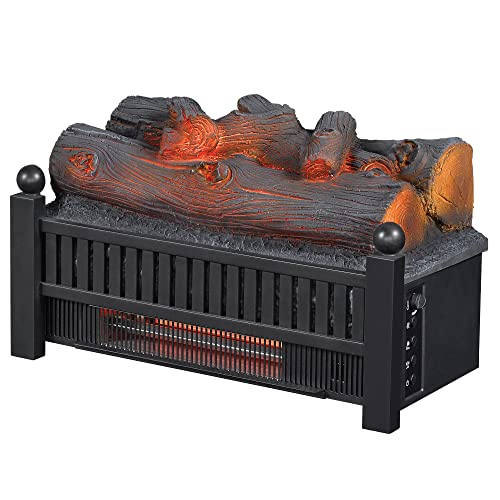
| Electric Insert | Apartments, condos, no-vent zones | None (plug-in) | 100% at point of use (zone heating) | Low (DIY-friendly) |
| Pellet Insert | Automated wood heating, eco-conscious homes | Chimney liner or direct vent | Very high (80–90%) | Moderate to high |
For a deeper dive into electric models, see our guide on types of electric fireplace inserts. If you are considering replacing a wood-burning fireplace with an electric insert, read electric fireplace insert to replace wood burning.
Planning Your Insert Installation
Before purchasing an insert, you need to assess your existing fireplace and home. Key considerations include:
- Fireplace dimensions: Measure the opening, depth, and hearth. Inserts come in standard sizes, but custom surrounds may be needed.
- Chimney condition: A professional inspection is recommended. For wood inserts, a stainless steel liner is often required. See stainless steel chimney liner for wood burning fireplace.
- Venting requirements: Gas and wood inserts need proper venting. Review do you need a chimney or vent? for details.
- Fuel availability: Natural gas, propane, electricity, or wood pellets—choose what is practical for your location.
- Local codes and permits: Check with your municipality. Some installations require a permit. See fireplace permit requirements.
For a step-by-step overview of the installation process, visit our fireplace installation guide.
Step-by-Step Installation Overview
While specific steps vary by insert type, here is a general sequence for a professional installation:
- Inspection and measurement: A certified technician inspects the chimney, flue, and fireplace box. They confirm the insert will fit and identify any repairs needed.
- Chimney preparation: For wood and pellet inserts, a stainless steel liner is installed. Gas inserts may use a direct vent system. Electric inserts require no venting but need a power source.
- Gas line or electrical connection: Gas inserts require a dedicated gas line. Electric inserts need a nearby outlet or hardwired connection. Always follow local codes.
- Insert placement: The insert is slid into the fireplace opening. Leveling and securing are important for safety and performance.
- Surround and trim installation: A decorative surround covers gaps between the insert and fireplace. This is also a good time to consider DIY fireplace surround for electric fireplace if you are handy.
- Blower and thermostat wiring: If your insert has a blower or thermostat, connect it according to the manufacturer's instructions. For gas models, see gas fireplace insert with blower and thermostat.
- Testing and commissioning: The installer checks for leaks, proper draft, and correct operation. They also review maintenance and safety with you.
If you are considering a DIY approach, read DIY vs professional fireplace installation to weigh the risks and benefits. For electric inserts, installing electric fireplace into existing fireplace is a common project.
Venting and Chimney Considerations
Proper venting is critical for safety and efficiency. Here is what you need to know for each insert type:
- Wood inserts: Require a full stainless steel liner from the insert to the top of the chimney. This improves draft and prevents creosote buildup. See chimney cleaning guide for maintenance.
- Gas inserts: Direct vent models pull air from outside and exhaust gases outside through a coaxial pipe. B-vent models use existing chimney but require a liner. Learn more in gas fireplace installation requirements.
- Electric inserts: No venting needed. They produce no combustion byproducts. This makes them ideal for apartment fireplace installation.
- Pellet inserts: Typically use a stainless steel liner or direct vent. They require electricity for the auger and blower.
If you have an existing wood-burning fireplace and are considering a gas insert, see gas fireplace insert for wood burning fireplace. For electric conversions, converting wood burning fireplace to electric is a growing trend.
Efficiency and Sizing
An insert's efficiency rating tells you how much heat is delivered into the room versus lost up the chimney. Modern wood inserts are EPA-certified and can reach 70–80% efficiency. Gas inserts often exceed 80%. Electric inserts are 100% efficient at the point of use, though electricity generation may have losses.
Sizing is equally important. An oversized insert will cycle on and off, wasting fuel and causing discomfort. Use our how to size a fireplace guide and heating capacity BTU guide to determine the right capacity for your space. For small rooms, see best fireplace for small spaces.
Cost and Value Considerations
When evaluating an insert, consider the total cost of ownership: the unit itself, installation, venting, and any permits. Entry-level electric inserts are the most budget-friendly, while high-efficiency wood and gas inserts represent a mid-range to premium investment. Professional installation is recommended for gas and wood inserts due to safety and code requirements.
For a breakdown of typical cost tiers, see fireplace cost breakdown and cost of gas fireplace insert and installation. Keep in mind that an insert can add value to your home and reduce heating bills over time. See does a fireplace add value to your home?.
Maintenance After Installation
Regular maintenance ensures safety and longevity. Schedule annual inspections for wood and gas inserts. Clean the glass, check gaskets, and clear debris from vents. For electric inserts, dust the unit and check the cord. Our fireplace maintenance hub covers everything from how to clean fireplace glass to annual fireplace inspection.
If you notice performance issues, consult our fireplace troubleshooting section. Common problems include smoke coming into the room or gas fireplace won't light.
Frequently Asked Questions
Can I install a fireplace insert myself?
Electric inserts are often DIY-friendly. Gas and wood inserts require professional installation due to venting, gas lines, and safety codes. Always check local regulations.
How long does installation take?
Electric inserts can be installed in a few hours. Gas and wood inserts typically take a full day, especially if a chimney liner is needed. See fireplace installation time.
Do I need a chimney liner for a wood insert?
Yes, almost always. A stainless steel liner is required to safely exhaust smoke and maintain proper draft. Learn more about stainless steel chimney liners.
Can I put a gas insert in a wood-burning fireplace?
Yes, this is a common conversion. You will need a gas line and proper venting. See gas fireplace insert for wood burning fireplace.
Are electric inserts efficient?
They are 100% efficient at converting electricity to heat, but electricity costs vary. They are best for zone heating. See are electric fireplaces expensive to run?.
Ready to Choose Your Insert?
Explore our recommended inserts below. Whether you prefer the convenience of electric, the realism of gas, or the tradition of wood, there is an insert for your home.
View Recommended Inserts