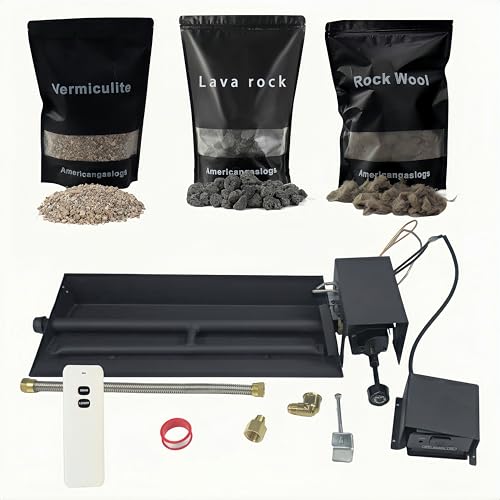
Remote Control Gas Fireplace Burner
Discover how a remote-controlled gas burner transforms your fireplace into a convenient, safe, and modern heating solution — no matches, no bending, no hassle.
View Top RecommendationsWhy a Remote Control Burner? A remote control gas fireplace burner lets you ignite, adjust flame height, and set the perfect ambiance from across the room. It is one of the most sought-after upgrades for both new installations and existing gas fireplaces.
What Is a Remote Control Gas Fireplace Burner?
A remote control gas fireplace burner is a gas burner assembly equipped with an electronic ignition system and a handheld remote. Instead of manually turning a key valve or using a match, you simply press a button to start the fire, regulate the flame, and shut it down. These burners are typically part of a gas fireplace system and can be found in vented, ventless, and direct-vent configurations.
Modern remote systems often include a thermostat, timer, and flame modulation. Some high-end models even sync with smart Wi-Fi fireplace controllers, allowing you to manage your fireplace from a smartphone. Whether you are upgrading an old burner or building a new fireplace, understanding the remote system is essential for convenience and safety.
How Does a Remote Control Gas Burner Work?
The system consists of three main components: the burner assembly, an electronic ignition module (often powered by batteries or a low-voltage adapter), and the remote handset. When you press the remote, it sends a signal to the receiver module, which opens the gas valve and triggers the igniter. The flame sensor then confirms ignition and keeps the gas flowing. If the flame goes out, the sensor shuts the gas off automatically — a critical safety feature.
Most remotes offer basic on/off control, but mid-range and premium models add flame height adjustment, thermostatic control, and programmable timers. For proper installation, always follow the gas fireplace installation requirements and consult a professional if you are unsure about gas connections.
Key Features to Look For
Electronic Ignition
Push-button ignition eliminates the need for a standing pilot light, saving energy and improving reliability.
Flame Modulation
Adjust flame height from low to high to control heat output and ambiance without touching the fireplace.
Thermostatic Control
Set a desired room temperature and let the burner cycle on and off automatically to maintain comfort.
Safety Shut-Off
Flame sensing technology cuts gas supply if the flame is extinguished, preventing dangerous gas buildup.
Battery Backup
Many models include battery backup so you can operate your fireplace during a power outage.
Remote Range
Typical remotes work within 20–30 feet, giving you freedom to control the fireplace from your sofa or bed.
Types of Remote Control Systems
Not all remote systems are the same. Here is a quick comparison of the most common types:
| Type | Best For | Key Advantage |
|---|---|---|
| Basic On/Off Remote | Entry-level setups | Simple, reliable, and budget-friendly |
| Flame Modulation Remote | Mid-range fireplaces | Adjustable flame height for ambiance and heat control |
| Thermostatic Remote | High-end heating | Automatically maintains room temperature |
| Smart Wi-Fi Controller | Modern smart homes | Smartphone control, scheduling, and voice assistant integration |
If you already own a fireplace and want to upgrade, you may only need a fireplace remote control replacement rather than a whole new burner. For a broader look at accessories, visit our fireplace accessories hub.
Benefits of a Remote-Controlled Gas Burner
- Convenience: No more kneeling or reaching to light a fire — just press a button.
- Safety: Electronic ignition and flame sensing reduce the risk of gas leaks and burns.
- Energy Efficiency: No standing pilot light means lower gas consumption when the fireplace is off.
- Comfort: Thermostatic models keep your room at a consistent temperature.
- Ambiance: Adjust the flame to suit the mood, from a gentle glow to a roaring fire.
- Accessibility: Ideal for elderly users or anyone with limited mobility.
Maintenance & Troubleshooting Tips
Like any gas appliance, a remote control burner needs periodic care. Clean the burner ports regularly and inspect the ignition electrode for soot or debris. If your fireplace won't light, check the batteries in the remote and receiver first — this is the most common cause. For more detailed fixes, see our guides on gas fireplace won't light and pilot light keeps going out.
If you smell gas, turn off the fireplace immediately and follow the steps in our gas smell troubleshooting guide. Routine professional inspections are also recommended; our gas fireplace inspection article explains what to expect.
Frequently Asked Questions
Can I add a remote control to my existing gas fireplace?
Yes, in many cases you can retrofit a remote system by replacing the valve or adding a remote-ready ignition module. Consult a qualified technician to ensure compatibility.
Do remote control gas burners work during a power outage?
Most models run on batteries or a low-voltage adapter, so they can operate without household electricity. Check your specific model's power source.
How long does the remote battery last?
Typically 6–12 months, depending on usage. If the remote becomes unresponsive, replace the batteries before assuming a fault.
Is a remote control gas burner safe for ventless fireplaces?
Yes, provided the burner is rated for ventless use and installed according to the manufacturer's instructions. Always follow local codes.
Can I control the flame height with a remote?
Many mid-range and premium remotes offer flame modulation. Basic on/off remotes do not. Check the product specifications before buying.
Ready to Upgrade Your Fireplace?
Browse our recommended remote control gas fireplace burners below. These products are selected based on performance, safety features, and user reviews.
See Recommendations