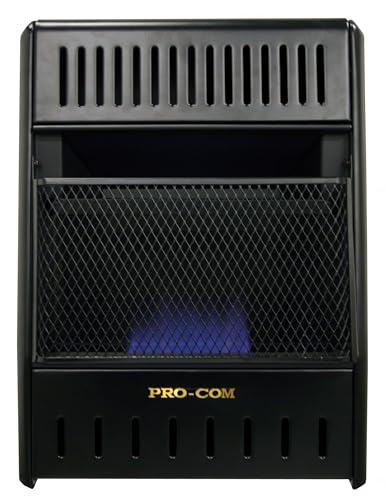
Propane Ventless Heater with Thermostat: Complete Guide
Discover how thermostat-controlled ventless propane heaters deliver efficient, targeted warmth without the need for a chimney or flue. Learn about safety, sizing, and the best options for your home.
Start LearningWhy a Thermostat Matters: A propane ventless heater with a thermostat offers a significant advantage over manual models. Instead of constantly adjusting the heat, the thermostat maintains your desired temperature automatically—improving comfort and reducing propane waste.
What Is a Ventless Propane Heater with Thermostat?
A propane ventless heater with thermostat is a heating appliance that burns propane gas to produce heat and releases the combustion byproducts directly into the room. Unlike vented models, it does not require a chimney, flue, or outside venting. The thermostat feature allows you to set a target temperature, and the heater cycles on and off to maintain it.
These heaters are popular for their high efficiency—nearly all the heat they generate stays in the room. They are ideal for spaces where installing a vent is impractical, such as basements, garages, or additions. However, they do require proper ventilation and a carbon monoxide detector for safe operation. For a broader understanding of how ventless technology fits into different fireplace types, see our guide on types of fireplaces.
How Does a Thermostat-Controlled Ventless Heater Work?
The heater draws propane from a tank or supply line and burns it in a sealed combustion chamber. The thermostat monitors the room temperature. When the temperature drops below your set point, the heater ignites and runs until the room reaches the desired warmth, then shuts off. This cycle repeats automatically.
Most models offer adjustable heat settings and may include a blower to distribute warm air more evenly. The thermostat can be built into the unit or controlled via a remote or wall switch. For related control options, see our guide on fireplace thermostats.
Key Benefits of Propane Ventless Heaters with Thermostat
- No Venting Required: No chimney, flue, or external vent is needed, making installation simple and cost-effective.
- High Efficiency: Nearly 100% of the heat produced stays in the room, unlike vented heaters that lose some heat up the flue.
- Thermostatic Control: Maintains a consistent temperature without manual adjustments, improving comfort and fuel efficiency.
- Zone Heating: Ideal for heating individual rooms or areas, allowing you to lower your central thermostat and save energy.
- Flexible Installation: Can be wall-mounted, freestanding, or placed in a corner, fitting various room layouts.
For a deeper look at how zone heating can reduce overall energy consumption, explore our article on fireplace energy saving tips.
Safety and Ventilation Requirements
Because ventless heaters release combustion byproducts (including water vapor and trace amounts of carbon monoxide) into the room, proper ventilation is critical. Always follow these safety guidelines:
- Install a working carbon monoxide detector in the same room.
- Follow the manufacturer's minimum clearance requirements for walls, furniture, and flooring.
- Provide adequate ventilation—some models require a window slightly open during operation.
- Never use in a confined space without proper air exchange.
- Check local building codes, as some areas restrict or prohibit ventless heaters.
For more on safe operation and carbon monoxide prevention, see our guide on carbon monoxide signs from fireplaces and fireplace ventilation requirements.
How to Size a Propane Ventless Heater for Your Room
Choosing the right size heater is essential for efficient and comfortable heating. Use this simple formula as a starting point:
BTU Required = Room Square Footage × 20 BTU
This assumes average insulation and a moderate climate. Adjust as follows:
- Poor insulation or cold climate: Multiply by 25–30 BTU per sq ft.
- Good insulation or mild climate: Multiply by 15–20 BTU per sq ft.
- Open concept or high ceilings: Increase BTU by 20–30%.
For example, a 400 sq ft room with average insulation would need approximately 8,000 BTU. A heater with a thermostat will cycle on and off to maintain comfort, so slightly oversizing is often better than undersizing. For more detailed sizing guidance, see our heating capacity BTU guide and how to size a fireplace.
Types of Ventless Propane Heaters with Thermostat
Ventless propane heaters come in several configurations to suit different spaces and preferences:
- Wall-Mounted: Mounted on a wall, saving floor space. Ideal for smaller rooms and garages. See related propane wall heaters with thermostat and blower.
- Freestanding: Portable or stationary units that can be placed anywhere with proper clearance. Often used in living areas. Explore ventless propane freestanding fireplaces.
- Corner Units: Designed to fit into corners, maximizing space efficiency. See corner ventless gas fireplaces.
- Fireplace-Style: Mimic the look of a traditional fireplace with logs and flames. Check out ventless gas fireplace logs with remote.
Features to Look For in a Propane Ventless Heater
When comparing models, consider these features:
- Thermostat Type: Manual, digital, or programmable. Digital and programmable offer more precision and convenience.
- Blower: A built-in blower distributes heat more evenly and quickly. See fireplace blower fan guide.
- Ignition Type: Piezo (push-button) or electronic (battery or plug-in). Electronic is more convenient.
- Safety Features: Oxygen depletion sensor (ODS), tip-over switch, and auto shut-off.
- Remote Control: Allows you to adjust temperature from across the room. See fireplace remote control replacement.
- Heating Capacity: Measured in BTU, match to your room size.
Maintenance Tips for Ventless Propane Heaters
Regular maintenance ensures safe and efficient operation:
- Dust and vacuum the unit regularly, especially the burner and air intake.
- Inspect the propane hose and connections for leaks using a soapy water solution.
- Clean the glass front (if applicable) with a non-ammonia cleaner. See how to clean fireplace glass.
- Have the unit professionally serviced annually, especially if used frequently.
- Replace batteries in the thermostat and remote as needed.
For a comprehensive maintenance schedule, see our fireplace maintenance schedule.
Common Issues and Troubleshooting
If your heater isn't working correctly, check these common problems:
- Heater won't ignite: Check propane supply, pilot light (if equipped), and ignition system. See gas fireplace won't light.
- Thermostat not responding: Replace batteries, check wiring, or reset the unit. See fireplace thermostat issue.
- Weak flame or insufficient heat: Could be low propane, clogged burner, or incorrect sizing. See gas fireplace weak flame.
- Smells like gas: Turn off immediately, ventilate, and check connections. See fireplace smells like gas.
For more troubleshooting help, visit our fireplace troubleshooting hub.
Ventless vs. Vented Propane Heaters
Understanding the difference helps you choose the right model:
| Feature | Ventless | Vented |
|---|---|---|
| Venting Required | No | Yes (chimney or flue) |
| Efficiency | High (nearly 100%) | Lower (some heat lost) |
| Installation Cost | Lower | Higher |
| Indoor Air Quality | Requires ventilation | Better, as byproducts go outside |
| Best For | Zone heating, garages, additions | Whole-home heating, bedrooms |
For a broader comparison of heating options, see electric vs gas vs wood fireplace comparison.
Frequently Asked Questions
Are propane ventless heaters with thermostat safe for indoor use?
Yes, when installed and operated according to the manufacturer's instructions. They are designed for indoor use but require proper ventilation and a working carbon monoxide detector. Always check local codes before installation.
How do I size a propane ventless heater for my room?
A common rule of thumb is 20 BTU per square foot for average insulation and climate. For a 400 sq ft room, you would need approximately 8,000 BTU. Adjust up for poor insulation or cold climates, and down for well-insulated spaces.
What is the difference between a ventless and a vented propane heater?
Ventless heaters release combustion byproducts directly into the room, while vented heaters exhaust them outside through a chimney or flue. Ventless models are more efficient but require more careful ventilation.
Can I use a propane ventless heater in a bedroom?
Some models are approved for bedroom use, but check the manufacturer's guidelines and local codes. Bedrooms often require additional safety features like an oxygen depletion sensor (ODS) and strict adherence to clearance requirements.
How often should I service my ventless propane heater?
An annual professional service is recommended, especially before the heating season. Regular DIY maintenance includes cleaning, checking connections, and replacing batteries in thermostats and remotes.
Conclusion
A propane ventless heater with thermostat is an excellent choice for efficient, targeted heating without the hassle of venting. By understanding sizing, safety, and key features, you can choose the right model for your home. Always prioritize safety, follow local codes, and maintain your heater regularly for years of reliable warmth.
Ready to explore specific models? Check out our recommended products below.