
Ventless Propane Fireplace Freestanding: The Complete Guide
Discover everything you need to know about freestanding ventless propane fireplaces — from safety and efficiency to installation and choosing the right model for your home.
START LEARNINGWhy Choose a Freestanding Ventless Propane Fireplace? A freestanding ventless propane fireplace offers the perfect blend of portability, efficiency, and convenience. Unlike built-in units, these fireplaces can be placed almost anywhere in your home without the need for a chimney or external venting. They provide consistent, reliable heat and the cozy ambiance of a real fire — all without the mess of wood or the installation complexity of traditional gas fireplaces.
What Is a Freestanding Ventless Propane Fireplace?
A freestanding ventless propane fireplace is a self-contained heating appliance that burns propane gas to produce a realistic flame and radiant heat. Unlike traditional fireplaces, it does not require a chimney, flue, or external vent. Instead, it uses a catalytic converter or a secondary burn system to consume almost all combustion byproducts, allowing the unit to be placed directly in your living space.
These units are typically designed as stoves or cabinet-style fireplaces, making them a popular choice for homeowners who want the look and warmth of a fireplace without the structural modifications. They are ideal for small spaces and apartments, as well as for rooms where installing a vented unit would be impractical or too costly.
When considering a freestanding unit, it's helpful to understand how it compares to other options. A built-in versus freestanding fireplace comparison can help you decide which format best suits your layout. Additionally, if you're new to fireplace ownership, a beginner's guide to fireplaces can provide foundational knowledge before you commit to a purchase.
How Does a Ventless Propane Fireplace Work?
Understanding the mechanics of a ventless propane fireplace can help you appreciate its efficiency and safety features. Here's a breakdown of how it operates:
1. Propane Combustion
Propane gas is fed into the burner, where it mixes with air and ignites to create a controlled flame. The flame heats a set of ceramic logs or coals, which radiate heat into the room.
2. Catalytic Conversion
Most ventless units use a catalytic converter that burns off nearly all carbon monoxide and other byproducts, converting them into harmless water vapor and carbon dioxide. This process allows the unit to operate without a vent.
3. Heat Distribution
Heat is distributed through radiation and convection. Some models include a blower to circulate warm air more effectively, which can improve heating performance in larger rooms.
4. Safety Sensors
Modern units are equipped with oxygen depletion sensors (ODS) that automatically shut off the gas supply if oxygen levels drop below a safe threshold, preventing carbon monoxide buildup.
For a deeper dive into how ventless technology compares to other systems, see our guide on whether you need a chimney or vent.
Key Benefits of a Freestanding Ventless Propane Fireplace
No Venting Required
The most significant advantage is the flexibility it offers. You can place the unit in any room without worrying about chimney installation, making it perfect for apartments or living rooms where venting is impossible.
High Efficiency
Ventless fireplaces are known for their high heating efficiency, often reaching 90% or more. This is because almost all the heat generated stays in the room, rather than escaping through a chimney. Learn more about energy-efficient fireplace types.
Portability & Flexibility
Freestanding units are portable and can be moved from room to room, depending on your heating needs. They are also available in a variety of styles, from traditional to contemporary designs.
Cost-Effective Heating
Propane is a relatively efficient fuel, and ventless units are generally less expensive to install than their vented counterparts. For a full breakdown of costs, see our fireplace cost breakdown.
Easy Installation
Most freestanding ventless propane fireplaces can be installed by the homeowner with basic tools, though professional installation is recommended for safety. Learn about DIY vs professional installation.
Ambiance & Warmth
These fireplaces provide the cozy, inviting atmosphere of a real fire without the hassle of ash, soot, or wood storage. They are ideal for creating a comfortable, furniture arrangement around the fireplace.
Safety and Ventilation: What You Must Know
While ventless fireplaces are generally safe when used correctly, they do require certain precautions to ensure they operate efficiently and without risk:
Oxygen Depletion Sensors (ODS)
All modern ventless fireplaces come with an ODS pilot that shuts off the gas if oxygen levels drop below 18%. This is a critical safety feature that prevents carbon monoxide buildup.
Carbon Monoxide Detectors
Even with an ODS, it's essential to install a carbon monoxide detector in the same room as your fireplace. Learn about signs of carbon monoxide from fireplace.
Ventilation Requirements
Ventless fireplaces need adequate fresh air to operate safely. Do not install them in airtight rooms. A general rule is to provide 1 square inch of fresh air per 1,000 BTU of input. See our guide on fireplace ventilation requirements.
Clearances
Maintain the manufacturer's specified clearances from combustible materials, such as furniture, curtains, and walls. A safe distance is typically a few feet. Read about how close furniture can be to a fireplace.
Regular Maintenance
Keep the burner, logs, and glass clean to ensure complete combustion. Schedule an annual inspection by a qualified technician. See our fireplace maintenance schedule.
Do Not Use in Bedrooms or Bathrooms
Ventless fireplaces are not recommended for use in small, enclosed spaces like bedrooms or bathrooms due to the risk of oxygen depletion. Consult local codes for specific restrictions.
For additional safety tips, including whether you can leave a fireplace on overnight or sleep with a fireplace on, refer to our detailed FAQ guides.
How to Choose the Best Freestanding Ventless Propane Fireplace
With so many models on the market, selecting the right one requires careful consideration of several factors. Use the table below as a quick reference, and then read on for detailed explanations.
| Factor | What to Consider |
|---|---|
| Heating Capacity (BTU) | Match BTU to your room size. A general rule is 20 BTU per square foot. A 30,000 BTU unit can heat roughly 1,000–1,500 sq ft in moderate climates. See our BTU guide and how to size a fireplace. |
| Size & Dimensions | Measure your space to ensure the unit fits without blocking walkways. Consider the footprint and height. Check our guide on matching fireplace proportions to room shape. |
| Style & Design | Choose a style that complements your decor — traditional, modern, rustic, or contemporary. Some models look like stoves, others like traditional fireplaces. |
| Ignition Type | Manual match-light, push-button, or electronic ignition. Electronic ignition is more convenient but may require electricity. See gas fireplace without a gas line for off-grid options. |
| Blower & Thermostat | A blower helps circulate heat, while a thermostat maintains a consistent temperature. These features add convenience but may increase energy use. See our guide on blower vs fan. |
| Safety Certifications | Look for certification by CSA, UL, or other recognized testing agencies. This ensures the unit meets safety standards. |
| Maintenance Requirements | Some units require more frequent cleaning than others. Check the manual for maintenance details. See our gas fireplace maintenance guide. |
| Warranty | A longer warranty indicates manufacturer confidence. Typical warranties range from 1 to 5 years. |
For a broader perspective on buying a fireplace, consult our fireplace buying guide and which fireplace is right for your home.
Installation Guide for Freestanding Ventless Propane Fireplaces
Installing a freestanding ventless propane fireplace is relatively straightforward, but it's important to follow the manufacturer's instructions and local building codes. Here's a general overview:
Step 1: Choose the Location
Select a location with adequate clearance from combustibles and good air circulation. Avoid high-traffic areas and ensure the floor can support the unit's weight.
Step 2: Connect the Propane
Connect the unit to a propane tank or a natural gas line (if convertible). Use a licensed professional for gas connections to ensure safety. See gas line installation.
Step 3: Install the Vent-Free Log Set
If your unit uses a log set, arrange it according to the diagram in the manual. Proper placement is crucial for complete combustion. See ventless fireplace logs.
Step 4: Check for Leaks
Use a soapy water solution to check all gas connections for leaks. If bubbles appear, tighten the connection and re-test. Never use a flame to check for leaks.
Step 5: Test the Unit
Follow the lighting instructions in the manual. Observe the flame — it should be mostly blue with some yellow tips. If the flame is mostly yellow or sooty, adjust the air shutter.
Step 6: Install a CO Detector
As a safety precaution, install a carbon monoxide detector in the same room as the fireplace. Test it regularly.
For more detailed installation guidance, refer to our fireplace installation guide overview. If you're considering a DIY approach, read is a fireplace DIY-friendly? and DIY ventless fireplace.
Maintenance Tips for Longevity and Safety
Regular maintenance is key to keeping your freestanding ventless propane fireplace running efficiently and safely. Here's a checklist:
Monthly
- Inspect the burner and pilot for dust or debris.
- Check the glass for soot buildup; clean if necessary.
- Test the ODS pilot by following the manufacturer's instructions.
Annually
- Schedule a professional inspection and cleaning.
- Replace the batteries in the remote and thermostat (if applicable).
- Check the gas connections for leaks.
- Clean or replace the air filter (if equipped).
For more detailed maintenance procedures, see our gas fireplace maintenance guide, maintenance schedule, and how to clean a gas fireplace burner. If you encounter issues like a fireplace that won't light or a pilot light that keeps going out, consult our troubleshooting guides.
Freestanding Ventless Propane vs. Other Fireplace Types
To help you make an informed decision, here's how a freestanding ventless propane fireplace compares to other popular options:
| Feature | Ventless Propane Freestanding | Vented Gas Fireplace | Electric Fireplace | Wood Burning Fireplace |
|---|---|---|---|---|
| Venting | None required | Chimney or direct vent | None required | Chimney required |
| Installation | Easy, DIY-friendly | Complex, professional | Very easy, plug-in | Complex, professional |
| Efficiency | High (90%+) | Moderate (70-80%) | High (100% if heater) | Low (10-30%) |
| Heat Output | 20,000–30,000 BTU | 20,000–40,000 BTU | 5,000–10,000 BTU | 20,000–60,000 BTU |
| Ambiance | Real flame | Real flame | LED flame | Real flame |
| Maintenance | Low | Moderate | Very low | High |
| Best For | Apartments, small homes, supplemental heat | Primary heating, larger homes | Ambiance, small spaces | Traditional homes, off-grid |
For more detailed comparisons, see our articles on electric vs gas vs wood, gas vs electric, and pros and cons of each type.
Frequently Asked Questions
Is a freestanding ventless propane fireplace safe to use indoors?
Yes, when installed and operated according to the manufacturer's instructions. They are certified by recognized testing agencies and include safety features like an oxygen depletion sensor (ODS). However, you must ensure adequate ventilation and install a carbon monoxide detector. See ventless vs electric safety for more information.
How much heat does a ventless propane fireplace produce?
Most freestanding models produce between 20,000 and 30,000 BTU, which can heat an area of roughly 700 to 1,000 square feet. The actual heating capacity depends on factors like insulation, ceiling height, and floor plan. Use our BTU guide to determine your needs.
Do ventless propane fireplaces require electricity?
Many models operate without electricity, using a millivolt ignition system or a standing pilot light. However, models with blowers, thermostats, or remote controls may require a standard electrical outlet. See can you use a gas fireplace without electricity.
How often do ventless propane fireplaces need maintenance?
An annual inspection and cleaning are recommended. This includes checking the burner, pilot assembly, and ventilation openings, as well as cleaning the glass and logs as needed. Follow our maintenance schedule for best results.
Can I install a ventless propane fireplace myself?
While some homeowners choose to install the unit themselves, it is strongly recommended to hire a licensed professional for the gas connection. Improper installation can lead to dangerous leaks or fires. See DIY vs professional installation.
What is the lifespan of a ventless propane fireplace?
With proper maintenance, a quality ventless propane fireplace can last 10 to 20 years or more. The lifespan depends on usage, maintenance, and the quality of components. See fireplace lifespan.
Can a ventless propane fireplace be used as a primary heat source?
While ventless fireplaces are efficient, they are typically used as supplemental heat sources. For primary heating, consider a fireplace for actual heating or a central heating system. See can a fireplace heat an entire house.
Do ventless fireplaces produce carbon monoxide?
They produce trace amounts of carbon monoxide, but a properly functioning catalytic converter and ODS should keep levels safe. Always install a CO detector. See signs of carbon monoxide and do electric fireplaces produce CO.
Final Thoughts
A freestanding ventless propane fireplace is an excellent choice for homeowners seeking a convenient, efficient, and stylish heating solution. Whether you live in an apartment, a small house, or simply want to add supplemental heat to a room, these units offer the warmth and ambiance of a traditional fireplace without the associated installation hassles.
Before purchasing, carefully assess your heating needs, room size, and safety requirements. Choose a model with the appropriate BTU rating, safety certifications, and features that match your lifestyle. With proper installation and maintenance, a freestanding ventless propane fireplace can provide years of comfortable, reliable heat.
If you're still unsure which type of fireplace is right for you, explore our fireplace buying guide and which fireplace is right for your home for more guidance.
Recommended Ventless Propane Fireplaces
⚠️ AFFILIATE DISCLOSURE: This website contains affiliate links. As an Amazon Associate, we earn from qualifying purchases. If you make a purchase through these links, we may receive a small commission at no additional cost to you. Read our full affiliate policy.
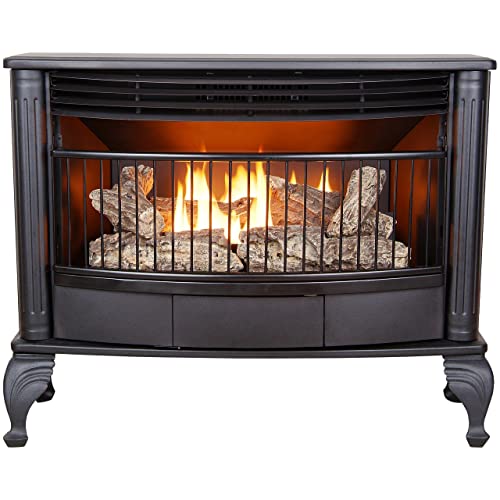
ProCom Ventless 25,000 BTU Space Saving Free Standing Dual Fuel Fireplace with Built In Thermostat Control Heats up to 1,100 Square Feet, Black
Check price on Amazon
Pleasant Hearth VFS2-PH30DT 30,000 BTU 32" Intermediate Gas vent free stove, Black
Check price on Amazon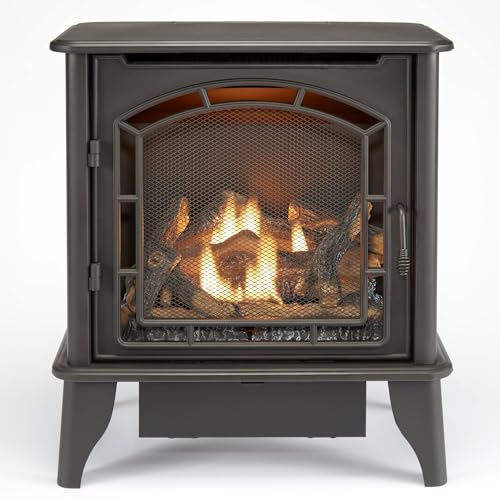
Bluegrass Living Panorama Vent Free Dual Fuel 3-Sided Gas Stove - 23,000 BTU, Remote Control, Black Finish - Model# BTSD23RT
Check price on Amazon
Duluth Forge Dual Fuel Ventless Gas Stove - 26,000 BTU, Remote Control, Matte Black Finish - Model# FDSR25
Check price on Amazon
Duluth Forge Dual Fuel Ventless Gas Stove - 26,000 BTU, Remote Control, Matte Black Finish - Model# FDSR25
Check price on Amazon
ProCom Dual Fuel Ventless Gas Fireplace System - 10,000 BTU, T-Stat Control, Apple Spice Finish - Model# FS100T-3AS
Check price on Amazon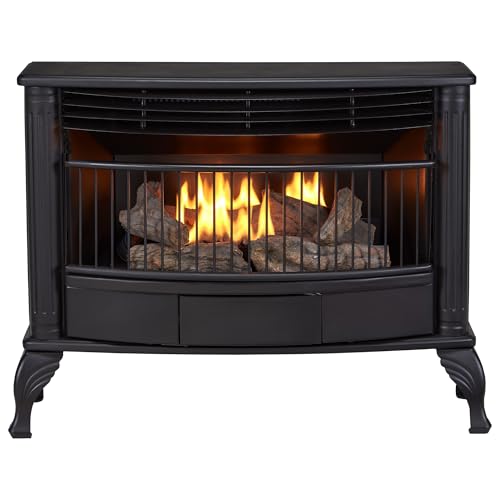
ProCom Ventless Dual Fuel Gas Stove - 25,000 BTU, Remote Control, Black Finish - Model# QNSD250RT
Check price on Amazon
Comfort Glow Dual Fuel Walnut Vent Free Gas Fireplace, 26,000 BTU GFD3810T | Natual Gas or Liquid Propane Fireplace, Adjustable Thermostat, Heats up to 900 sq ft Area, Electronic Spark Ignition, ODS
Check price on AmazonDisclaimer
Some content on this site is created with the help of AI. All information is provided for educational purposes only, not as professional advice. We are not responsible for any losses that may arise from the use of this information. By accessing this site, you agree to waive your right to bring legal claims against us related to the use of the information provided. If you do not agree, please leave this site. Read more.