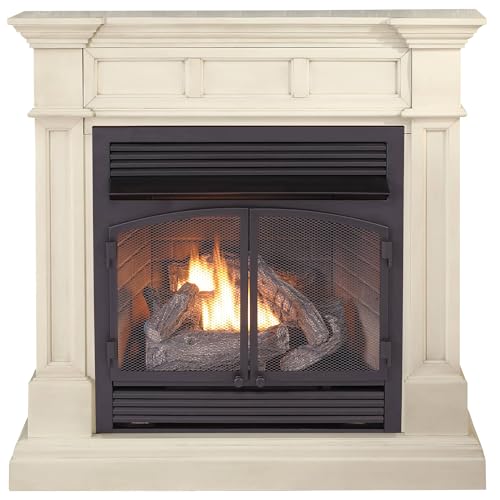
Are you looking to add warmth and ambiance to a room without sacrificing valuable floor space? A corner ventless gas fireplace might be the perfect solution. These innovative units are designed to fit snugly into a corner, transforming an often-underutilized area into a stunning focal point. They offer the beauty and heat of a traditional fireplace without the need for a chimney or external venting, making them incredibly versatile for modern homes, apartments, and renovations.
This guide will walk you through everything you need to know before you buy a corner ventless gas fireplace. We'll cover how they work, the different types available, safety considerations, and key features to look for. By the end, you'll be confident in choosing the right model for your home.
What is a Corner Ventless Gas Fireplace?
A corner ventless gas fireplace, also known as a vent-free gas fireplace, is a self-contained heating appliance that burns natural gas or propane. Unlike traditional fireplaces that require a chimney or a direct vent to the outside, ventless models are designed to burn fuel so efficiently that they produce very low levels of emissions. These units are typically installed in a corner and can be either built-in or freestanding.
The primary appeal is their flexibility. You don't need an existing chimney or a complex venting system, which can significantly reduce installation complexity and cost. They are a popular choice for adding a fireplace to a living room or any room where a traditional fireplace isn't feasible. When considering installation, it's helpful to understand the differences outlined in our fireplace installation guide.
How Do Ventless Gas Fireplaces Work?
These fireplaces operate on a principle of near-complete combustion. They burn gas to create a flame, and the heat is transferred into the room through a heat exchanger or directly from the flames and ceramic logs. The key is that the combustion is so efficient that the byproducts (mostly water vapor and carbon dioxide) are vented directly into the room in very small, safe amounts.
Because they don't lose heat up a chimney, ventless fireplaces are often considered highly efficient. However, they do require a certain amount of fresh air for proper combustion. Most manufacturers include an Oxygen Depletion Sensor (ODS) pilot light that automatically shuts off the gas if oxygen levels in the room drop below a safe threshold. This is a critical safety feature. For a broader understanding of heating power, see our fireplace heating capacity BTU guide.
Benefits of Choosing a Corner Ventless Gas Fireplace
- Space-Saving Design: They fit perfectly into unused corners, freeing up wall space for furniture or artwork. This is ideal for small spaces and apartments.
- No Chimney or Venting Required: This simplifies installation and makes them suitable for almost any room. It also eliminates the need for a chimney cleaning guide.
- High Efficiency: Nearly all the heat they produce stays in the room, making them a good choice for supplemental heating. You can compare this to other options using our most energy-efficient fireplace types guide.
- Cost-Effective Installation: With no need for expensive venting or chimney work, the initial setup is often more straightforward. For a detailed breakdown of what to expect, see our fireplace cost breakdown.
- Convenience: Many models offer remote control operation and thermostatic temperature control, allowing you to adjust the heat and flame with ease. This is a big step up from a manual vs remote-controlled fireplace.
Types of Corner Ventless Gas Fireplaces
When shopping for a corner ventless gas fireplace, you'll encounter a few main types:
1. Built-in Corner Fireplaces
These are designed to be installed into a wall, often with a frame and a surround that can be customized. They provide a clean, integrated look. You might consider a zero-clearance direct vent gas fireplace for a more traditional venting option, but a ventless built-in offers more flexibility.
2. Freestanding Corner Fireplaces
These look like stoves or cabinets and can be placed directly into a corner without any structural changes. They are an excellent choice for renters or those who want a portable heating solution. A freestanding ventless gas fireplace with blower can be a great option for better heat distribution.
3. Corner Gas Log Sets
If you already have a non-functioning wood-burning fireplace in a corner, you can convert it with a ventless gas log set. This is a cost-effective way to update an existing fireplace without the expense of a full conversion. You can learn more about this by checking out our ventless gas fireplace logs with remote page.
Key Features to Look For
- BTU Output: This determines how much heat the fireplace produces. Choose a model with a BTU rating appropriate for the size of your room. Our guide on how to size a fireplace can help you calculate this.
- Ignition Type: Options include a standing pilot light (always on) or an electronic ignition (battery or millivolt). Electronic ignition is more energy-efficient as it doesn't waste gas when the fireplace is off.
- Thermostat & Remote Control: A thermostat allows the fireplace to maintain a consistent room temperature. A remote control adds convenience. You can read more about these in our fireplace thermostat guide.
- Blower: A blower fan helps circulate warm air throughout the room, improving heating efficiency. This is a common feature on many free-standing gas fireplaces with a blower.
- Safety Features: Ensure the model has an Oxygen Depletion Sensor (ODS) and an automatic shut-off in case of a flameout. Always follow the manufacturer's instructions for safe operation. Our articles on carbon monoxide signs from a fireplace and leaving a fireplace on overnight provide essential safety information.
Installation and Safety Considerations
While ventless fireplaces are easier to install than their vented counterparts, they are not a casual DIY project. Proper installation is critical for safety and performance. You must adhere to the manufacturer's clearances to combustible materials. Because they use indoor air for combustion, you need to ensure the room has adequate ventilation. Always check local building codes, as some areas have restrictions on ventless heaters.
Regular maintenance is also key. This includes cleaning the logs and glass, and periodically inspecting the ODS pilot. Our gas fireplace maintenance guide offers a detailed schedule. If you ever notice any issues, our fireplace troubleshooting section can help you diagnose common problems, such as when a gas fireplace won't light or a pilot light keeps going out.
Frequently Asked Questions
Are ventless gas fireplaces safe?
Yes, when installed and operated correctly. They are certified by organizations like ANSI and CSA. The built-in ODS system is a key safety feature. However, it's crucial to follow all manufacturer guidelines for ventilation and clearances.
Do I need a chimney or vent for a corner ventless fireplace?
No, that's the main advantage. They do not require a chimney or any external venting, which is why they are so versatile. You can learn more in our article: Do All Fireplaces Need a Chimney?.
Can a ventless gas fireplace heat an entire house?
No, they are primarily designed for zone heating or supplemental heat for a single room or area. For whole-home heating, a central system is required. Check our guide on can a fireplace heat an entire house for more details.
How much does it cost to run a ventless gas fireplace?
The running cost depends on your local gas prices and the BTU output of the unit. While we cannot provide specific price figures, you can find detailed information on daily running costs and electric vs gas running costs in our guides.
Can I install a corner ventless gas fireplace myself?
Installing any gas appliance carries risks. It's highly recommended to hire a licensed professional, especially for connecting the gas line. While some aspects might seem DIY-friendly, the gas connection should always be handled by a qualified technician. See our DIY vs Professional Fireplace Installation guide.