Outdoor Fireplace Under Covered Patio: The Ultimate Guide
Extend your outdoor living season and create a stunning focal point. Learn how to choose, design, and safely use an outdoor fireplace under your covered patio.
An outdoor fireplace under a covered patio transforms a simple outdoor area into a year-round retreat. It provides warmth on cool evenings, a beautiful ambiance, and a natural gathering spot for family and friends. However, choosing and installing a fireplace in a covered space requires careful consideration of safety, ventilation, and design. This guide will walk you through everything you need to know to make an informed decision.
Why a Covered Patio Fireplace? A covered patio offers protection from the elements, allowing you to enjoy your fireplace even in light rain or snow. It also means you need to pay special attention to ventilation and clearance to ensure safety and prevent smoke or heat buildup.
Choosing the Right Fireplace Type for Your Covered Patio
The type of fireplace you choose will depend on your priorities: convenience, ambiance, heating efficiency, or installation complexity. Here are the most suitable options for a covered patio.
1. Gas Outdoor Fireplaces
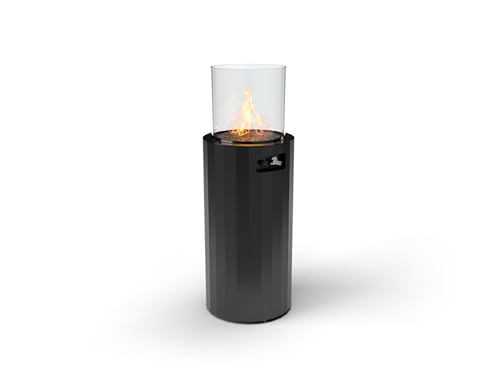
Gas fireplaces are a popular choice for covered patios due to their convenience, clean burn, and instant ambiance. They are available in vented and ventless models. For a covered space, a ventless gas fireplace or a direct vent model is often recommended, as they are designed to operate safely without a traditional chimney. A propane fireplace or natural gas model can be connected to your home's supply. Consider a small gas fireplace for small spaces if your patio is compact.
2. Wood-Burning Outdoor Fireplaces
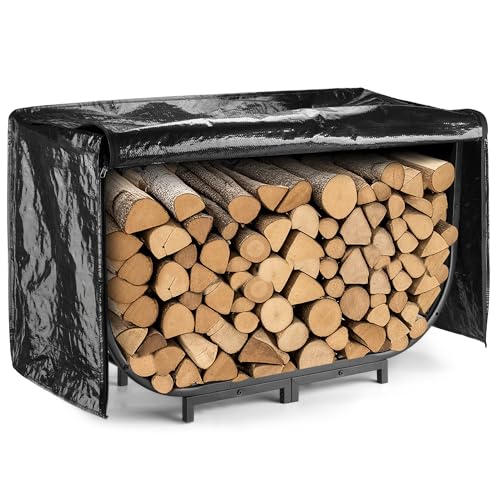
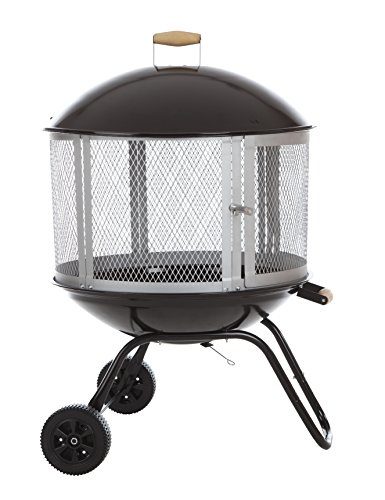
For those who love the traditional crackle and smell of a real fire, a wood-burning fireplace is unmatched. However, in a covered patio, a wood-burning fireplace requires a proper chimney and excellent ventilation to prevent smoke from entering the home. A freestanding wood-burning fireplace with a blower can help distribute heat more effectively. Always check local building codes, as some areas restrict wood-burning appliances in covered spaces.
3. Electric Outdoor Fireplaces
Electric fireplaces are the easiest to install and require no venting, making them a safe and flexible option for covered patios. They provide ambiance and some models offer supplemental heat. Look for an outdoor electric fireplace for a screened porch or patio. While they may not provide the same level of heat as gas or wood, they are perfect for extending the evening ambiance. A portable fireplace heater with remote can be a great temporary or flexible solution.
Design and Placement Considerations for Your Covered Patio
Integrating a fireplace into your covered patio design requires planning to ensure it looks great and functions safely.
- Clearance and Safety: Maintain safe distances from combustible materials like wood framing, furniture, and decor. Refer to your local building codes and the manufacturer's instructions. A fireplace ventilation requirements guide can be helpful.
- Ventilation: For gas and wood-burning units, proper ventilation is critical. Ensure your patio has adequate airflow to prevent smoke and carbon monoxide buildup. Consider a carbon monoxide detector for added safety.
- Focal Point: Position the fireplace as the central focal point of your patio. It can be placed against a wall, in a corner, or even as a room divider. A freestanding stone electric fireplace can make a bold statement.
- Size and Proportion: Choose a fireplace that is proportional to your patio. A massive fireplace in a small space can feel overwhelming. Use our fireplace sizing worksheet to help plan.
- Style: Match the fireplace style to your home's exterior. A contemporary modern fireplace mantel or a rustic fireplace design can set the tone.
Comparison of Outdoor Fireplace Types for Covered Patios
Use this table to quickly compare the key characteristics of each type.
| Feature | Gas Fireplace | Wood-Burning Fireplace | Electric Fireplace |
|---|---|---|---|
| Installation | Moderate (requires gas line) | Complex (requires chimney/vent) | Easy (plug-in or hardwired) |
| Venting | Ventless or Vented | Requires Chimney | No Venting Needed |
| Heat Output | Moderate to High | High | Low to Moderate |
| Ambiance | Realistic Flame | Authentic Fire | Simulated Flame |
| Maintenance | Low | High (ash, chimney) | Very Low |
| Best For | Convenience & Heat | Traditional Experience | Ease & Flexibility |
Safety and Maintenance for Covered Patio Fireplaces
Safety is paramount when operating any fireplace, especially under a covered structure.
- Professional Installation: Always have gas and wood-burning fireplaces installed by a licensed professional. This ensures proper venting and connection.
- Regular Inspections: Schedule annual inspections for gas and wood-burning units. For electric models, a simple electric fireplace inspection of the cord and plug is sufficient.
- Cleaning: Keep the fireplace and surrounding area clean. For gas units, learn how to clean fireplace glass. For wood-burning, regular ash removal and disposal is necessary.
- Clear the Area: Keep furniture, decorations, and other combustible materials at a safe distance. Refer to furniture distance from fireplace guidelines.
- Use a Screen: A fireplace screen or fireplace doors can prevent embers from escaping and protect children and pets.
By following these safety tips and performing regular outdoor fireplace maintenance, you can enjoy your covered patio fireplace safely for years.
Cost and Efficiency Considerations
While we don't discuss specific prices, it's important to understand the long-term costs associated with each type. Gas and wood-burning fireplaces may have higher installation costs due to venting and fuel line requirements. Electric fireplaces are generally the most affordable to install and operate for ambiance, but they may not be as cost-effective for heating a large space. To understand running costs, explore our guide on electric vs gas fireplace running costs. For energy-saving tips, see our fireplace energy saving tips.
Frequently Asked Questions
Can I put a wood-burning fireplace under a covered patio?
Yes, but it requires a properly designed and installed chimney that extends above the roofline to ensure good draft and smoke evacuation. Check local building codes, as some areas have restrictions. A fireplace chimney is essential.
What is the safest type of outdoor fireplace for a covered patio?
Electric fireplaces are generally considered the safest because they produce no smoke, fumes, or open flame, and require no venting. Ventless gas fireplaces are also a safe option when installed and used according to the manufacturer's instructions.
How do I choose the right size fireplace for my covered patio?
Consider the size of your patio and the desired heat output. A fireplace that is too large can overpower the space. Use our fireplace heating capacity BTU guide and fireplace sizing for open concept rooms as a reference.
Do I need a permit to install an outdoor fireplace?
Permit requirements vary by location. It's always best to check with your local building department before purchasing or installing. You can learn more in our guide on fireplace permit requirements.
Can an outdoor fireplace heat my entire patio?
Yes, a well-sized gas or wood-burning fireplace can provide significant heat for a covered patio. However, for an entire house, you would need a different solution. See our article on can a fireplace heat an entire house for more information.
How do I maintain an outdoor fireplace?
Maintenance depends on the type. Electric fireplaces need occasional dusting. Gas fireplaces should be inspected annually. Wood-burning fireplaces require regular ash removal and annual chimney cleaning. Always refer to your owner's manual and our fireplace maintenance schedule.