Freestanding Stone Electric Fireplace: Complete Guide
Discover the perfect blend of natural stone beauty and modern electric convenience. Learn how to choose, place, and maintain a freestanding stone electric fireplace for your home.
START EXPLORINGWhy a Freestanding Stone Electric Fireplace Deserves Your Attention
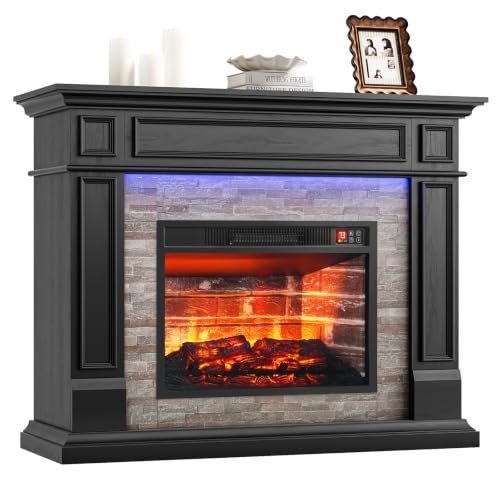
A freestanding stone electric fireplace combines the timeless appeal of natural stone with the plug-and-play convenience of electric heating. Unlike built-in units that require permanent installation, a freestanding model can be placed almost anywhere with a standard outlet, making it an excellent choice for renters, homeowners, and anyone who wants flexibility without sacrificing style.
The stone surround adds texture, warmth, and visual weight that plastic or metal finishes simply cannot match. Whether you prefer the rugged look of stacked slate, the smooth elegance of polished marble, or the rustic charm of fieldstone, there is a freestanding stone electric fireplace to match your interior design vision. If you are still exploring broader options, our electric fireplace guide covers the full spectrum of styles and features.
This guide walks you through everything you need to know: how these fireplaces work, where to place them, what to look for in terms of heating capacity, safety considerations, and maintenance requirements. By the end, you will have a clear picture of whether a freestanding stone electric fireplace is the right fit for your space.
How Freestanding Stone Electric Fireplaces Work
Understanding the technology behind these units helps you make a more informed decision. A freestanding stone electric fireplace typically consists of three main components: the stone surround or cabinet, the electric firebox, and the heating element.
The Stone Surround
The stone exterior is usually made from real stone veneer, cultured stone, or a composite material designed to mimic natural stone. Real stone veneer offers the most authentic look and feel but adds weight. Cultured stone is lighter and more affordable, while composite materials provide the best balance of durability and portability. The surround serves both aesthetic and functional purposes: it frames the firebox, adds thermal mass that can help retain heat, and anchors the unit visually in the room.
The Electric Firebox
The firebox contains the flame effect technology. Most modern units use LED lights and rotating reflectors to create realistic flames that mimic a wood-burning or gas fire. Some premium models include crackling sound effects for added realism. The firebox is typically controlled via remote, touch panel, or smart home integration.
The Heating Element
Electric fireplaces use either infrared quartz or fan-forced heating. Infrared quartz heaters warm objects and people directly, similar to how sunlight works, while fan-forced heaters circulate warm air throughout the room. Most freestanding stone electric fireplaces offer multiple heat settings and a flame-only mode, so you can enjoy the ambiance without heat during warmer months.
For a deeper dive into heating technology, see our guide on infrared vs fan-forced heating.
Key Benefits of Choosing a Stone Electric Fireplace
Freestanding stone electric fireplaces offer a unique combination of advantages that set them apart from other fireplace types. Here is what makes them stand out:
- No Venting or Chimney Required: Unlike wood or gas fireplaces, electric models do not produce smoke, carbon monoxide, or harmful emissions. You can place them in apartments, condos, or rooms without existing chimney infrastructure. Learn more about whether all fireplaces need a chimney.
- Portability and Flexibility: Because they are freestanding, you can move them from room to room or take them with you when you relocate. This makes them ideal for renters or anyone who likes to rearrange their space seasonally.
- Aesthetic Versatility: Stone complements virtually every design style, from rustic farmhouse to sleek contemporary. A stone electric fireplace can serve as a stunning focal point in a living room, bedroom, or even a home office.
- Energy Efficiency: Electric fireplaces convert nearly all the energy they consume into heat, making them highly efficient. They also allow zone heating, so you can warm only the room you are using instead of heating the entire house. Our article on most energy-efficient fireplace types explains this in detail.
- Low Maintenance: There is no ash to clean, no creosote to worry about, and no annual chimney inspection required. A quick dusting and occasional glass cleaning is usually all that is needed. See our electric fireplace maintenance tips for a complete routine.
Popular Styles of Freestanding Stone Electric Fireplaces
The stone surround is what gives each unit its distinctive character. Here are the most common styles you will encounter:
Stacked Stone
Stacked stone, also known as ledger stone, features thin, horizontally stacked pieces of stone that create a modern, linear look. This style works well in contemporary and transitional interiors. It pairs beautifully with minimalist furniture and neutral color palettes.
Fieldstone
Fieldstone offers a more organic, irregular appearance with rounded edges and varied sizes. It evokes the charm of a countryside cottage or a traditional farmhouse. If you love rustic or cottagecore aesthetics, fieldstone is an excellent choice. For more inspiration, explore our rustic fireplace ideas.
Marble and Polished Stone
For a more luxurious feel, some freestanding units use polished marble or other smooth stones. These models tend to be sleeker and more formal, making them suitable for elegant living rooms or master bedrooms. See our marble fireplace ideas for design inspiration.
Cast Stone and Composite
Cast stone and composite materials offer the look of natural stone at a lower weight and often a more accessible price point. These are great options if you plan to move the fireplace frequently or if your flooring cannot support heavy loads. Compare this with built-in vs freestanding fireplaces to understand the trade-offs.
How to Choose the Right Size and Placement
Getting the size and placement right is crucial for both aesthetics and heating performance. Here are the key factors to consider:
Room Size and Heating Capacity
Electric fireplaces are typically rated in BTUs (British Thermal Units). As a general rule, you need about 10 watts of heating power per square foot of space, or roughly 20 BTUs per square foot. Most freestanding electric fireplaces produce between 4,000 and 5,200 BTUs, which is enough to heat a room up to about 400 square feet. For larger spaces, you may need a more powerful unit or a supplemental heat source. Our heating capacity BTU guide walks you through the calculation.
Placement Tips
- Corner Placement: A freestanding stone electric fireplace can be an excellent solution for corners, turning unused space into a cozy focal point. See our corner fireplace ideas for inspiration.
- Against a Flat Wall: If you have a large blank wall, a freestanding unit can anchor the space and provide visual interest. Pair it with a TV or artwork above for a balanced look. Learn about TV above fireplace ideas and safety considerations in our TV placement safety guide.
- Bedroom: A stone electric fireplace can add warmth and ambiance to a bedroom without the safety concerns of an open flame. Explore bedroom fireplace ideas.
- Small Spaces: Freestanding units are ideal for apartments, dorm rooms, and small living areas. Our guide on the best fireplace for small spaces offers more tips.
Clearance and Safety
Always maintain at least three feet of clearance between the fireplace and combustible materials such as curtains, furniture, and bedding. Keep the unit away from high-traffic areas to prevent tipping. If you have pets or small children, consider a model with cool-touch glass and a tip-over safety switch. Our furniture distance guide provides specific recommendations.
Features to Look for in a Freestanding Stone Electric Fireplace
Not all electric fireplaces are created equal. Here are the features that matter most:
| Feature | Why It Matters |
|---|---|
| Adjustable Thermostat | Allows you to set a target temperature and maintain it automatically, improving comfort and energy efficiency. |
| Remote Control | Convenient for adjusting heat and flame settings from across the room. Some models offer smart home integration. |
| Flame-Only Mode | Lets you enjoy the ambiance without heat, which is useful during warmer months. |
| Multiple Flame Colors | Some models offer a choice of flame colors and brightness levels to match your mood or decor. |
| Timer Function | Automatically turns off the unit after a set period, which is a useful safety and energy-saving feature. |
| Cool-Touch Glass | Keeps the front glass safe to touch, reducing the risk of burns for children and pets. |
| Tip-Over Safety Switch | Automatically shuts off the unit if it is tipped over, preventing accidents. |
| Overheat Protection | Shuts down the heater if it gets too hot, preventing damage and fire hazards. |
For more details on remote and smart control options, see our smart Wi-Fi fireplace controller guide and remote control replacement guide.
Installation and Setup: What to Expect
One of the biggest advantages of a freestanding stone electric fireplace is how easy it is to set up. In most cases, you can have it running within minutes of unboxing.
Step-by-Step Setup
- Unbox and Inspect: Check for any damage during shipping. Most units come fully assembled, but some may require attaching legs or a base.
- Choose a Location: Select a spot near a grounded electrical outlet. Avoid placing the unit in direct sunlight or near heat sources.
- Plug In: Connect the power cord to a standard 120V outlet. Avoid using extension cords if possible; if you must, use a heavy-duty cord rated for the unit's wattage. See our extension cord guide for safety tips.
- Test the Functions: Turn on the flame effect and heater to ensure everything works properly.
- Adjust Settings: Use the remote or control panel to set your preferred flame brightness, heat level, and timer.
For a more detailed walkthrough, see our plug-and-play electric fireplace installation guide.
Electrical Requirements
Most freestanding electric fireplaces run on standard household current (120 volts, 15 amps). However, some high-output models may require a dedicated circuit. Check the manufacturer's specifications before plugging in a high-wattage unit. If you are unsure about your home's electrical capacity, consult a licensed electrician. Our article on electric fireplaces tripping breakers explains what to do if you encounter issues.
Maintenance and Care for Long-Lasting Performance
Freestanding stone electric fireplaces are relatively low-maintenance, but a little care goes a long way toward keeping them looking and working their best.
Routine Cleaning
- Stone Surround: Dust the stone surface regularly with a soft, dry cloth. For deeper cleaning, use a mild stone cleaner or a mixture of water and mild dish soap. Avoid acidic or abrasive cleaners that can damage the stone. See our guide on how to clean fireplace brick and stone.
- Glass Front: Clean the glass with a non-ammonia glass cleaner and a lint-free cloth. Avoid spraying liquid directly onto the glass; spray onto the cloth first. Our fireplace glass cleaning guide has more tips.
- Interior Components: Dust the heating vents and fan area with a vacuum brush attachment every few months to prevent dust buildup, which can affect performance and create odors. See our electric fireplace cleaning guide.
Seasonal Maintenance
Before the heating season begins, inspect the power cord for damage, test the heater and flame functions, and clean any dust from the unit. When the heating season ends, unplug the unit, clean it thoroughly, and cover it with a dust sheet if it will be stored for an extended period. Our seasonal maintenance checklist and summer fireplace care guide provide detailed routines.
Common Issues and Troubleshooting
Even the most reliable electric fireplaces can encounter occasional issues. Here are some common problems and their solutions:
- Fireplace Not Heating: Check that the thermostat is set higher than the room temperature, and ensure the heater switch is turned on. If the unit still does not heat, the heating element may need replacement. See our electric fireplace not heating guide.
- Flame Not Working: If the flame effect stops working but the heat still functions, the LED bulb or flame motor may need replacement. Our flame not working guide explains the repair process.
- Remote Control Not Working: Replace the batteries first. If that does not help, try resetting the remote or the fireplace itself. See our remote control troubleshooting guide.
- Buzzing Noise: A buzzing or humming noise is often caused by a loose fan blade or debris in the fan housing. Our buzzing noise guide walks you through the diagnosis.
- Tripping the Breaker: This usually indicates that the circuit is overloaded. Try plugging the fireplace into a different circuit or consult an electrician. See our breaker tripping guide.
For a comprehensive list of issues and fixes, visit our fireplace troubleshooting hub and electric fireplace inspection guide.
Safety Considerations for Freestanding Electric Fireplaces
Electric fireplaces are generally safer than wood or gas models, but they still require sensible precautions:
- Do Not Use Extension Cords Long-Term: If you must use an extension cord, choose a heavy-duty model and avoid running it under rugs or furniture. See our extension cord safety guide.
- Keep Flammable Materials Away: Maintain at least three feet of clearance around the unit. Do not place curtains, blankets, or paper products near the heater.
- Supervise Children and Pets: Even with cool-touch glass, the heater vents can become warm. Keep small children and pets away from the unit when it is in use.
- Do Not Leave Unattended for Extended Periods: While electric fireplaces are safe to leave on overnight, it is always best to turn them off when you leave the house or go to sleep. See our guide on leaving a fireplace on overnight and sleeping with a fireplace on.
- Carbon Monoxide: Electric fireplaces do not produce carbon monoxide, so you do not need a CO detector for this appliance. However, if you have other fuel-burning appliances, keep a CO detector in the home. Learn more in our electric fireplace carbon monoxide guide.
Ready to Find Your Perfect Freestanding Stone Electric Fireplace?
Explore our curated selection of top-rated models, chosen for their style, performance, and value.
View Recommended FireplacesFrequently Asked Questions
Do freestanding stone electric fireplaces really heat a room?
Yes, most models produce between 4,000 and 5,200 BTUs, which is enough to heat a room up to about 400 square feet. They work best as supplemental heat sources or for zone heating. For larger spaces, you may need a more powerful unit. See our guide on whether electric fireplaces heat a room.
Can I place a freestanding stone electric fireplace on carpet?
Yes, but you should place it on a stable, flat surface. If the carpet is thick or uneven, consider placing a fire-resistant hearth pad or a piece of plywood underneath to prevent tipping and ensure proper airflow. Always check the manufacturer's recommendations.
How heavy are freestanding stone electric fireplaces?
Weight varies depending on the materials used. Real stone veneer units can weigh over 100 pounds, while composite or cultured stone models may weigh 40 to 60 pounds. Check the product specifications and ensure your floor can support the weight. If you plan to move it frequently, a lighter composite model is a better choice.
Do I need a permit to install a freestanding electric fireplace?
In most cases, no permit is required because there is no venting, gas line, or structural modification involved. However, some jurisdictions may have specific requirements. Check with your local building department if you are unsure. See our fireplace permit requirements guide.
Can I use a freestanding stone electric fireplace in an apartment?
Yes, electric fireplaces are ideal for apartments because they do not require venting or gas lines. They are also portable, so you can take them with you when you move. See our apartment fireplace installation guide.
How long do freestanding stone electric fireplaces last?
With proper care, a quality electric fireplace can last 10 to 20 years. The heating element may need replacement after several years of regular use, but the flame effect LEDs often last much longer. See our fireplace lifespan guide.
Final Thoughts: Is a Freestanding Stone Electric Fireplace Right for You?
A freestanding stone electric fireplace is an excellent choice for anyone who wants the beauty of natural stone, the convenience of electric operation, and the flexibility of a portable unit. It is ideal for renters, apartment dwellers, homeowners looking to add supplemental heat and ambiance, and anyone who wants a focal point that can be moved or rearranged as their needs change.
When choosing a model, consider the stone style, heating capacity, safety features, and available controls. Think about where you will place it and how much space you need to heat. With the right unit, a freestanding stone electric fireplace can provide years of warmth, comfort, and visual appeal.
For more guidance, explore our fireplace buying guide, which fireplace is right for your home, and electric vs gas running costs to make a fully informed decision.