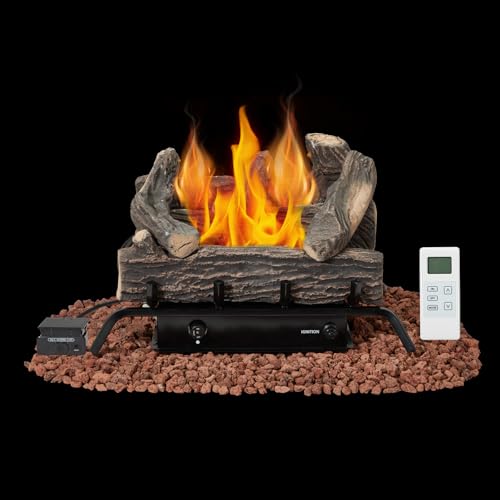
Natural Gas Fireplace Insert with Remote: Complete Buyer's Guide
Everything you need to know about choosing, installing, and living with a remote-controlled natural gas insert — efficiency, venting, BTU sizing, and top features.
On This Page
Why a Remote Control Matters on a Natural Gas Insert
A natural gas fireplace insert with remote combines the realism of a traditional fire with modern convenience. Instead of kneeling to turn a knob or manually lighting a pilot, you can adjust flame height, heat output, and even set a thermostat schedule from across the room. For many homeowners, the remote is not just a luxury — it is a practical safety and comfort feature that makes daily use far more enjoyable.
Remote systems vary widely. Entry-level models typically include a simple on/off handset, while mid-range and premium inserts often feature thermostatic remotes, programmable timers, and smart-home compatibility. If you are still exploring fuel types, our electric vs gas vs wood comparison can help clarify whether natural gas is the right fit for your home. For a broader overview of insert categories, see the fireplace buying guide.
How a Natural Gas Fireplace Insert Works
A natural gas insert is a self-contained appliance designed to fit inside an existing masonry or prefabricated fireplace opening. It connects to your home's natural gas line and uses a sealed combustion chamber to produce a controlled flame. The remote control communicates with a receiver module that manages the gas valve, ignition, and often a blower fan.
Most modern inserts use electronic ignition rather than a standing pilot, which saves energy when the fireplace is off. The remote can typically control:
- On/off operation
- Flame height (low, medium, high)
- Thermostat setpoint (for models with thermostatic remotes)
- Blower fan speed (on models with integrated blowers)
- Programmable timers and schedules
Understanding the basic anatomy of a fireplace helps when comparing models. Our beginner's guide to fireplaces covers the fundamentals, while the types of fireplaces explained article dives into how gas units differ from electric and wood-burning options.
Venting Options: Vented vs. Ventless vs. Direct Vent
The venting method is one of the most important decisions when selecting a natural gas insert. It affects installation complexity, indoor air quality, and local code compliance.
| Venting Type | How It Works | Best For | Considerations |
|---|---|---|---|
| Vented (B-Vent) | Uses the existing chimney or a vertical liner to exhaust combustion byproducts. | Homes with a functional masonry chimney. | Requires a chimney liner; less efficient than direct vent. |
| Direct Vent | Sealed combustion; pulls outside air for combustion and exhausts through a coaxial pipe. | Most modern installations; high efficiency and indoor air quality. | Can vent horizontally through an exterior wall; slightly higher upfront cost. |
| Ventless (Vent-Free) | No chimney or flue; burns gas and releases heat directly into the room. | Rooms where venting is impossible; supplemental heat. | Not permitted in all states; requires strict adherence to clearances and may add moisture indoors. |
If you already have a wood-burning fireplace, converting to gas is a popular upgrade. Our article on replacing a wood fireplace with a gas insert walks through the process. For ventless-specific guidance, see ventless gas fireplace insert with blower and remote.
Efficiency Ratings and BTU Sizing
Efficiency and heating capacity are two of the most practical specs to compare. Natural gas inserts are generally more efficient than traditional open wood fireplaces because they control combustion and reduce heat loss up the chimney.
Efficiency Ratings
Look for the AFUE (Annual Fuel Utilization Efficiency) rating or the steady-state efficiency listed by the manufacturer. High-end direct vent inserts can reach 85–90% efficiency, while older or lower-tier models may be closer to 70%. Higher efficiency means more heat stays in your room and less escapes through the vent.
BTU Output and Room Size
BTU (British Thermal Unit) input determines how much heat the insert can produce. A common rule of thumb for supplemental heating is roughly 20–30 BTU per square foot, depending on climate and insulation. For example:
| Room Size | Suggested BTU Range | Typical Use Case |
|---|---|---|
| Up to 300 sq ft | 10,000–20,000 BTU | Bedroom, small den, supplemental heat. |
| 300–600 sq ft | 20,000–30,000 BTU | Living room, open dining area. |
| 600–1,000 sq ft | 30,000–40,000 BTU | Large living room, open-concept space. |
For a deeper dive into sizing, see our heating capacity and BTU guide and the how to size a fireplace article. If you want to know whether a fireplace can heat an entire house, read can a fireplace heat an entire house?
Key Features to Compare Across Tiers
Not all remote-controlled inserts are created equal. The table below outlines what you can typically expect at different quality tiers. We use universal descriptors—entry-level, mid-range, and premium—rather than prices, so this guide stays useful for years.
| Feature | Entry-Level | Mid-Range | Premium |
|---|---|---|---|
| Remote Type | Basic on/off | Thermostatic remote | Programmable / smart-home |
| Flame Control | Single or two-stage | Multi-stage flame height | Variable flame with memory |
| Blower | Not included or basic | Variable-speed blower | Whisper-quiet, high-output blower |
| Efficiency | ~70–75% | ~75–85% | ~85–90% |
| Ignition | Standing pilot or basic electronic | Electronic ignition | Electronic ignition with battery backup |
| Materials & Finish | Standard steel, basic log set | Cast iron or heavy steel, realistic logs | Premium materials, hand-painted logs, designer options |
If you are specifically looking for a unit with a blower, see natural gas fireplace insert with blower and ventless gas insert with blower and remote. For thermostat-enabled models, gas fireplace insert with blower and thermostat is a good next read.
Installation and Requirements
Installing a natural gas insert is not a typical DIY project. It involves running a gas line, ensuring proper venting, and meeting clearances to combustible materials. Most homeowners hire a licensed professional, but understanding the process helps you plan.
What You Will Need
- Gas line: A dedicated natural gas line with a shutoff valve near the insert.
- Electrical outlet: Many inserts with blowers or electronic ignition require a nearby outlet.
- Venting: Either a chimney liner for vented models or a direct vent kit that terminates outdoors.
- Clearances: Adequate space from mantels, trim, and furniture. Refer to the manufacturer's manual and local codes.
- Permits: Often required for gas appliance installation. Check with your local building department.
For a step-by-step overview, see the fireplace installation guide and gas fireplace installation requirements. If you are replacing an existing wood insert, gas fireplace insert for wood-burning fireplace covers the specifics. For cost considerations without prices, fireplace cost breakdown explains the factors that influence installation complexity.
Pros and Cons of Natural Gas Inserts with Remote
✅ Pros
- Convenient remote operation for flame and heat
- High efficiency compared to open fireplaces
- Clean-burning natural gas with low emissions
- Consistent, controllable heat output
- Realistic flame appearance with ceramic logs
- Can be thermostatically controlled for energy savings
- Adds ambiance and supplemental warmth to a room
❌ Cons
- Requires a natural gas line and professional installation
- Vented models need a chimney or direct vent kit
- Ventless models may be restricted by local codes
- Higher upfront cost than electric inserts
- Annual maintenance recommended for safety and efficiency
- Not designed to replace a whole-house heating system
For a broader comparison of fuel types, including electric and wood, see pros and cons of each fireplace type and which fireplace is right for your home?
Maintenance and Safety Essentials
Natural gas inserts are relatively low-maintenance, but regular care ensures safe operation and peak efficiency. Key tasks include:
- Annual inspection: Have a qualified technician inspect the burner, venting, and gas connections. See annual fireplace inspection guide and gas fireplace inspection points.
- Cleaning: Dust the vents and clean the glass with a non-ammonia cleaner. See how to clean fireplace glass and how to clean a gas fireplace burner.
- Battery replacement: Remote receivers and thermostats often use batteries. Replace them annually or as needed.
- Vent check: Ensure the vent termination is clear of debris, snow, or bird nests.
- Carbon monoxide detector: Install and test a CO detector near the fireplace. See signs of carbon monoxide from fireplace.
For a full seasonal checklist, see seasonal maintenance checklist and gas fireplace maintenance guide. If you ever smell gas, leave the area and contact your gas provider immediately — see gas fireplace smells like gas?
Frequently Asked Questions
What is a natural gas fireplace insert with remote?
It is a self-contained gas appliance that fits into an existing fireplace opening. The remote control allows you to turn the unit on and off, adjust flame height, and often control a blower or thermostat without leaving your seat.
Do natural gas inserts need a chimney?
Most vented models use the existing chimney with a liner. Direct vent models can vent horizontally through an exterior wall. Ventless models do not require a chimney but are not permitted everywhere. See do fireplaces need a chimney? for details.
How efficient are natural gas fireplace inserts?
Modern units range from about 70% to 90% efficiency. Direct vent inserts tend to be the most efficient because they use outside air for combustion and seal off the room from exhaust gases.
Can a natural gas insert heat a whole house?
No. A natural gas insert is designed for zone heating or supplemental warmth. For whole-home heating, a central furnace is more appropriate. See can a fireplace heat an entire house?
Is it safe to leave a gas fireplace insert on overnight?
Many modern inserts are designed for extended use, but you should always follow the manufacturer's guidelines. For safety tips, read can you leave a fireplace on overnight? and is it safe to sleep with a fireplace on?
What maintenance does a natural gas insert require?
Annual professional inspection, regular glass cleaning, battery replacement in remotes, and keeping the vent clear. See gas fireplace maintenance guide for a full checklist.
Final Thoughts: Choosing the Right Natural Gas Insert with Remote
A natural gas fireplace insert with remote offers a compelling blend of convenience, efficiency, and ambiance. When comparing models, focus on venting type, BTU output, efficiency rating, and the quality of the remote system. Entry-level units provide basic control, while mid-range and premium models add thermostatic remotes, variable blowers, and more realistic flames.
Before you buy, verify local codes, measure your fireplace opening, and confirm that a gas line is available. If you are still weighing fuel types, revisit our electric vs gas vs wood comparison and types of fireplaces explained.
Ready to Explore Remote-Controlled Gas Inserts?
Browse our recommended models below. Each listing includes key features to help you compare at a glance.
View Recommended Models ↓