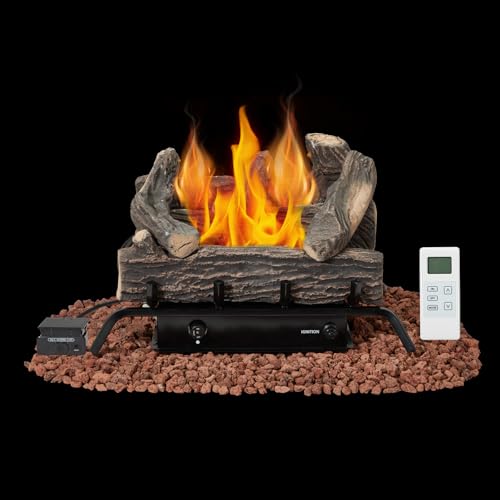
Replacing Wood Fireplace with Gas Insert
Everything you need to know about converting your wood-burning fireplace to a gas insert — efficiency, installation, costs, and top recommendations for a cleaner, more convenient home heating solution.
Start Your ResearchWhy consider a gas insert? If you love the ambiance of a real fire but dislike the mess, smoke, and inefficiency of a traditional wood-burning fireplace, a gas insert is the modern solution. This guide will walk you through every step of replacing your wood fireplace with a gas insert, from understanding the benefits to choosing the right model for your home.
Why Replace a Wood Fireplace with a Gas Insert?
A traditional wood-burning fireplace is charming, but it often loses more heat than it produces. According to energy experts, an open wood fireplace can send up to 90% of its heat up the chimney. A gas fireplace insert is designed to be a sealed, efficient heating appliance that fits into your existing fireplace opening.
Switching to a gas insert offers several compelling advantages:
- Higher Efficiency: Gas inserts can achieve efficiency ratings of 70% to 90%, compared to the 10% to 30% of an open wood fireplace. This means more heat for your home and less waste.
- Convenience: No more hauling wood, cleaning ashes, or dealing with chimney smoke. You can start a fire with a remote control or a wall switch.
- Cleaner Air: Gas inserts burn much cleaner than wood, producing fewer pollutants and no creosote buildup.
- Safety: Sealed combustion systems in modern gas inserts prevent smoke and carbon monoxide from entering your living space.
- Design Versatility: Gas inserts come in a wide range of styles, from modern linear designs to traditional log sets, allowing you to update your home's look.
If you're still undecided, you might want to compare the broader categories in our electric vs gas vs wood fireplace comparison or review the pros and cons of each fireplace type.
Types of Gas Inserts for Your Existing Fireplace
Not all gas inserts are the same. Your choice will depend on your existing chimney structure, your home's ventilation, and your heating needs. Here are the main types:
1. Direct Vent Gas Inserts
Direct vent inserts are the most popular choice for replacements. They use a sealed double-pipe system that draws outside air for combustion and vents exhaust gases directly outside. This means they do not use your existing chimney for exhaust, which is a huge advantage if your chimney is damaged or unlined. They are highly efficient and safe. You can find models like a direct vent gas fireplace insert with blower that distribute heat effectively.
2. Natural Vent (B-Vent) Gas Inserts
These inserts use your existing chimney to vent exhaust gases. They rely on the natural draft of your chimney. If your chimney is in good condition and properly lined, a B-vent insert can be a cost-effective option. However, they are generally less efficient than direct vent models because they draw heated room air for combustion. For a more efficient setup, consider a natural gas fireplace insert with blower.
3. Ventless (Vent-Free) Gas Inserts
Ventless inserts do not require any venting at all. They burn gas so cleanly that the exhaust is considered safe to release into the room. However, they produce moisture and require specific clearances. They are often used in homes where venting is impossible, such as apartments. Always check local building codes before choosing a ventless fireplace option. You can also explore ventless gas fireplace inserts with blower and remote for added convenience.
The Installation Process: What to Expect
Replacing a wood fireplace with a gas insert is a significant project. While some aspects are DIY-friendly, the gas connection and venting are best left to professionals. Here’s a step-by-step overview:
| Step | Description | Professional Needed? |
|---|---|---|
| 1. Inspection & Measurement | Measure your existing fireplace opening (width, height, depth) and inspect the chimney and gas line availability. | Recommended |
| 2. Chimney Preparation | For direct vent, a new vent pipe is run through the chimney. For B-vent, the chimney must be cleaned and lined. | Yes |
| 3. Gas Line Installation | A licensed plumber runs a gas line to the fireplace location if one doesn't exist. | Yes (Licensed) |
| 4. Insert Placement | The gas insert is slid into the fireplace opening and connected to the gas line and venting. | Yes |
| 5. Finishing & Testing | Surround panels, mantels, and facing are installed. The system is tested for leaks and proper operation. | Yes |
For a detailed breakdown of requirements, see our guide on gas fireplace installation requirements. If you're wondering whether you can do it yourself, read our article on DIY vs professional fireplace installation.
Choosing the Right Size and Efficiency
Gas inserts are rated by their heating capacity in BTUs (British Thermal Units). Choosing the right size is crucial for comfort and efficiency. An oversized insert will cycle on and off frequently, while an undersized one won't heat your space adequately.
A general rule of thumb is to match the BTU output to your room's square footage and insulation level. For a detailed calculation, use our fireplace heating capacity BTU guide or our how to size a fireplace article.
Efficiency is another key factor. Look for inserts with high Annual Fuel Utilization Efficiency (AFUE) ratings. Modern direct vent inserts are among the most energy-efficient fireplace types available. If you're concerned about operating costs, our article on electric vs gas fireplace running costs provides a helpful comparison.
Understanding the Investment
The total investment for replacing a wood fireplace with a gas insert involves several components: the insert itself, venting materials, labor, and potentially a new gas line. While we don't list specific prices, you can categorize the overall project into tiers:
- Entry-Level: Basic B-vent inserts with standard features. Suitable for occasional use and smaller spaces.
- Mid-Range: Direct vent inserts with blowers, remote controls, and more realistic flame patterns. A popular choice for primary heating.
- Premium: High-efficiency models with advanced features like modulating thermostats, multi-speed blowers, and designer surrounds.
- Luxury: Custom-designed inserts with see-through or double-sided configurations, often used as a focal point in high-end homes.
For a deeper dive into the financial aspects, explore our fireplace cost breakdown, cost of installing a gas fireplace insert, and cost of converting a wood-burning fireplace to gas. You can also read about the hidden costs of owning a fireplace.
Maintenance and Troubleshooting After Conversion
Once your gas insert is installed, maintenance is minimal compared to a wood fireplace. However, regular care ensures safety and longevity.
- Annual Inspection: Have a professional inspect the insert, venting, and gas connections yearly. See our annual fireplace inspection guide and gas fireplace inspection key points.
- Cleaning: Clean the glass and burner periodically. Our guides on how to clean fireplace glass and how to clean a gas fireplace burner are helpful.
- Common Issues: If the pilot light goes out, the flame is weak, or you smell gas, consult our fireplace troubleshooting section. Specific articles like gas fireplace won't light and pilot light keeps going out can guide you.
For a complete maintenance schedule, see our gas fireplace maintenance guide and monthly and yearly maintenance schedule.
Frequently Asked Questions
Can I replace my wood fireplace with a gas insert myself?
While the physical placement might seem straightforward, connecting gas lines and ensuring proper venting are tasks that require licensed professionals. Improper installation can lead to serious safety hazards, including carbon monoxide leaks. We strongly recommend hiring a certified technician. See our DIY vs professional installation guide for more details.
Do I need a chimney for a gas insert?
It depends on the type. Direct vent inserts can use a flexible liner inside your existing chimney or vent directly through a wall. Ventless inserts need no chimney at all. B-vent inserts require a functional chimney. Learn more in our article do fireplaces need a chimney.
How efficient is a gas insert compared to a wood fireplace?
Gas inserts are significantly more efficient. A traditional open wood fireplace is about 10-30% efficient, while a modern gas insert can be 70-90% efficient. This means you get much more heat from the same amount of fuel. Explore our most energy-efficient fireplace types for more information.
Will a gas insert heat my whole house?
A single gas insert is typically designed to heat a specific area, such as a living room or open-concept space. While some high-capacity models can contribute to whole-home heating, they are not a replacement for a central HVAC system. See our article can a fireplace heat an entire house for a detailed explanation.
What is the lifespan of a gas fireplace insert?
With proper maintenance, a quality gas insert can last 15 to 20 years or more. Regular servicing and timely replacement of worn parts can extend its life. Read our guide on fireplace lifespan for more insights.
Ready to Make the Switch?
Explore our recommended gas inserts below to find the perfect fit for your home. These models are selected for their efficiency, reliability, and design.
View Recommended Gas Inserts