Natural Gas Freestanding Fireplace: The Complete Guide
Discover the freedom of a natural gas freestanding fireplace. Learn how these versatile heating solutions combine the charm of a traditional stove with the convenience of clean-burning natural gas, offering flexible placement and reliable warmth for any room.
Start ExploringWhy Choose Freestanding? Unlike built-in units, a freestanding natural gas fireplace can be placed almost anywhere with proper venting or ventless technology. This guide will walk you through everything you need to know before making a purchase.
What Is a Natural Gas Freestanding Fireplace?
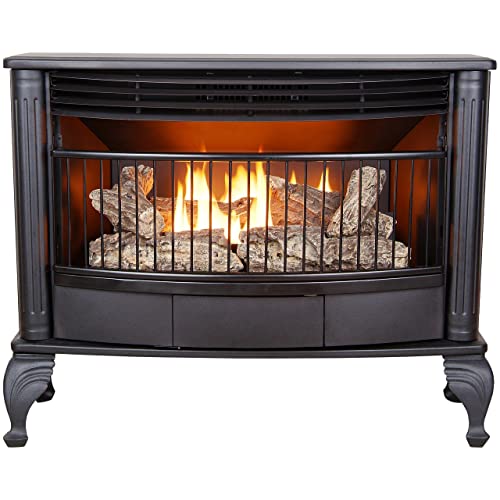
A natural gas freestanding fireplace is a self-contained heating appliance that operates on natural gas and stands independently in your room, rather than being recessed into a wall. These units often resemble traditional wood stoves but offer the convenience of a gas connection. They are an excellent choice for homeowners who want the aesthetic of a stove without the hassle of hauling wood or cleaning ashes. For a broader overview of how these units compare to other styles, see our guide on built-in vs freestanding fireplaces.
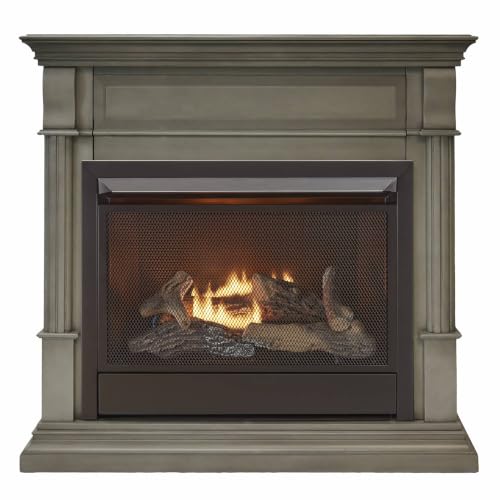
Because they are freestanding, these fireplaces can be installed in spaces where a traditional masonry fireplace would be impossible or impractical. They are a popular solution for adding a fireplace to a room without a chimney, especially when using ventless or direct-vent models. This flexibility makes them ideal for renovations, basements, and open-concept living areas.
Types of Natural Gas Freestanding Fireplaces
Not all freestanding gas fireplaces are the same. The primary difference lies in how they vent exhaust gases. Understanding this is crucial for installation and safety.
1. Ventless (Vent-Free) Models
Ventless models are designed to burn natural gas so cleanly that they do not require an external vent or chimney. They are highly efficient, as nearly all the heat they produce stays in the room. However, they do release some moisture and require proper room ventilation. If you are considering this type, it's important to understand the safety aspects; our article on are electric fireplaces safe provides a useful comparison for general safety considerations, though ventless gas units have their own specific guidelines. For installation requirements, see our guide on gas fireplace installation requirements.
2. Direct-Vent Models
Direct-vent fireplaces are sealed combustion systems. They draw air from outside for combustion and exhaust gases directly outdoors through a horizontal or vertical vent. This makes them very safe and efficient, and they do not deplete indoor oxygen. They are a great choice for tightly sealed, modern homes. You can learn more about this in our do you need a chimney or vent for a fireplace guide.
3. Natural Vent (B-Vent) Models
These units use a vertical vent to draw air from the room and exhaust gases upward, similar to a traditional chimney. They are less common for freestanding units today, as direct-vent and ventless models offer greater installation flexibility. If you are replacing an old unit, you might be interested in our article on converting a wood fireplace to a gas fireplace.
Key Benefits of a Freestanding Natural Gas Fireplace
- Installation Flexibility: Place it in a corner, against a wall, or even as a room divider, as long as venting and gas line requirements are met.
- Convenience: No wood to chop, no ashes to clean, and no pellets to store. You get instant, controllable heat with the push of a button or a thermostat.
- Efficiency: Many modern units are highly efficient, with some ventless models approaching 99% efficiency. This can translate to significant energy savings. See our guide on most energy-efficient fireplace types for more details.
- Aesthetic Appeal: They add a cozy, traditional focal point to any room, often with realistic logs and flames that mimic a wood-burning fire.
- Zone Heating: You can heat only the room you are using, rather than warming the entire house. This is a key advantage discussed in our can a fireplace heat an entire house article.
Sizing Your Freestanding Gas Fireplace: BTU & Room Fit
Choosing the right size is critical. A unit that is too small won't heat your space effectively, while one that is too large will be uncomfortable and inefficient. The key metric is BTU (British Thermal Units).
As a general rule, you need roughly 20 BTUs for every square foot of living space in a well-insulated home. However, this can vary based on climate, ceiling height, and insulation quality. For a detailed breakdown, refer to our fireplace heating capacity BTU guide and how to size a fireplace. You can also use our fireplace sizing worksheet to help with your calculations.
When selecting a freestanding unit, consider its physical dimensions as well. It should fit your space without blocking traffic flow, and its heat output should be appropriate for the room's size. For smaller rooms, a lower BTU unit is often sufficient, as discussed in our best fireplace for small spaces guide.
Installation and Venting Requirements
Installing a natural gas freestanding fireplace is not a DIY project. It requires a licensed professional to run the gas line and ensure proper venting. However, understanding the process helps you plan.
Gas Line: A dedicated natural gas line must be installed by a qualified technician. This is a key cost factor. Our article on gas fireplace without a gas line explores alternatives if you don't have a gas hookup. If you are converting from another fuel source, costs can vary, as detailed in our cost of converting a wood fireplace to gas guide.
Venting: Ventless models require no external venting, but they must be installed in a room that meets minimum volume and ventilation requirements. Direct-vent models need a hole in an exterior wall or roof for the vent termination. Always check local building codes and permit requirements before installation, as discussed in our fireplace permit requirements guide. Our fireplace installation guide overview provides a general timeline and steps.
Maintenance and Troubleshooting
Natural gas freestanding fireplaces are relatively low-maintenance, but regular care ensures safety and longevity. An annual inspection by a professional is highly recommended. This is covered in our annual fireplace inspection guide and gas fireplace inspection article.
Common issues include pilot lights going out, weak flames, or unusual noises. Many of these can be resolved with simple troubleshooting. For instance, if your unit won't light, our gas fireplace won't light guide can help. If you notice a weak flame, see weak flame on gas fireplace. Always prioritize safety; if you smell gas, follow the instructions in our gas fireplace smells like gas article immediately.
Regular cleaning, such as cleaning a gas fireplace burner and how to clean fireplace glass, will keep your unit looking and performing its best. Following a fireplace maintenance schedule is the best way to avoid problems.
What to Look for When Buying
When shopping for a natural gas freestanding fireplace, consider the following:
- Venting Type: Decide between ventless, direct-vent, or natural vent based on your home's structure and local codes.
- BTU Output: Match the unit's heating capacity to your room size and climate.
- Efficiency Rating: Higher efficiency means more heat for your energy input. Look for AFUE or steady-state efficiency ratings.
- Features: Look for thermostats, remote controls, blowers, and realistic flame patterns. A remote can add convenience, as discussed in our smart Wi-Fi fireplace controller guide.
- Style: Choose a design that complements your decor, from traditional cast-iron stoves to sleek contemporary models.
- Quality Tier: Entry-level models offer basic functionality, while mid-range and premium units provide more realistic flames, better efficiency, and advanced features. High-end models often have superior construction and longer warranties.
Frequently Asked Questions
Can a natural gas freestanding fireplace be installed in a bedroom?
Yes, but there are specific safety regulations, especially for ventless models. Many jurisdictions restrict the BTU output for bedroom installations. Always check local codes and consult a professional.
Do I need electricity for a natural gas freestanding fireplace?
Most modern units with electronic ignition and blowers require electricity. However, some millivolt pilot systems can operate without electricity, which is useful during power outages. See our guide on can you use a gas fireplace without electricity.
How often should I service my gas fireplace?
An annual professional service is recommended. This includes cleaning the burner, checking the pilot, and inspecting the venting system. See our how often to service a fireplace guide.
Are ventless gas fireplaces safe?
When installed and operated according to the manufacturer's instructions, ventless fireplaces are considered safe. They are equipped with oxygen depletion sensors (ODS) for safety. However, they are not approved for all locations. Always follow local codes and the unit's manual.
Can I convert a wood-burning stove to natural gas?
In most cases, no. Wood stoves are not designed for gas combustion. It is generally safer and more practical to purchase a new natural gas freestanding fireplace. However, you might be interested in our article on converting a gas fireplace to a wood-burning stove for the reverse scenario.
Final Thoughts
A natural gas freestanding fireplace is a fantastic investment for any homeowner seeking convenient, efficient, and beautiful supplemental heat. By understanding the different types, sizing requirements, and maintenance needs, you can make an informed decision that will keep you warm and cozy for years to come. Remember to explore your fireplace buying guide for more general advice, and always consult a professional for installation.