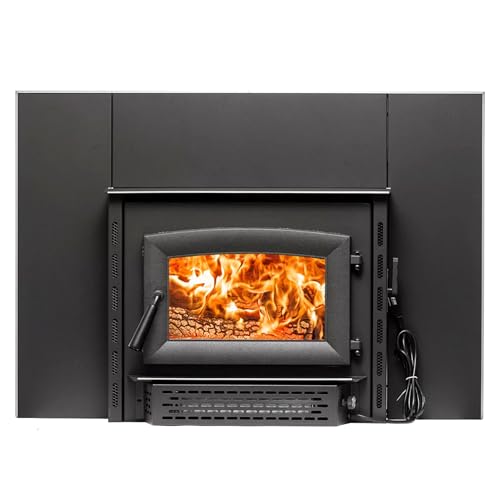
Converting Wood Fireplace to Gas: The Complete Guide
Everything you need to know before replacing your wood-burning fireplace with a modern gas insert — venting, efficiency, safety, and step-by-step process.
START THE CONVERSION GUIDEWhy convert? A wood-burning fireplace is charming, but it demands constant attention — chopping wood, cleaning ash, sweeping the chimney, and dealing with inconsistent heat. Converting to gas gives you instant flames, precise temperature control, and dramatically less maintenance. This guide walks you through every decision you need to make, from choosing the right insert to understanding venting requirements and installation steps.
Is Converting Your Wood Fireplace to Gas Worth It?
Before committing to a conversion, it helps to understand what you are gaining and what you are giving up. A wood fireplace offers the ritual of building a fire, the smell of burning wood, and a rustic ambiance that gas simply cannot replicate. However, gas delivers convenience, cleanliness, and efficiency that most homeowners find compelling — especially if the fireplace is used daily rather than occasionally.
The decision often comes down to lifestyle. If you use your fireplace several times a week during colder months, a gas conversion will likely pay for itself through reduced maintenance and higher heating efficiency. If you light a fire only a few times a year for atmosphere, the investment may be harder to justify. For a broader look at how different fuel types compare in daily use, see our guide on electric vs gas vs wood fireplace comparison.
✅ Advantages of Converting to Gas
- Instant on/off with remote or thermostat control
- No wood chopping, ash removal, or chimney sweeping
- Consistent, regulated heat output
- Cleaner burn with minimal emissions
- Higher efficiency ratings (up to 90% for sealed inserts)
- Safer for households with children or pets
- Can be used during burn bans in many areas
⚠️ Trade-Offs to Consider
- Loss of the traditional wood-burning experience
- Dependence on a gas line or propane supply
- Higher upfront investment than basic repairs
- Professional installation is strongly recommended
- Some older chimneys require a liner upgrade
- Annual professional inspection still needed
- Not all fireplaces are suitable for conversion
Your Three Main Conversion Options
When converting a wood fireplace to gas, you are not limited to a single approach. The right choice depends on your existing fireplace structure, your venting situation, and how much heat you want to produce. Understanding these options early will save you time and prevent costly mistakes.
1. Gas Fireplace Insert
A self-contained unit that fits inside your existing firebox. This is the most popular conversion path because it preserves the hearth and surround while delivering high efficiency.
- Best for: Most masonry and prefab fireplaces
- Efficiency: Mid-range to premium (70–90%)
- Venting: Uses existing chimney with a liner
- Heating: Can heat a large room or open concept space
2. Gas Log Set
A simpler, more affordable option where gas logs are placed directly into the existing firebox. It provides ambiance but far less heat than a sealed insert.
- Best for: Occasional use and visual appeal
- Efficiency: Entry-level (10–30%)
- Venting: Vented or ventless options available
- Heating: Limited to the immediate area
A third option — a gas fireplace insert — is essentially the same as option one but often refers to units specifically designed for retrofitting into an existing masonry opening. If your current fireplace is prefabricated or zero-clearance, you will need a specially rated insert. For more on matching an insert to your existing firebox, see our guide on gas fireplace insert for wood burning fireplace.
Venting Options for a Wood-to-Gas Conversion
Venting is the single most technical part of any conversion. Your existing chimney was designed for wood smoke, which is hot and buoyant. Gas produces cooler exhaust and more moisture, which means a direct vent or a properly sized liner is usually required. Choosing the wrong venting setup can lead to poor performance, condensation, and safety hazards.
| Venting Type | How It Works | Best For | Key Consideration |
|---|---|---|---|
| Direct Vent | Sealed system that pulls outside air for combustion and exhausts through a dedicated pipe. | Most inserts; ideal for airtight homes | Requires a direct path to an exterior wall or roof |
| B-Vent (Natural Vent) | Uses the existing chimney to draw air from the room and exhaust upward. | Fireplaces with a reliable, well-drafted chimney | Can be affected by negative pressure in modern homes |
| Ventless (Unvented) | No chimney or flue; burns gas and releases heat directly into the room. | Log sets in rooms with adequate ventilation | Not allowed in some states; requires oxygen depletion sensor |
| Chimney Liner | A flexible or rigid metal liner installed inside the existing chimney. | Almost all insert conversions | Essential for protecting the chimney from moisture and corrosion |
For a deeper dive into how venting affects performance and safety, explore our articles on venting options for gas fireplace and venting requirements for gas fireplace insert. If you are unsure whether your current chimney can handle a gas insert, a professional inspection is the best first step — see our guide on when to call a chimney sweep.
Step-by-Step: How the Conversion Process Works
Converting a wood fireplace to gas is not a weekend DIY project for most homeowners. It involves gas lines, electrical connections, and precise venting. Below is the typical sequence a professional installer follows, which also serves as a checklist for what you should expect.
-
Inspection and Feasibility Assessment
A technician examines the firebox, chimney, and surrounding structure. They check for cracks, creosote buildup, and whether the chimney is structurally sound. They also confirm whether a gas line can be routed to the fireplace location.
-
Choosing the Insert and Venting System
Based on the firebox dimensions and heating goals, you select a gas insert. The installer determines whether a direct vent, B-vent, or chimney liner is appropriate. This is where decisions about BTU output and efficiency are finalized.
-
Gas Line Installation
A licensed plumber or gas fitter runs a gas line from your home's supply to the fireplace. If you use propane, a tank and regulator are installed instead. This step must meet local codes and often requires a permit.
-
Chimney Preparation and Liner Installation
The chimney is cleaned, and a stainless steel liner is installed if required. For direct vent systems, a new vent pipe may be routed through the chimney or an exterior wall. Proper sealing is critical to prevent drafts and moisture.
-
Insert Placement and Connection
The gas insert is slid into the firebox and connected to the gas line and venting. Electrical connections for blowers, remote controls, or thermostats are completed at this stage.
-
Testing and Commissioning
The installer checks for gas leaks, tests the ignition system, verifies flame appearance, and confirms that the venting is drafting correctly. They also review safety features such as the oxygen depletion sensor.
-
Finishing and Cleanup
Any gaps around the insert are sealed or covered with a surround. The work area is cleaned, and you receive operating instructions and maintenance guidance.
Efficiency and Heating: What to Expect
One of the biggest reasons homeowners convert is the dramatic jump in efficiency. A traditional open wood fireplace is notoriously inefficient — most of the heat escapes up the chimney, and in some cases, it can actually make the rest of your home colder by drawing warm air out of the room. A modern gas insert changes that equation entirely.
Entry-level gas log sets might deliver around 20–30% efficiency, which is fine for ambiance but not for serious heating. Mid-range gas inserts typically achieve 70–80% efficiency, while premium sealed-combustion models can reach up to 90%. That means a properly sized gas insert can comfortably heat a large living room or an open-concept space. To calculate how much heat you actually need, use our fireplace heating capacity BTU guide.
For households that rely on a fireplace as a primary or supplementary heat source, a high-efficiency insert can reduce reliance on central heating. That said, no single fireplace can heat an entire house unless it is part of a carefully designed system. Our article on can a fireplace heat an entire house explains the limits and possibilities.
Understanding the Investment: Cost Tiers
Converting a wood fireplace to gas involves several cost components, and the total varies widely based on your home, the insert you choose, and local labor rates. Rather than quoting specific figures, it helps to think in terms of tiers: entry-level, mid-range, and premium. Each tier represents a different balance of efficiency, features, and installation complexity.
| Tier | Typical Components | Efficiency Range | Best For |
|---|---|---|---|
| Entry-Level | Basic vented or ventless log set, minimal venting modifications | Low to moderate | Occasional ambiance, tight budgets |
| Mid-Range | Sealed gas insert, chimney liner, basic blower, remote control | Moderate to high | Daily use, supplemental heating |
| Premium | High-efficiency insert, direct vent system, smart thermostat, premium surround | High | Primary heating, maximum convenience |
Labor is a significant part of the total. Gas line installation, chimney liner placement, and permit fees all add to the project. If you are comparing the long-term value of different fuel types, our article on which fireplace saves money long-term provides a useful framework. You can also explore hidden costs of owning a fireplace to avoid surprises.
Safety and Maintenance After Converting to Gas
One of the biggest advantages of a gas fireplace is reduced maintenance, but that does not mean zero maintenance. Annual inspections are still essential to ensure the venting system is clear, the gas connections are secure, and the burners are clean. Carbon monoxide is a byproduct of any combustion process, so a working CO detector in the same room is non-negotiable.
For a complete maintenance routine, see our gas fireplace maintenance guide. If you ever notice unusual smells, weak flames, or strange noises, do not ignore them — our gas fireplace troubleshooting resource can help you identify common issues before they become serious. And if you ever smell gas, leave the home immediately and call your gas provider.
Common Mistakes to Avoid When Converting
Homeowners who rush the process often run into problems that could have been avoided with a little planning. Here are the most common pitfalls:
- Choosing an insert before checking the firebox dimensions. A unit that does not fit properly will either be unsafe or require expensive modifications.
- Ignoring venting requirements. Using the wrong venting type can lead to poor performance, condensation, and even backdrafts.
- Skipping the chimney liner. A liner protects your chimney from moisture and corrosive byproducts. Without it, the chimney can deteriorate rapidly.
- Hiring an unlicensed installer. Gas work is not a DIY job. Always verify licensing and insurance.
- Forgetting about permits. Many jurisdictions require a permit for gas line installation and venting modifications. Skipping this can create legal and insurance issues.
If you are still deciding between a full conversion and a simpler upgrade, our article on converting a wood-burning fireplace to gas logs explores the lighter-touch option. For those who want to compare conversion paths, see converting wood burning fireplace to electric as an alternative.
Frequently Asked Questions
Can I convert any wood fireplace to gas?
Most masonry and prefabricated wood fireplaces can be converted, but not all. The firebox must be structurally sound, and there must be a viable path for venting and a gas line. A professional inspection is the only way to know for sure. Some zero-clearance fireplaces require specific inserts rated for that application.
Do I need a chimney liner for a gas insert?
In most cases, yes. A stainless steel liner protects the chimney from moisture and corrosive exhaust, and it ensures proper draft. Some direct vent systems use a coaxial pipe that serves as both intake and exhaust, which may eliminate the need for a traditional liner, but the chimney still needs to be prepared correctly.
How long does the conversion take?
A straightforward insert installation with an existing gas line can take one to two days. If a gas line needs to be run from a distant source, or if the chimney requires extensive preparation, the project can take several days to a week. Scheduling with a licensed installer will give you a more precise timeline.
Can I use my existing chimney?
Yes, in most cases. The chimney is typically used to route a liner or direct vent pipe. However, if the chimney is damaged, unlined, or improperly sized, it may need repair or modification before the conversion can proceed.
Is a ventless gas log set a good idea?
Ventless log sets are convenient and do not require a chimney, but they release moisture and combustion byproducts directly into the room. They are not legal in all states, and they require a well-ventilated space. For primary heating, a sealed vented insert is almost always the better choice.
Will converting to gas increase my home's value?
A professionally installed gas fireplace can be an attractive feature for buyers, especially in colder climates. While it may not recoup the full investment, it can make your home more appealing. For more on this, see does a fireplace add value to your home.
Ready to Explore Gas Fireplace Options?
Browse our curated selection of gas inserts, log sets, and accessories to find the right fit for your conversion project.
View Recommended Products