Most Efficient Wood Burning Fireplace Design
Discover the engineering and design principles behind high-efficiency wood burning fireplaces. Learn how to maximize heat output, minimize emissions, and choose the right system for your home.
The Core Principle: A traditional open wood fireplace is charming but notoriously inefficient—often losing more heat up the chimney than it produces for the room. The most efficient wood burning fireplace design solves this by using a sealed combustion chamber, advanced insulation, and secondary burn technology to capture far more heat from every log.
What Defines the Most Efficient Wood Burning Fireplace Design?
Efficiency in a wood burning fireplace isn't about a single feature—it's the result of a carefully engineered system. The best designs combine several key technologies to achieve high heat output and low emissions.
🔥 Sealed Combustion Chamber
Unlike an open hearth, a sealed firebox with a glass door controls airflow precisely. This allows for a slower, hotter burn that extracts more energy from the wood and prevents room air from being drawn up the chimney.
♻️ Secondary Burn Technology
Gases and particles that would normally escape as smoke are reignited in a secondary combustion zone. This "reburn" process dramatically increases heat output while reducing creosote and emissions.
🧱 Insulated Firebox & Baffles
High-density firebrick and ceramic baffles reflect heat back into the fire, keeping combustion temperatures high. This is a hallmark of the most efficient wood burning fireplace insert designs.
💨 Catalytic Combustor (Optional)
Some premium models use a catalytic combustor to lower the ignition temperature of smoke, burning it for additional heat. This is common in high-efficiency wood burning fireplace inserts.
EPA Certification: The Benchmark for Efficiency
In the United States, the Environmental Protection Agency (EPA) sets strict emissions standards for wood burning appliances. A fireplace or insert that meets EPA certification is, by definition, a high-efficiency design. When researching the best wood burning fireplace insert with blower, always look for the EPA certification label.
EPA-certified units typically fall into two categories:
- Non-Catalytic: Uses secondary combustion tubes to reburn gases. These are simpler, require less maintenance, and are very reliable.
- Catalytic: Uses a coated ceramic honeycomb to burn smoke at lower temperatures. These can achieve slightly higher efficiency in low-burn conditions but require periodic catalyst replacement.
Efficiency Comparison: Open Fireplace vs. High-Efficiency Insert
| Feature | Traditional Open Fireplace | High-Efficiency Wood Insert |
|---|---|---|
| Heating Efficiency | Low (often -10% to 10%) | High (60% to 80%+) |
| Emissions | Very High | Very Low (EPA Certified) |
| Heat Distribution | Radiant only, mostly lost | Convection + Radiant, often with blower |
| Burn Time | Short (1-2 hours) | Long (6-10+ hours) |
| Creosote Buildup | High risk | Low risk due to complete combustion |
| Installation | Requires existing masonry chimney | Can be installed in existing fireplace with a liner |
Key Design Features of the Most Efficient Models
When evaluating a wood burning fireplace or insert, focus on these design elements that directly impact efficiency:
📏 Firebox Shape & Size
A deep, cubic firebox allows for proper log placement and air circulation. The wood burning fireplace inserts with large viewing area often have optimized firebox geometry for both aesthetics and efficiency.
🌡️ Primary & Secondary Air Controls
Precise control over primary (bottom) and secondary (top) air allows you to regulate burn rate and temperature. This is essential for maximizing efficiency during different burn phases.
🌀 Blower & Heat Exchanger
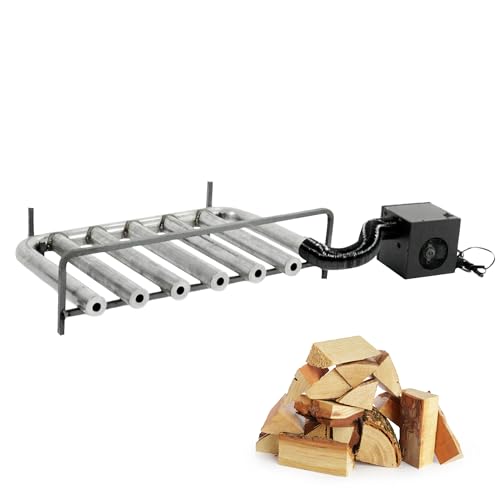
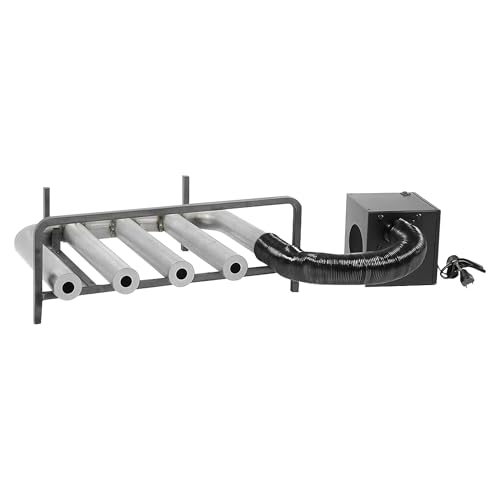
A built-in blower moves heated air into the room instead of letting it radiate slowly. Models like a wood stove insert for fireplace with blower are designed to distribute heat effectively.
🧱 Refractory Panels
High-quality refractory panels for wood burning fireplace insulate the firebox and withstand extreme temperatures, contributing to a cleaner, hotter burn.
Installation: Making Your Existing Fireplace Efficient
If you already have a traditional masonry fireplace, you don't need to build a new one to achieve high efficiency. Installing a wood burning insert for existing fireplaces is the most practical solution.
A professional installation typically involves:
- Running a stainless steel flue liner for wood burners to ensure proper draft and safety.
- Sealing the insert to the fireplace opening with a faceplate to prevent heat loss.
- Connecting the insert to the liner and ensuring all clearances are met.
- For zero-clearance fireplaces, a zero clearance wood burning fireplace insert may be required.
Pro Tip: Proper sizing is critical. An oversized insert will burn inefficiently and produce excess smoke. Use our fireplace heating capacity BTU guide to determine the right size for your space.
Maintaining Peak Efficiency Over Time
Even the best-designed fireplace will lose efficiency without proper maintenance. Regular care ensures your system continues to perform at its peak.
🧹 Chimney Cleaning
Annual chimney cleaning removes creosote and soot, which can restrict airflow and reduce efficiency. This is also a critical safety measure.
🔍 Annual Inspection
A yearly fireplace inspection checks for cracks in the firebox, worn gaskets, and other issues that can compromise efficiency and safety.
🔥 Proper Wood Selection
Burning seasoned hardwood is essential. Green or soft wood produces more creosote and less heat. Learn more in our wood fireplace maintenance guide.
🌬️ Draft Management
If you notice smoke or poor performance, you may have a wood fireplace draft problem. Addressing this is key to maintaining efficiency.
Ready to Upgrade to an Efficient Wood Fireplace?
Explore our curated selection of high-efficiency wood burning inserts and fireplaces. Find the perfect balance of design, performance, and warmth for your home.
View Recommended ModelsFrequently Asked Questions
What is the most efficient wood burning fireplace design?
The most efficient designs are EPA-certified wood burning inserts or fireplaces that feature a sealed combustion chamber, secondary burn technology (or a catalytic combustor), and an insulated firebox. These systems can achieve heating efficiencies of 60% to 80% or more, compared to the near-zero or negative efficiency of a traditional open fireplace.
Can I make my existing open fireplace more efficient?
Yes. The most effective way is to install a high-efficiency wood burning insert into your existing fireplace. This involves adding a stainless steel liner and sealing the opening. This transforms an inefficient open hearth into a powerful heating appliance. You can learn more in our guide to wood burning inserts for existing fireplaces.
Is a catalytic or non-catalytic wood fireplace better?
Both are excellent choices. Non-catalytic models are simpler, have fewer parts, and require less maintenance. Catalytic models can achieve slightly higher efficiency in low-burn conditions and produce very low emissions, but the catalytic combustor needs periodic replacement. The best choice depends on your heating needs and maintenance preferences.
How do I choose the right size efficient wood fireplace?
Sizing is crucial. An oversized unit will burn inefficiently, while an undersized one won't heat your space. You should calculate the BTU requirements for your room based on its square footage, insulation, and climate. Our how to size a fireplace guide provides a simple formula to help you determine the correct capacity.
Do efficient wood fireplaces require electricity?
The fireplace itself does not require electricity for combustion. However, many high-efficiency models include a blower fan to distribute heat, which requires a power source. Some models can operate without the blower during a power outage, providing radiant heat. You can read more in our article on whether you can use a gas fireplace without electricity (the principles for wood are similar regarding blowers).