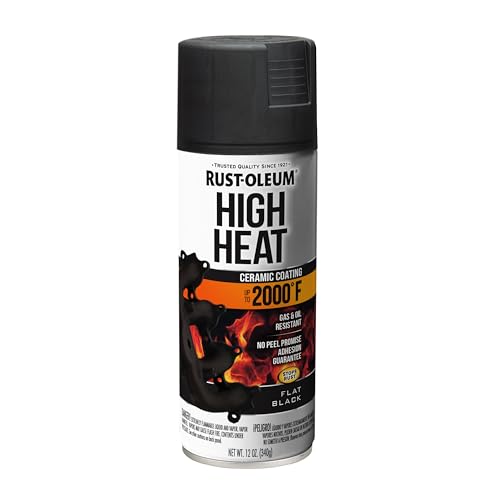
High Heat Paint for Fireplace: The Complete Guide
Transform your fireplace with the right heat-resistant paint. Learn about types, applications, and top product recommendations for a professional, durable finish.
Why High Heat Paint Matters: Standard paint will blister, peel, and discolor when exposed to the intense temperatures of a fireplace. High heat paint is specifically formulated with heat-resistant binders and pigments that can withstand extreme conditions, ensuring your fireplace looks beautiful and stays protected for years.
Whether you're updating a dated wood-burning fireplace, refreshing a gas fireplace, or giving a DIY fireplace makeover a professional finish, choosing the right high heat paint is critical. This guide will walk you through everything you need to know to make an informed decision.
What Is High Heat Paint and Why Do You Need It?
High heat paint, also known as heat-resistant or high-temperature paint, is a specialized coating designed to withstand temperatures far beyond what standard household paint can handle. While regular paint may begin to fail at around 200°F (93°C), high heat paint is formulated to endure temperatures ranging from 1,000°F to 2,000°F (538°C to 1,093°C) depending on the formulation.
The science behind high heat paint lies in its binder system. Standard paints use organic binders that decompose under heat. High heat paints use inorganic binders like silicone resins or ceramic compounds that remain stable even at extreme temperatures. This stability prevents the paint from cracking, blistering, or releasing harmful fumes.
Key Applications for Fireplace High Heat Paint
- Firebox Interior: The area directly exposed to flames requires the highest temperature rating, typically 1,200°F or higher.
- Fireplace Surround: The decorative facing around the firebox needs protection from radiant heat.
- Mantel and Trim: Upper areas may experience less direct heat but still require heat-resistant coatings.
- Stove and Insert Bodies: Metal components of wood-burning inserts or gas inserts benefit from high heat paint for restoration.
- Outdoor Fireplaces: Outdoor fireplaces face both heat and weather, requiring durable high heat coatings.
Types of High Heat Paint for Fireplaces
Not all high heat paints are created equal. Understanding the different types will help you choose the right product for your specific application.
| Paint Type | Max Temp Rating | Best For | Key Characteristics |
|---|---|---|---|
| Aerosol Spray Paint | 1,200°F – 2,000°F | Firebox interiors, metal inserts, small touch-ups | Easy application, smooth finish, quick drying. Ideal for hard-to-reach areas. |
| Brush-On Paint | 1,000°F – 1,200°F | Surrounds, mantels, larger surface areas | Better coverage for porous surfaces, more economical for large areas. |
| Ceramic Coating | Up to 2,000°F | High-performance fireboxes, extreme heat applications | Superior heat resistance and durability, premium tier products. |
| Water-Based High Heat Paint | 500°F – 800°F | Decorative surrounds, lower-heat areas | Low VOC, easy cleanup, less odor. Not suitable for firebox interior. |
When selecting a paint, always check the manufacturer's temperature rating and ensure it exceeds the maximum temperature your fireplace surface will reach. For ventless gas fireplaces, which produce significant heat, a higher-rated paint is essential.
How to Choose the Best High Heat Paint
Selecting the right paint involves more than just picking a color. Consider these factors to ensure a successful, long-lasting result.
1. Temperature Rating
Match the paint's temperature rating to your application. For firebox interiors, choose a paint rated for at least 1,200°F. For surrounds and mantels, a 500°F to 1,000°F rating is typically sufficient.
2. Surface Material Compatibility
Different surfaces require different paint formulations. Metal surfaces need a paint that adheres well to metal, often a direct-to-metal (DTM) formula. Brick and stone surfaces are porous and benefit from a brush-on paint that fills and seals. For more on preparing different surfaces, see our guide on cleaning fireplace brick and stone.
3. Color and Finish
High heat paints come in a range of colors, though black and dark tones are most common for fireboxes. For surrounds, you can find heat-resistant paints in various colors to match your decor. Matte finishes are generally preferred for fireboxes as they hide imperfections better than glossy finishes.
4. Indoor vs. Outdoor Use
For outdoor fireplaces, choose a paint formulated for exterior use that resists UV fading and weather damage in addition to heat. Indoor paints may not hold up to the elements.
How to Apply High Heat Paint to Your Fireplace
Proper preparation and application are key to a professional-looking, durable finish. Follow these steps for best results.
Step 1: Preparation
- Ensure the fireplace is completely cool before starting.
- Clean the surface thoroughly to remove soot, dust, and grease. For firebox interiors, use a wire brush to remove loose paint and debris. Our guide on cleaning fireplace glass can help with glass components.
- Lightly sand metal surfaces to create a profile for paint adhesion.
- Mask off areas you don't want to paint, such as glass doors, hearth, and surrounding walls.
- Ensure proper ventilation by opening windows and using fans.
Step 2: Priming (If Required)
Some high heat paints require a primer, especially on bare metal. Check the product instructions. If a primer is needed, apply a thin, even coat and allow it to dry completely before proceeding.
Step 3: Application
- For Spray Paint: Hold the can 8-12 inches from the surface and apply in light, even coats. Multiple thin coats are better than one thick coat to prevent drips and ensure even coverage.
- For Brush-On Paint: Use a high-quality brush designed for the paint type. Apply in thin, even strokes, following the manufacturer's recommended direction.
- Allow adequate drying time between coats as specified on the product label.
Step 4: Curing
High heat paint requires a curing process to fully set and achieve maximum heat resistance. This typically involves heating the fireplace gradually over several hours. Follow the manufacturer's curing instructions precisely. You may notice some odor and light smoke during the first few fires after painting—this is normal and will dissipate.
Pros and Cons of Painting Your Fireplace
Advantages
- Cost-effective way to update the look of your fireplace
- Can restore a worn or dated fireplace to like-new condition
- Allows for color customization to match your decor
- Protects metal surfaces from rust and corrosion
- DIY-friendly project with proper preparation
Disadvantages
- Requires proper surface preparation for good adhesion
- Curing process can produce temporary odors
- Not a permanent solution; may need reapplication over time
- Improper application can lead to peeling or blistering
- Limited color options compared to standard paint
Maintaining Your Painted Fireplace
Once your fireplace is painted, proper maintenance will extend the life of the finish. Regular cleaning as part of your fireplace maintenance routine is essential. For general care, see our monthly and yearly maintenance schedule.
- Allow the paint to fully cure before using the fireplace.
- Clean the painted surface gently with a soft cloth and mild soap when cool.
- Avoid abrasive cleaners that can scratch or dull the finish.
- Inspect the paint periodically for signs of wear, especially in high-heat areas.
- Touch up any chips or scratches promptly with matching high heat paint.
- For outdoor fireplaces, check the finish after winter and touch up as needed.
Common Mistakes to Avoid
Learning from others' mistakes can save you time and frustration. Here are the most common pitfalls when painting a fireplace.
- Using regular paint: This is the biggest mistake. Standard paint will fail quickly and may release toxic fumes.
- Skipping surface preparation: Paint adheres poorly to dirty, greasy, or glossy surfaces.
- Applying too thick a coat: Thick coats are prone to cracking and peeling. Multiple thin coats are always better.
- Not allowing proper curing: Rushing the curing process can prevent the paint from achieving its full heat resistance.
- Painting over rust without treating it: Rust will continue to spread under the paint. Treat rust with a rust converter before painting.
- Ignoring ventilation: High heat paints can emit strong fumes during application and curing. Always work in a well-ventilated area.
Frequently Asked Questions
Can I use regular paint on my fireplace?
No. Regular paint is not formulated to withstand the high temperatures of a fireplace. It will blister, peel, and discolor, and may release harmful fumes. Always use paint specifically rated for high heat applications.
How long does high heat paint last on a fireplace?
With proper application and curing, high heat paint can last for many years. The lifespan depends on usage frequency, temperature exposure, and maintenance. Firebox interiors may require touch-ups more frequently than surrounds.
Can I paint a gas fireplace?
Yes, you can paint the exterior surfaces of a gas fireplace, such as the surround and metal components. However, never paint the burner, logs, or internal components. Consult your fireplace manual and use paint rated for the appropriate temperature.
What is the best color for a fireplace firebox?
Black is the most common and practical color for firebox interiors. It hides soot and discoloration well and provides a classic look that makes the flames stand out. Dark grays and charcoal are also popular choices.
Do I need to remove old paint before applying high heat paint?
If the old paint is in good condition and is also a high heat paint, you may be able to paint over it after cleaning and light sanding. If the old paint is peeling, flaking, or is regular paint, it should be removed completely before applying high heat paint.
How soon can I use my fireplace after painting?
You must follow the manufacturer's curing instructions, which typically involve waiting at least 24-48 hours before the first fire, then gradually increasing the temperature over several hours. Rushing this process can damage the paint and reduce its effectiveness.
Ready to Transform Your Fireplace?
Explore our top-rated high heat paint recommendations and find the perfect product for your project.
View Top Picks