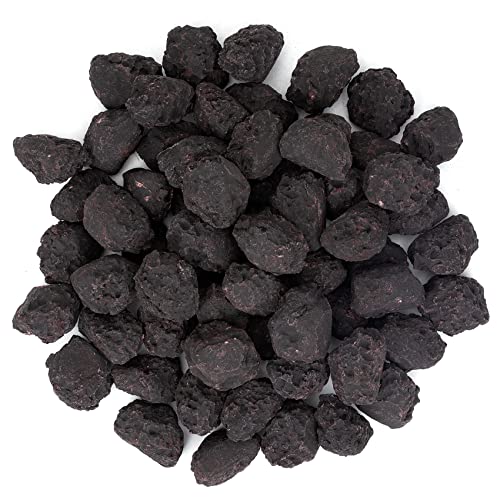
Heat Resistant Stone for Fireplaces: The Complete Guide
Choosing the right stone for your fireplace is critical for safety, durability, and aesthetics. This guide explores the best heat resistant stones, their properties, and how to select the perfect material for your hearth, surround, or wall.
Explore Stone TypesWhy Heat Resistance Matters: Not all stone is created equal. Some materials crack, discolor, or even pose safety hazards when exposed to high temperatures. Understanding the thermal properties of stone ensures your fireplace remains both beautiful and safe for years to come.
Why Heat Resistant Stone is Essential for Fireplaces
Fireplaces generate intense heat, and the materials surrounding them must withstand thermal stress without compromising structural integrity. Heat resistant stone serves multiple purposes: it protects your home from fire hazards, radiates warmth efficiently, and provides a durable, timeless aesthetic. Unlike ordinary stone, heat resistant varieties are specifically chosen for their low thermal expansion, high melting points, and ability to endure rapid temperature changes without cracking.
When selecting stone for your fireplace, consider factors like porosity, thermal conductivity, and coefficient of expansion. A material with high porosity may absorb moisture and crack when heated, while low thermal conductivity can cause heat buildup. Understanding these properties helps you make an informed decision. For a broader overview of fireplace materials and construction, explore our fireplace buying guide.
Top Heat Resistant Stones for Fireplaces
1. Soapstone: The Superior Heat Retainer
Soapstone is a metamorphic rock known for its exceptional heat retention and gentle, even heat distribution. It has a low coefficient of thermal expansion, meaning it won't crack easily when subjected to rapid temperature changes. Soapstone is also non-porous, making it resistant to stains and easy to maintain. Its natural gray color develops a rich patina over time, adding character to your fireplace. Soapstone is often used for fireplace liners, hearths, and surrounds, and is considered a top-tier material for both performance and aesthetics.
2. Granite: The Durable Classic
Granite is an igneous rock formed from cooled magma, giving it incredible hardness and heat resistance. It can withstand high temperatures without melting or cracking, making it a popular choice for hearths and surrounds. Granite is available in a wide range of colors and patterns, from subtle grays to vibrant reds and blues. While it is highly durable, granite's high thermal conductivity means it can get very hot to the touch, so it's often used for hearths where direct contact is limited. A mid-range to premium option, granite offers a timeless look that complements both traditional and modern designs.
3. Limestone: The Elegant Choice
Limestone is a sedimentary rock composed mainly of calcium carbonate. It is softer and more porous than granite or soapstone, but still offers good heat resistance when properly sealed. Limestone is prized for its neutral, warm tones and smooth texture, making it ideal for carved mantels and surrounds. However, it is more susceptible to staining and etching, so regular sealing is required. For fireplace surrounds that are not directly exposed to open flames, limestone is a beautiful, entry-level to mid-range option that adds a touch of classic elegance.
4. Sandstone: The Rustic Favorite
Sandstone is a sedimentary rock made of sand-sized minerals and rock grains. It is heat resistant and offers a natural, earthy aesthetic that suits rustic and farmhouse styles. Sandstone is relatively porous, so it should be sealed to prevent moisture absorption and staining. It is often used for fireplace surrounds and hearths, but not recommended for the firebox interior where temperatures are highest. Its unique texture and warm colors make it a popular choice for those seeking a natural, organic look.
5. Marble: The Luxurious Option
Marble is a metamorphic rock that forms from limestone under intense heat and pressure. It is heat resistant and offers a luxurious, polished appearance. However, marble is softer than granite and can be scratched or etched by acids. It is best used for fireplace surrounds and mantels rather than hearths that receive heavy foot traffic. Marble's veining and color variations make each piece unique, and it is considered a luxury material for high-end fireplace designs. Regular sealing is essential to maintain its beauty.
Comparison of Heat Resistant Stones
| Stone Type | Heat Resistance | Porosity | Best Use | Maintenance |
|---|---|---|---|---|
| Soapstone | Excellent | Non-porous | Firebox, Hearth, Surround | Low |
| Granite | Excellent | Low | Hearth, Surround | Low |
| Limestone | Good | Medium | Surround, Mantel | Moderate |
| Sandstone | Good | High | Surround, Hearth | Moderate |
| Marble | Good | Low | Surround, Mantel | High |
How to Choose the Right Heat Resistant Stone
Selecting the perfect stone involves balancing aesthetics, performance, and maintenance. Start by determining where the stone will be used: the firebox interior requires the highest heat resistance, while a surround or mantel can use a broader range of materials. Consider the overall style of your home—rustic sandstones pair well with farmhouse decor, while polished marble suits modern or traditional elegance. Don't forget to factor in maintenance; porous stones like limestone and sandstone need regular sealing, while soapstone and granite are relatively low-maintenance.
For those planning a DIY installation, understanding the installation process is key. Our guide on DIY fireplace tile provides valuable insights into working with stone and tile. If you're still deciding on the type of fireplace itself, our article on types of fireplaces can help you narrow down your options.
Installation Tips for Heat Resistant Stone
Proper installation is crucial for both safety and longevity. Always use a heat-resistant mortar or adhesive specifically designed for fireplaces. Our guide on heat resistant mortar for fireplace explains the best products and techniques. Ensure that the stone is properly supported and that expansion gaps are included where necessary. For hearths, consider the clearance required by building codes to prevent fire hazards. If you're replacing existing materials, our article on replacing fireplace doors and frame offers step-by-step guidance.
Maintaining Your Stone Fireplace
Regular maintenance keeps your stone fireplace looking beautiful and functioning safely. Clean stone surfaces with a pH-neutral cleaner and a soft cloth. Avoid acidic cleaners that can etch marble or limestone. For soapstone, occasional application of mineral oil enhances its color and protects the surface. Inspect the stone periodically for cracks or signs of wear, especially in high-heat areas. Our comprehensive fireplace maintenance guide covers seasonal care and inspection checklists.
Common Mistakes to Avoid
One of the biggest mistakes is using non-heat-resistant stone in high-temperature areas. Ordinary river rock or certain types of slate can crack or explode when heated. Another common error is skipping the sealant on porous stones, leading to stains and moisture damage. Finally, improper installation without adequate clearance can create a fire hazard. Always consult a professional if you're unsure about the suitability of a particular stone for your fireplace.
For more inspiration and guidance, explore our articles on fire resistant tiles for fireplaces and heat resistant boards for fireplace. If you're considering a stone surround, our guide on fireplace mantel and surround ideas can spark your creativity. And for those interested in the broader aspects of fireplace design, our living room with stone fireplace decor ideas offers practical styling tips.
Ready to Choose Your Stone? Armed with this knowledge, you're prepared to select the perfect heat resistant stone for your fireplace. Whether you prioritize heat retention, durability, or aesthetic appeal, there's a stone that fits your needs. Explore our recommended products below to find high-quality options for your project.