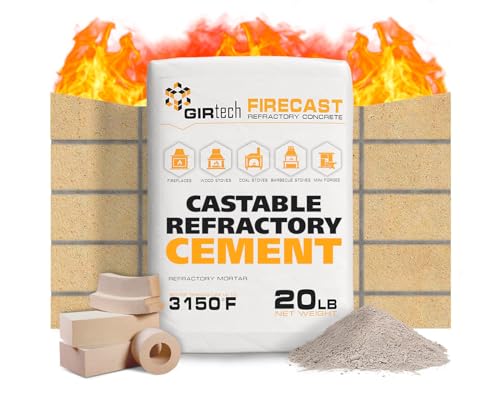
Heat Resistant Grout for Fireplace: The Complete Guide
Choosing the right heat resistant grout for your fireplace is one of the most critical decisions in achieving a durable, safe, and beautiful installation. Standard grout will crack, crumble, and fail under the intense thermal cycling of a fireplace. This guide will walk you through everything you need to know—from understanding different grout types to application techniques and top product recommendations—so you can make a confident, informed purchase.
Whether you are installing a new DIY tile fireplace surround or renovating an existing hearth, the grout you select determines how well your project withstands years of heat exposure. Unlike regular tile installations in kitchens or bathrooms, fireplaces experience rapid temperature changes that cause materials to expand and contract. Without a grout specifically engineered for high temperatures, even the most beautiful tile job will deteriorate quickly.
Why Heat Resistant Grout Is Essential for Fireplaces
Fireplaces create a uniquely harsh environment for tile and grout. Temperatures on the firebox floor, walls, and even the surround can exceed several hundred degrees Fahrenheit during normal operation. This intense heat causes materials to expand, and when the fire dies down, they contract. This cycle repeats every time you use your fireplace, creating stress that ordinary grout simply cannot handle.
When standard grout is exposed to this thermal cycling, it develops hairline cracks. Those cracks widen over time, allowing moisture to penetrate behind the tile. In freezing climates, that trapped moisture expands and can pop tiles loose. Even in milder climates, cracked grout leads to a deteriorated appearance and potential structural issues. Heat resistant grout is formulated with special binders and aggregates that maintain flexibility and adhesion under extreme temperatures, protecting your investment and ensuring safety.
Additionally, if you are working on a wood burning fireplace with blower or any high-efficiency unit, the temperatures can be even more intense. In these applications, using the correct refractory materials is not just about aesthetics—it is about safety and code compliance.
⚠️ What Happens Without Heat Resistant Grout
- Cracking and crumbling within the first season of use
- Tile delamination and loosening from the substrate
- Moisture penetration leading to mold and mildew behind the tile
- Deterioration of the firebox structure, potentially creating a safety hazard
- Costly repairs and premature replacement of your entire tile installation
Types of Heat Resistant Grout for Fireplaces
Not all heat resistant grouts are created equal. The right choice depends on your specific application—whether you are grouting a decorative tile surround, the firebox interior itself, or a hearth extension. Understanding the different categories will help you select the best product for your project.
1. Refractory Mortar (Fireclay Mortar)
Refractory mortar, also known as fireclay mortar or fire mortar, is specifically designed for the highest temperature applications. It is the same type of mortar used to lay firebricks inside a firebox. These mortars are formulated with high alumina content and can withstand temperatures up to 2,000°F (1,093°C) or more. They are ideal for the interior of a firebox where direct flame contact occurs.
However, refractory mortar is generally not suitable for decorative tile grouting on the fireplace surround. Its coarse texture and limited color options make it a poor choice for visible aesthetic applications. Use it where it belongs—inside the firebox and in direct contact with the fire.
2. High-Temperature Cement-Based Grout
For most fireplace surrounds and hearths, a high-quality, polymer-modified cement-based grout is the practical choice. These grouts are formulated to withstand temperatures typically encountered on the exterior of a fireplace (up to around 500°F / 260°C). They come in a wide range of colors and offer good workability.
Look for grouts specifically labeled as suitable for fireplace applications or rated for high-temperature exposure. Products that meet ANSI A118.6 or A118.7 standards are typically acceptable for residential fireplace surrounds. For a more comprehensive understanding of how to prepare your fireplace area before tiling, refer to our guide on fireplace non-combustible surround.
3. Epoxy Grout
Epoxy grout offers excellent durability, stain resistance, and can handle moderate heat. However, standard epoxy grouts have temperature limits and may soften or degrade if exposed to temperatures above 300°F (149°C). Some specialized epoxy grouts are formulated for higher heat, but they are less common.
Epoxy grout is best used on the decorative surround of a electric fireplace or a gas fireplace where surface temperatures remain relatively moderate. It is not recommended for wood-burning fireplaces or the immediate firebox area.
4. Premixed Acrylic or Urethane Grout
Premixed grouts containing acrylic or urethane binders offer good flexibility and are easier to apply than traditional cement grouts. Some formulations are rated for fireplace use. However, their heat tolerance is generally lower than cement-based options, and they may not be suitable for high-heat zones.
Heat Resistant Grout Comparison: Which Type Is Right for You?
The table below summarizes the key characteristics of each grout type to help you make an informed decision based on your specific fireplace application.
| Grout Type | Max Temp Rating | Best Application | Quality Tier | Key Considerations |
|---|---|---|---|---|
| Refractory Mortar | Up to 2,000°F+ | Firebox interior, firebrick joints | Premium | Coarse texture, limited colors, requires careful mixing |
| High-Temp Cement Grout | Up to 500°F | Tile surrounds, hearths, mantel faces | Mid-Range | Wide color selection, good workability, most versatile |
| Epoxy Grout | Up to 300°F | Decorative surrounds (electric/gas only) | Premium | Excellent stain resistance, limited heat tolerance |
| Premixed Acrylic/Urethane | Up to 250°F | Low-heat decorative applications | Entry-Level | Easy to apply, lower heat resistance, not for fireboxes |
How to Choose the Right Heat Resistant Grout
Selecting the perfect grout involves balancing several factors: heat exposure, aesthetic preferences, ease of application, and long-term durability. Here are the key considerations to guide your decision.
Determine Your Heat Zone
The fireplace can be divided into different heat zones. The firebox interior experiences the most extreme temperatures and requires refractory mortar. The surround and hearth, while still warm, do not reach the same extremes and can use high-temperature cement-based grout. Understanding these zones helps you avoid over- or under-specifying your grout. If you are unsure about your fireplace's heat output, our fireplace heating capacity BTU guide can help you assess your unit.
Consider Your Tile Material
The type of tile you are installing also influences grout choice. Natural stone tiles like marble or travertine may require a different grout formulation than ceramic or porcelain. For example, if you are working with a marble electric fireplace TV stand, you will want a grout that is compatible with natural stone and does not scratch or stain the surface. Unsanded grout is typically used for natural stone and glass tiles, while sanded grout is better for wider joints and more durable applications.
Match Grout Width to Tile Type
Grout joint width matters. Narrow joints (1/8 inch or less) generally call for unsanded grout, which can flow into tight spaces without scratching tile edges. Wider joints (1/8 inch or more) require sanded grout for strength and to prevent shrinkage cracks. For fireplace surrounds, many installers prefer sanded grout for its durability, but always check the tile manufacturer's recommendations.
Color Considerations
Grout color dramatically affects the final look of your fireplace. A contrasting grout color highlights the tile pattern, while a matching color creates a seamless, monolithic appearance. Keep in mind that lighter grouts show soot and dirt more readily, which is a consideration for wood-burning fireplaces. Darker grouts are more forgiving but can fade or discolor over time in high-heat areas.
Step-by-Step Application Guide
Applying heat resistant grout correctly is just as important as choosing the right product. Follow these steps for a professional-looking, durable result.
- Prepare the Surface: Ensure all tiles are firmly set and the adhesive has fully cured according to the manufacturer's instructions. Clean the joints of any excess adhesive or debris. For tips on surface preparation, see our guide on DIY fireplace tile.
- Mix the Grout: Follow the manufacturer's mixing instructions precisely. Use a clean bucket and mix only as much grout as you can apply within the working time. For refractory mortar, the mixing ratio is critical to achieving proper heat resistance.
- Apply the Grout: Use a rubber grout float to work the grout into the joints at a 45-degree angle. Press firmly to fill the joints completely, then scrape off excess with the edge of the float.
- Clean the Surface: Allow the grout to set slightly (usually 10-20 minutes) until it is firm but not hard. Use a damp sponge to wipe away excess grout from the tile surface. Rinse the sponge frequently and avoid over-wetting the joints.
- Final Cleaning and Curing: Once the grout has dried to a haze, buff the tile surface with a clean, dry cloth. Allow the grout to cure fully—typically 24 to 72 hours—before exposing it to heat. For firebox applications, a gradual curing process (starting with small fires) is often recommended.
Maintaining Your Fireplace Grout
Once your heat resistant grout is properly installed and cured, regular maintenance will keep it looking great and performing well for years. Here are some essential maintenance practices.
- Regular Cleaning: Clean the grout lines with a soft brush and a pH-neutral cleaner. Avoid acidic cleaners, which can degrade cement-based grout over time. For deeper cleaning tips, see our guide on how to clean fireplace brick and stone.
- Sealing: While heat resistant grout is durable, sealing it with a high-temperature grout sealer can provide additional protection against stains and moisture. Reapply sealer according to the manufacturer's recommendations.
- Inspect for Damage: Periodically inspect the grout for cracks, crumbling, or discoloration. Address any issues promptly to prevent further damage. A fireplace inspection checklist can help you stay on top of maintenance tasks.
- Avoid Harsh Chemicals: Never use harsh chemicals, wire brushes, or abrasive pads on grout, as these can cause damage and deterioration.
Frequently Asked Questions
No, regular grout is not suitable for fireplaces. Standard grout lacks the heat resistance and flexibility needed to withstand the thermal cycling of a fireplace. It will crack and fail quickly. Always use a grout specifically rated for high-temperature applications.
For the firebox interior of a wood-burning fireplace, refractory mortar is the only suitable choice. For the surround and hearth, a high-temperature cement-based grout rated for at least 500°F is recommended. Always verify the temperature rating before purchasing.
When properly installed and maintained, high-quality heat resistant grout can last for many years, often decades. The lifespan depends on the quality of the grout, the installation, and the intensity of use. Regular maintenance and prompt repair of any cracks will extend its life.
Epoxy grout can be used on the decorative surround of electric or gas fireplaces where surface temperatures remain moderate. However, it is not suitable for wood-burning fireplaces or areas exposed to high heat, as most epoxy grouts have temperature limits around 300°F.
Sealing is not always required, but it is highly recommended for cement-based grouts. A high-temperature grout sealer adds a layer of protection against stains and moisture, making cleaning easier and extending the life of the grout. Always use a sealer rated for high-temperature applications.
Ready to Find the Perfect Grout for Your Fireplace?
Explore our top-rated heat resistant grout recommendations and get everything you need for a successful installation.
View Recommended Products ↓