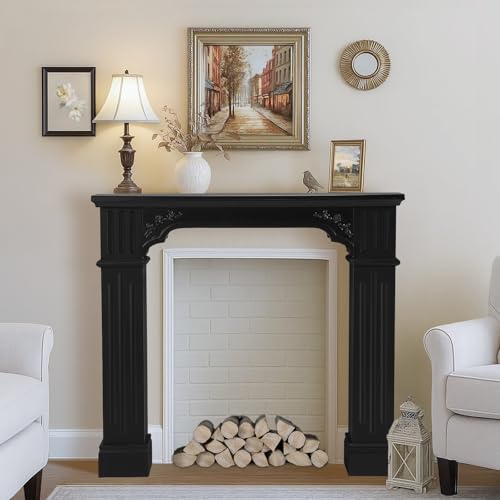
Fireplace Surrounds for Gas Fireplaces: The Complete Guide
Everything you need to know about choosing, sizing, and installing the perfect surround for your gas fireplace. Compare materials, styles, and get expert recommendations before you buy.
Start ExploringWhy Your Gas Fireplace Surround Matters
A gas fireplace is more than a heat source—it is a focal point that defines the character of your living space. The surround is the architectural frame that transforms a simple firebox into a stunning design feature. Whether you are remodeling an existing fireplace or installing a new one, the surround you choose affects not only the aesthetic appeal of your room but also safety, functionality, and long-term durability.
Unlike wood-burning fireplaces, gas fireplaces produce less ash and require no chimney, but they still generate significant heat. This means the surround must be made from materials that can withstand high temperatures and comply with clearance requirements. Choosing the wrong material or improper sizing can lead to safety hazards, inefficient operation, and costly repairs.
This guide walks you through every aspect of selecting a surround for your gas fireplace. You will learn about the most popular materials, how to measure your fireplace correctly, installation considerations, and design ideas that suit different interior styles. By the end, you will have the confidence to make an informed purchase decision.
Quick Tip: Always check your gas fireplace manufacturer's manual for minimum clearance-to-combustibles requirements before purchasing or building a surround. This is the single most important safety step.
What Exactly Is a Fireplace Surround?
The term "fireplace surround" refers to the decorative and protective facing that frames the firebox opening. It typically consists of three main components: the side legs (or pilasters), the top piece (often called the frieze), and sometimes a hearth extension at the base. The surround sits between the firebox and the mantel, creating a visual transition from the fire to the wall.
For gas fireplaces, the surround serves several critical functions. It protects the wall from heat damage, provides a finished look that complements your interior decor, and can even improve the efficiency of your fireplace by directing heat into the room. A well-designed surround can also increase the perceived value of your home, as a fireplace is a highly desirable feature for many buyers.
Surrounds come in two main categories: prefabricated (ready-made) and custom-built. Prefabricated surrounds are available in standard sizes and are typically easier to install. Custom surrounds are designed to fit your specific fireplace dimensions and design preferences, offering a truly bespoke look. If you are considering a DIY approach, you might be interested in our guide on DIY fireplace surround for electric fireplace, which shares many principles applicable to gas models.
Best Materials for Gas Fireplace Surrounds
The material you choose for your surround is the most impactful decision you will make. It determines the look, durability, maintenance requirements, and cost tier of your project. Below are the most popular options for gas fireplace surrounds, along with their pros and cons.
1. Tile and Stone
Tile is one of the most versatile and popular choices for gas fireplace surrounds. It is available in ceramic, porcelain, glass, and natural stone varieties, offering an endless array of colors, patterns, and textures. Tile is non-combustible, easy to clean, and relatively affordable. Natural stone such as marble, granite, travertine, and slate adds a premium, luxurious feel. Stone surrounds are durable and each piece is unique, but they require sealing and can be heavier to install. For a contemporary look, a contemporary marble fireplace surround offers clean lines and a sophisticated finish.
2. Brick
Brick is a classic choice that evokes traditional charm. It is highly heat-resistant and can be painted or left natural. Brick surrounds work well in rustic, farmhouse, and industrial-style interiors. However, brick can be porous and may require sealing to prevent staining. If you are considering a brick surround, our article on how to clean fireplace brick and stone provides valuable maintenance tips.
3. Wood
Wood adds warmth and natural beauty to a room. However, wood is combustible, so it cannot be used immediately around the firebox opening. It must be installed beyond the minimum clearance-to-combustibles distance specified by the manufacturer. A common approach is to use a non-combustible material (such as tile or stone) for the inner surround and wood for the outer surround and mantel. Custom wood surrounds can be stained or painted to match your cabinetry and trim.
4. Metal
Stainless steel, copper, and bronze surrounds offer a sleek, modern look. Metal is non-combustible, durable, and easy to clean. It reflects light and can create a striking contrast with the flames. Metal surrounds are often used in contemporary and industrial design schemes. They can be more expensive than tile but are a worthwhile investment for a high-end aesthetic.
5. Concrete and Cast Stone
Concrete and cast stone surrounds provide a minimalist, architectural appearance. They are custom-cast to your specifications and can be finished in a variety of textures and colors. These materials are extremely durable and non-combustible. They are a premium option and require professional installation, but they deliver a unique, high-end result.
Important: Regardless of the material you choose, always verify its fire rating and suitability for use near a heat source. Non-combustible materials are required for the area immediately surrounding the firebox opening.
How to Measure for a Gas Fireplace Surround
Accurate measurements are essential for a proper fit and safe installation. Before you shop for a surround, gather the following dimensions:
- Firebox Opening Width and Height: Measure the actual opening of the firebox from side to side and top to bottom.
- Surround Width and Height: Decide how wide and tall you want the surround to extend beyond the firebox opening. A common rule is to extend the surround at least 6 to 12 inches on each side and above the opening, but this depends on your design preference and clearance requirements.
- Clearance to Combustibles: Consult your fireplace manual for the minimum distance combustible materials must be kept from the firebox opening. This distance dictates where you can safely place wood or other combustible materials.
- Hearth Depth: If your fireplace requires a hearth, measure the depth from the front of the firebox to the edge of the hearth. This is especially important for gas fireplaces that may emit radiant heat downward.
- Wall Depth: If you are installing a surround that protrudes from the wall, measure the available depth to ensure it does not obstruct walkways or furniture.
For a more detailed guide on sizing, refer to our article on how to size a fireplace. Getting the proportions right is crucial for both aesthetics and safety.
Installation Considerations for Gas Fireplace Surrounds
Installing a surround for a gas fireplace can range from a simple DIY project to a complex professional job, depending on the material and your existing fireplace setup. Here are key factors to keep in mind:
Clearance and Safety
Safety is non-negotiable. Gas fireplaces produce heat, and combustible materials must be kept at a safe distance. The manufacturer's manual will specify the minimum clearance to combustibles, typically measured from the top and sides of the firebox opening. Always adhere to these requirements and local building codes. If you are unsure, consult a professional.
Venting and Access
Some gas fireplaces have vents or access panels that must remain unobstructed. Ensure your surround design does not block these components. If your fireplace has a blower, make sure the air intake and output are not covered. For more information on venting, see our guide on do you need a chimney or vent for a fireplace.
DIY vs Professional Installation
Installing a tile or stone surround is a manageable DIY project for those with basic tiling skills. However, custom woodwork, concrete casting, and complex stone installations are best left to professionals. If you are considering a DIY project, our article on DIY fireplace tile offers step-by-step guidance. For a broader overview, see DIY vs professional fireplace installation.
Electrical and Gas Connections
If your surround design requires moving electrical outlets or gas lines, you must hire a licensed professional. Never attempt to modify gas or electrical connections yourself. This is both a safety and legal requirement in most jurisdictions.
Design Ideas for Gas Fireplace Surrounds
The style of your surround should harmonize with the overall design of your room. Here are some popular design directions to inspire you:
Modern and Contemporary
Clean lines, minimal ornamentation, and materials like large-format tile, polished stone, and metal define the modern look. A linear gas fireplace paired with a sleek, floating surround creates a striking focal point. Consider a monochromatic color palette with subtle texture for a sophisticated effect.
Traditional and Classic
Wood mantels, marble surrounds, and intricate tile patterns evoke a timeless, elegant feel. A classic white surround with a dark wood mantel is a perennial favorite. Symmetry and proportion are key in traditional designs.
Rustic and Farmhouse
Natural stone, reclaimed wood, and brick are the hallmarks of rustic and farmhouse styles. A chunky wood beam mantel over a stone surround creates a cozy, inviting atmosphere. For more inspiration, explore our farmhouse mantel decorating ideas.
Industrial and Urban
Exposed metal, concrete, and raw materials give an industrial surround its edgy appeal. A stainless steel surround with a concrete hearth is a bold choice for loft apartments and modern urban homes.
Design Tip: The surround should complement, not compete with, the fireplace itself. If your gas fireplace has a large, decorative firebox, keep the surround simple. If the firebox is minimal, the surround can be more expressive.
Maintaining Your Gas Fireplace Surround
Once your surround is installed, regular maintenance will keep it looking beautiful and functioning safely. The care required depends on the material:
- Tile and Stone: Clean with a mild pH-neutral cleaner and a soft cloth. Avoid acidic cleaners that can etch natural stone. Seal stone periodically according to the manufacturer's recommendations.
- Brick: Vacuum loose dust and wipe with a damp cloth. For deeper cleaning, use a brick cleaner and a stiff brush. Avoid excessive water, which can damage mortar.
- Wood: Dust regularly with a soft cloth. Use a wood polish or conditioner as needed. Keep the wood dry and away from direct heat.
- Metal: Wipe with a damp cloth and dry immediately to prevent water spots. Use a stainless steel cleaner for a streak-free finish.
In addition to cleaning the surround, remember to maintain the gas fireplace itself. Our gas fireplace maintenance guide covers everything from cleaning the burner to checking the pilot light. For seasonal upkeep, see our monthly and yearly maintenance schedule.
Common Issues with Gas Fireplace Surrounds
Even with proper installation, you may encounter some issues. Here are a few common problems and their solutions:
- Discoloration or Soot Staining: This can occur if the gas fireplace is not burning efficiently. Check the burner and air shutter. Our article on how to clean a gas fireplace burner can help. If the problem persists, call a technician.
- Cracks in Tile or Stone: Cracks can result from thermal expansion or improper installation. Ensure the substrate is stable and use flexible adhesives and grout. If cracks appear, consult a professional.
- Heat Damage to Nearby Surfaces: If walls or mantels near the surround become hot or discolored, the clearance to combustibles may be insufficient. Immediately stop using the fireplace and consult your manual or a professional to correct the installation.
- Loose or Falling Tiles: This is usually caused by inadequate adhesive or a dirty substrate. Remove the affected tiles, clean the area, and reattach with the appropriate adhesive.
How to Choose the Right Surround for Your Gas Fireplace
With so many options available, selecting the right surround can feel overwhelming. Here is a step-by-step framework to guide your decision:
- Determine Your Budget Tier: Decide whether you are looking for an entry-level, mid-range, or premium solution. This will narrow your material choices. Tile and wood are generally more budget-friendly, while stone, metal, and concrete are in the premium range.
- Match Your Interior Style: Choose a material and design that complements your room's existing decor. A contemporary home calls for sleek lines and modern materials, while a traditional home may suit wood and marble.
- Check Clearance Requirements: Before falling in love with a design, verify that it complies with your fireplace's clearance-to-combustibles requirements. Safety first.
- Measure Carefully: Use the measuring guide above to ensure a proper fit. Consider the thickness of the surround and any mantel you plan to install.
- Decide on DIY or Professional Installation: Be honest about your skills and available time. Some materials are more forgiving for DIY than others.
- Read Reviews and Compare Products: Look for surrounds that are specifically designed for gas fireplaces. Check customer reviews for quality, ease of installation, and durability.
- Consider Long-Term Maintenance: Some materials require more upkeep than others. Choose one that fits your lifestyle and willingness to maintain it.
For a deeper dive into the buying process, our fireplace buying guide covers everything from types to installation requirements. You can also explore our guide on fireplace cost breakdown for a general understanding of the investment involved.
Frequently Asked Questions
What is the best material for a gas fireplace surround?
The best material depends on your style and budget tier. Stone and marble offer a premium, luxurious look. Tile provides versatility and is available in many designs. Wood adds warmth but must be kept at a safe distance from the firebox. Non-combustible materials like tile, stone, and metal are the safest choices for the area immediately around the gas fireplace opening.
Can I use a wood surround for a gas fireplace?
Yes, but with strict clearance requirements. Wood is a combustible material, so it must be installed outside the minimum clearance-to-combustibles distance specified by your gas fireplace manufacturer. This distance is typically listed in the owner's manual and is measured from the firebox opening. Use a non-combustible material like tile or stone immediately around the opening, then transition to wood for the outer surround and mantel.
How do I measure for a gas fireplace surround?
Measure the width and height of the firebox opening, then add the desired width of the surround on each side and above. Also measure the depth of the hearth or floor protection area if required. Always consult your fireplace manual for minimum clearance requirements before ordering or building a surround.
Do I need a non-combustible surround for a gas fireplace?
Yes, the area immediately surrounding the firebox opening must be made of non-combustible material. This includes tile, stone, brick, metal, and concrete. Combustible materials like wood and drywall must be kept at a safe distance as specified by the manufacturer. Always follow local building codes and the fireplace manual.
Can I install a surround myself?
It depends on the material and your skill level. Tile and simple stone surrounds are manageable DIY projects for those with basic tiling experience. Custom woodwork, concrete casting, and complex stone installations are best left to professionals. If your project involves electrical or gas work, you must hire a licensed professional. For more guidance, see our article on is a fireplace DIY-friendly.
How do I clean my gas fireplace surround?
Cleaning depends on the material. Tile and stone can be cleaned with a mild pH-neutral cleaner. Brick can be vacuumed and wiped with a damp cloth. Wood should be dusted and occasionally polished. Metal should be wiped with a damp cloth and dried immediately. Always avoid abrasive cleaners that can scratch the surface. For specific guidance, see our fireplace glass cleaning guide and brick and stone cleaning guide.
Final Thoughts
Choosing the right surround for your gas fireplace is a rewarding project that enhances both the beauty and safety of your home. By understanding the materials available, measuring accurately, and adhering to clearance requirements, you can create a stunning focal point that you will enjoy for years to come.
Remember to prioritize safety, choose a design that reflects your personal style, and do not hesitate to consult a professional for complex installations. With the right surround, your gas fireplace will not only keep you warm but also serve as a stunning centerpiece for your living space.
Ready to explore specific products? Browse our recommended gas fireplace surrounds below, or dive deeper into our fireplace surrounds category for more ideas and inspiration.