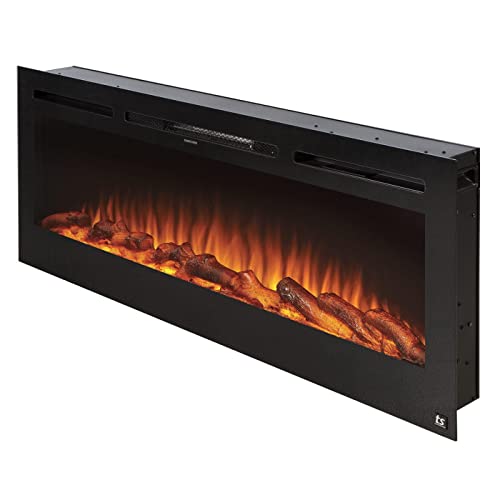
Electric vs Gas Fireplace: Which Is Right for Your Home?
An in-depth comparison of installation, heating efficiency, maintenance, safety, and long-term value to help you make a confident decision.
Quick Answer: Electric fireplaces are easier to install, require no venting, and are ideal for apartments or rooms without a chimney. Gas fireplaces produce a more realistic flame, generate significantly more heat, and can serve as a primary heat source — but they require professional installation and a gas line. Your choice depends on your home's infrastructure, heating needs, and design goals.
Why This Comparison Matters
Choosing between an electric fireplace and a gas fireplace is one of the most common dilemmas for homeowners. Both offer ambiance and warmth, but they differ dramatically in installation requirements, operating characteristics, and long-term ownership experience. This guide breaks down every factor you need to consider so you can choose with confidence.
Whether you are remodeling an existing fireplace, building a new home, or simply adding a focal point to your living room, understanding the trade-offs between these two popular options will save you time, money, and frustration. For a broader overview of all fuel types, see our guide on types of fireplaces explained.
1. Installation Requirements
Installation is often the deciding factor. Electric fireplaces are famously plug-and-play, while gas fireplaces demand infrastructure that not every home has.
⚡ Electric Fireplace Installation
- No venting or chimney required
- Standard household outlet is sufficient
- Wall-mounted, freestanding, or insert models
- DIY-friendly for most models
- Hardwired models may need an electrician
- Limited by outlet proximity for larger units
🔥 Gas Fireplace Installation
- Realistic flame and authentic look
- Can be vented or ventless
- Requires a gas line connection
- Professional installation is mandatory
- Vented models need a chimney or direct vent
- Permits and inspections often required
If your home already has a gas line and a chimney, a gas fireplace insert can be a straightforward upgrade. If you live in an apartment or a home without existing infrastructure, an electric fireplace insert is often the only practical choice. For a deeper dive into installation logistics, refer to our installation guide overview and the guide on whether you need a chimney or vent.
🏆 Installation Verdict
Electric fireplaces win for ease and flexibility. They can be installed in nearly any room, including apartments and basements, without professional help or structural modifications.
2. Heating Efficiency and Capacity
Both fireplace types provide heat, but their output and efficiency differ significantly. Electric fireplaces are nearly 100% efficient at the point of use, while gas fireplaces lose some heat through venting (unless ventless).
| Factor | Electric Fireplace | Gas Fireplace |
|---|---|---|
| Typical Heat Output | 1,500W – 5,000 BTU/hr (entry-level to mid-range) | 20,000 – 40,000+ BTU/hr (mid-range to high-end) |
| Efficiency | ~99% (all heat stays in the room) | 70–90% (vented models lose heat; ventless is ~99%) |
| Heating Area | Up to 400 sq ft (supplemental) | Up to 1,500+ sq ft (can be primary heat source) |
| Zone Heating | Excellent for single-room supplemental heat | Excellent for whole-home or large-space heating |
| Thermostat Control | Often built-in with remote | Available on mid-range and premium models |
For a detailed breakdown of heating capacity, see our guides on electric fireplace heating capacity and gas fireplace BTU guide. If you want to calculate the right size for your room, use our fireplace BTU calculator.
🏆 Heating Verdict
Gas fireplaces win for raw heating power and the ability to heat large spaces. Electric fireplaces are better suited for supplemental zone heating in a single room.
3. Operating Costs and Efficiency
Operating costs depend on local energy prices and how you use the fireplace. Electric fireplaces consume electricity, while gas fireplaces use natural gas or propane.
In general, natural gas tends to be more economical per unit of heat than electricity in many regions, but this varies widely. Electric fireplaces are often used for short periods of ambiance rather than continuous heating. For a full breakdown, read our article on electric vs gas fireplace running costs.
If you are concerned about electricity usage, see are electric fireplaces expensive to run? and fireplace electricity usage. For long-term ownership costs, including maintenance and fuel, check which fireplace saves money long-term and hidden costs of owning a fireplace.
🏆 Operating Cost Verdict
It depends on your local energy rates. Gas is often cheaper per BTU, but electric fireplaces are typically used less intensively. For occasional ambiance, electric may cost less overall; for regular heating, gas is usually more economical.
4. Maintenance Requirements
Maintenance is a major differentiator. Electric fireplaces are virtually maintenance-free, while gas fireplaces require annual servicing and periodic cleaning.
⚡ Electric Fireplace Maintenance
- No annual servicing required
- Occasional dusting of vents and glass
- No chimney cleaning
- No fuel-related wear
- Remote or LED components may eventually fail
🔥 Gas Fireplace Maintenance
- Annual professional inspection recommended
- Burner and log cleaning
- Chimney or vent inspection
- Pilot light and thermocouple checks
- Higher long-term maintenance costs
For detailed maintenance guides, see electric fireplace maintenance and gas fireplace maintenance. If you own a wood-burning fireplace and are considering a conversion, wood fireplace maintenance is also relevant. For a seasonal checklist, refer to monthly and yearly maintenance schedule.
🏆 Maintenance Verdict
Electric fireplaces win for minimal maintenance. Gas fireplaces require annual servicing and are better suited for homeowners who don't mind regular upkeep.
5. Safety Considerations
Both fireplace types are safe when installed and used correctly, but they carry different risk profiles.
Electric fireplaces produce no carbon monoxide, no open flame, and no real combustion — making them extremely safe for homes with children or pets. Gas fireplaces, especially ventless models, produce small amounts of carbon monoxide and require proper ventilation. A carbon monoxide detector is strongly recommended for any gas appliance.
For more safety information, see electric fireplace safety tips, fireplace safety guide, and signs of carbon monoxide from fireplace. If you have a gas fireplace, also read gas fireplace smells like gas? for troubleshooting.
🏆 Safety Verdict
Electric fireplaces win for inherent safety. They produce no emissions and pose no combustion risk. Gas fireplaces are safe when properly maintained and ventilated, but require more vigilance.
6. Design, Realism, and Aesthetics
Gas fireplaces generally offer a more realistic flame, with real logs, embers, and dancing flames. Electric fireplaces have improved dramatically in recent years, with some high-end models offering crackling sound effects and ultra-realistic flame technology.
If design flexibility is your priority, electric fireplaces come in a wider range of shapes, sizes, and mounting options — including wall-mounted, with mantel, and TV stand configurations. Gas fireplaces are typically built-in or inserted into an existing firebox, though freestanding ventless gas models exist.
For design inspiration, explore electric fireplace ideas and gas fireplace buying guide. If you are remodeling, see fireplace remodel ideas and fireplace makeover.
🏆 Design Verdict
Gas fireplaces win for realism, but electric fireplaces win for design versatility and modern aesthetics. Choose based on whether you prioritize authenticity or flexibility.
7. Environmental Impact
Electric fireplaces produce zero on-site emissions, but their environmental footprint depends on how your electricity is generated. Gas fireplaces burn fossil fuels directly, producing carbon dioxide and trace amounts of other byproducts.
If you live in an area with a clean energy grid, an electric fireplace is the more environmentally friendly choice. If you are considering a wood-burning alternative, note that wood fireplaces produce more particulate emissions than either electric or gas. For a broader comparison, see most energy-efficient fireplace types.
🏆 Environmental Verdict
Electric fireplaces win for zero on-site emissions. Gas fireplaces are cleaner than wood but still produce combustion byproducts.
8. Resale Value and Home Impact
A fireplace can add perceived value to a home, but the impact varies by type and market. Gas fireplaces are often viewed as a permanent, built-in feature that adds to a home's appeal. Electric fireplaces are more of a decorative addition and may not significantly increase resale value.
However, an electric fireplace can make a home more attractive to buyers who want a low-maintenance focal point. For more on this topic, see does a fireplace add value to your home?.
🏆 Resale Verdict
Gas fireplaces win for perceived resale value, especially in colder climates. Electric fireplaces are a lifestyle upgrade rather than a structural investment.
At-a-Glance Comparison
| Factor | Electric Fireplace | Gas Fireplace |
|---|---|---|
| Installation | Easy, DIY-friendly | Professional required |
| Venting | Not required | Required (unless ventless) |
| Heat Output | Supplemental (up to 5,000 BTU) | Primary (20,000–40,000+ BTU) |
| Efficiency | ~99% | 70–90% (vented); ~99% (ventless) |
| Maintenance | Minimal | Annual service recommended |
| Safety | No combustion | Safe with proper ventilation |
| Realism | Good to excellent | Excellent |
| Design Flexibility | Very high | Moderate |
| Operating Cost | Depends on electricity rates | Depends on gas rates |
| Resale Value | Minimal impact | Positive impact |
Frequently Asked Questions
Final Recommendation
There is no universal "best" fireplace — only the best fireplace for your situation. Here is a simple decision framework:
- Choose an electric fireplace if: You live in an apartment, have no existing chimney or gas line, want a low-maintenance, DIY-friendly option, or need supplemental heat for a single room.
- Choose a gas fireplace if: You have an existing gas line and chimney, want a realistic flame, need significant heating capacity, or are looking for a permanent feature that may add resale value.
For a broader view of how these two compare with wood-burning options, see electric vs gas vs wood fireplace comparison. If you are still unsure, our guide on which fireplace is right for your home? can help you decide.