Gas Fireplace Insert Replacement Cost: A Complete Guide to Budgeting Your Project
Replacing a gas fireplace insert is a significant home improvement decision. Whether your old unit is inefficient, broken, or simply outdated, understanding the cost factors helps you plan with confidence. This guide breaks down every component of gas fireplace insert replacement cost — from the unit itself to labor and potential hidden expenses — so you can make a well-informed investment.
What Determines Gas Fireplace Insert Replacement Cost?
The total cost of replacing a gas fireplace insert is not a single line item. It is the sum of several variables: the insert unit itself, venting requirements, labor, and any additional materials or modifications. Understanding each factor helps you anticipate the full scope of your project.
If you are still exploring broader options, our fireplace buying guide provides a solid foundation before diving into replacement specifics.
1. The Insert Unit: Tier and Features
The single largest expense is the new gas insert. Units are typically classified into quality tiers — entry-level, mid-range, and premium — each offering different levels of realism, efficiency, and build quality. Entry-level models provide basic flame appearance and heating, while mid-range units often include more realistic logs, better ember beds, and improved heat distribution. Premium inserts may feature hand-painted ceramic logs, advanced modulating valves, and near-silent blowers.
When selecting a replacement, consider whether you want a direct vent gas fireplace insert with blower for improved heat circulation, or a simpler vent-free option. The choice impacts both unit cost and installation complexity.
2. Venting Configuration
Venting is a major cost variable. If your existing chimney or venting system is compatible with the new insert, you may avoid significant additional expense. However, if you are switching venting types — for example, from a natural draft to a direct vent system — new venting materials and labor will be required.
For homes without a traditional chimney, a zero clearance ventless gas fireplace can simplify the installation and reduce venting costs. Conversely, if you are replacing an older wood-burning setup, you may need to consider a replace wood fireplace with gas insert approach, which often involves a stainless steel liner.
3. Labor and Installation Complexity
Labor typically represents a substantial portion of the total. Straightforward swaps — where the new insert fits the existing opening and venting — take less time and cost less. Complex installations involving masonry work, new gas lines, or electrical modifications for blowers and remote controls will increase labor charges.
It is wise to review gas fireplace installation requirements beforehand to understand what your installer will need to assess. If you are considering a DIY approach, weigh the risks against professional installation; our guide on DIY vs professional fireplace installation can help you decide.
4. Additional Materials and Modifications
Beyond the insert and labor, your project may require a new surround, mantel adjustments, or hearth modifications. If you are updating the surrounding area, you might explore options like a contemporary marble fireplace surround or a non-combustible fireplace mantel shelf to complete the look. These are optional but should be factored into your overall budget if desired.
Understanding Cost Tiers Without Specific Figures
Because prices fluctuate by region and over time, it is more useful to think in terms of relative tiers. The table below outlines what you can generally expect at each level in terms of features and project scope.
| Tier | Typical Features | Project Scope |
|---|---|---|
| Entry-Level | Basic flame, manual controls, lower efficiency, standard logs | Often a straightforward swap if venting matches; minimal extras |
| Mid-Range | More realistic logs, improved ember bed, blower option, remote control | May require electrical hookup for blower; moderate venting adjustments |
| Premium | High-definition logs, modulating valve, quiet blower, smart features | Complex install possible; electrical and venting upgrades likely |
For a deeper dive into how efficiency relates to long-term expenses, see our article on the most energy-efficient fireplace types.
What Goes Into the Labor Cost?
Labor for gas insert replacement is not a flat fee. It depends on the tasks required. Here is a breakdown of typical labor components:
- Removal and disposal of old unit: Disconnecting gas lines, removing the old insert, and proper disposal.
- Venting work: Installing new liners or adapting existing venting. This can be the most time-consuming part.
- Gas line connection: Ensuring a safe, code-compliant connection. A licensed plumber or gas fitter is usually required.
- Electrical work: If the new insert has a blower, remote, or electronic ignition, a dedicated circuit or outlet may be needed.
- Framing and finishing: If the new insert is a different size, modifications to the surround or hearth may be necessary.
- Testing and commissioning: Checking for leaks, verifying proper operation, and adjusting the flame.
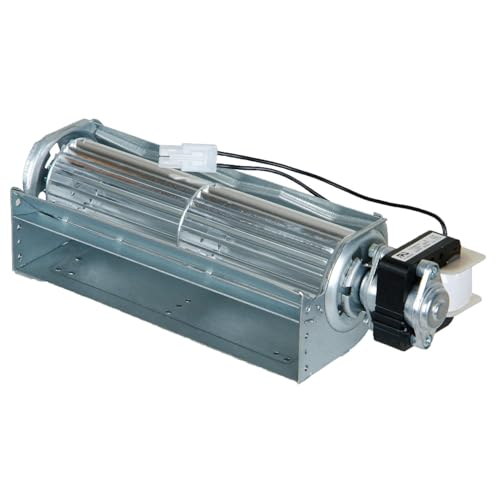
If you are replacing a blower as part of the project, our guide on installing a blower in a gas fireplace explains what that entails. A failed blower is a common reason homeowners consider a full replacement; if that is your situation, see fireplace blower fan not working for troubleshooting before committing to a new unit.
Repair or Replace? Making the Right Call
Not every malfunction requires a full replacement. Sometimes a repair is more economical. However, replacement may be the better choice if:
- The insert is over 15–20 years old and parts are difficult to source.
- Efficiency has dropped significantly, leading to higher energy bills.
- The unit has safety issues, such as cracked heat exchanger or persistent gas odors.
- You want to upgrade to a more realistic flame or better heating capacity.
For persistent issues like a weak flame, gas fireplace weak flame troubleshooting may reveal a simple fix. Similarly, if your unit will not turn off, gas fireplace won't turn off covers common causes before you decide to replace.
The Replacement Process Step by Step
Understanding the process helps you anticipate the timeline and any surprises. A typical replacement follows these stages:
- Assessment: A technician evaluates the existing setup, venting, gas line, and electrical.
- Selection: Choose a new insert that fits the opening and meets your heating and aesthetic goals.
- Preparation: Protect the surrounding area, shut off gas and power, and remove the old insert.
- Venting and connections: Install or adapt venting, connect gas, and wire electrical components.
- Installation: Set the new insert, secure it, and attach any surround or trim.
- Testing: Leak check, ignition test, flame adjustment, and blower verification.
- Cleanup and instruction: The installer cleans the area and briefs you on operation and maintenance.
After installation, regular maintenance will protect your investment. Our gas fireplace maintenance guide covers the essentials, and you may also find value in scheduling an annual fireplace inspection.
Tips to Manage Your Replacement Budget
While we do not quote figures, there are practical ways to keep your project within a comfortable range:
- Reuse existing venting when possible. If your current venting is compatible, you avoid a major cost center.
- Choose a mid-range unit. Mid-tier models often provide the best balance of realism, efficiency, and durability without the premium price.
- Bundle with other improvements. If you are already renovating the surround or hearth, combining projects can reduce overall labor.
- Consider off-season installation. Many installers offer better availability and sometimes more favorable rates during warmer months.
- Check for incentives. Some regions offer rebates for high-efficiency appliances; a local installer can advise.
If you are also curious about the broader cost landscape, our cost of gas fireplace and installation article provides additional context.
Long-Term Value of a New Gas Insert
A new gas insert is not just an expense; it is an investment in comfort and efficiency. Modern units consume less gas for the same heat output, and improved blowers distribute warmth more effectively. Over time, these efficiency gains can offset a portion of the initial outlay.
To understand the running-cost picture, see electric vs gas fireplace running costs and which fireplace saves money long-term. Additionally, a well-maintained fireplace can contribute to home value, making it an attractive feature for future buyers.
Frequently Asked Questions
How long does a gas fireplace insert replacement take?
Most straightforward replacements are completed in a single day. Complex installations involving new venting or electrical work may take two days or more.
Can I replace a gas insert with a different brand?
Yes, as long as the new unit fits the existing opening and venting can be adapted. A professional assessment is recommended to ensure compatibility.
Do I need a permit for a gas insert replacement?
Permit requirements vary by location. Many municipalities require a permit for gas appliance replacement. Check with your local building department or ask your installer. See our fireplace permit requirements guide for general guidance.
Is it worth replacing a gas insert just for aesthetics?
If the existing unit is functional but dated, an aesthetic upgrade can improve enjoyment and potentially home value. Only you can decide if the visual improvement justifies the expense.
What maintenance does a new gas insert need?
Annual inspection and cleaning are recommended. This includes checking the burner, logs, glass, and venting. See our gas fireplace maintenance guide for details.
Ready to explore replacement options? Browse our recommended gas fireplace inserts below to find the right fit for your home and budget.
View Recommended Inserts