Fireplace Insert Guide: Transform Your Existing Fireplace
Discover how a fireplace insert can dramatically improve the efficiency, safety, and beauty of your current fireplace. Our comprehensive guide covers everything you need to know before you buy.
View Recommended InsertsWhat is a Fireplace Insert?
A fireplace insert is a self-contained appliance designed to be installed into an existing masonry or factory-built fireplace. Unlike a traditional open hearth, which is notoriously inefficient and can actually pull warm air out of your home, an insert is a sealed unit that dramatically improves heating efficiency. It acts as a firebox within your firebox, often featuring glass doors, a dedicated combustion system, and a blower fan to circulate heat effectively.
Think of it as a powerful upgrade. If you love the look of your fireplace but are frustrated by its poor heating performance or the mess it creates, an insert is the ideal solution. It allows you to retain the focal point of your living room while turning it into a genuine heat source. For a broader understanding of different fireplace categories, you can explore our guide on types of fireplaces.
Why You Should Consider a Fireplace Insert
Upgrading to an insert is one of the most impactful home improvements you can make for both comfort and savings. The primary reason is efficiency. A traditional open fireplace operates at a mere 5-10% efficiency, meaning most of the heat and all of the money you spend on fuel goes straight up the chimney. A modern insert, however, can achieve 60-80% efficiency or even higher, transforming your fireplace from an energy drain into a valuable heating asset.
Beyond efficiency, inserts offer significant safety and convenience benefits. Because they are sealed, they prevent sparks, embers, and smoke from entering your living space, making them a safer choice for homes with children and pets. They also reduce the amount of creosote that accumulates in your chimney, lowering the risk of a chimney fire. For those concerned about air quality, inserts burn fuel more completely, producing fewer emissions.
Types of Fireplace Inserts: Finding Your Fit
Fireplace inserts are categorized primarily by the fuel they use. Each type has its own distinct advantages, installation requirements, and aesthetic. Your choice will depend on your home's existing infrastructure, your heating needs, and your personal preferences. To help you decide which fuel type aligns best with your lifestyle, our detailed fireplace buying guide is an excellent starting point.
Wood Burning Inserts
For those who love the traditional crackle and aroma of a real wood fire, a wood-burning insert is the answer. Modern EPA-certified models are highly efficient and produce significantly less smoke than older fireplaces. They are ideal for homes with access to seasoned firewood and are excellent for zone heating. Installation typically requires a stainless steel chimney liner, which is a crucial component for both safety and performance. You can learn more about this in our article on high-efficiency wood burning inserts.
Gas Inserts
Gas inserts are prized for their convenience, cleanliness, and realistic flames. They can run on natural gas or propane and are often controlled by a remote or a wall thermostat, offering instant heat at the push of a button. They require either a gas line connection or a propane tank, and most are direct-vent, meaning they can be installed without a traditional chimney. If you're considering this route, exploring gas fireplace insert options is a great next step.
Electric Inserts
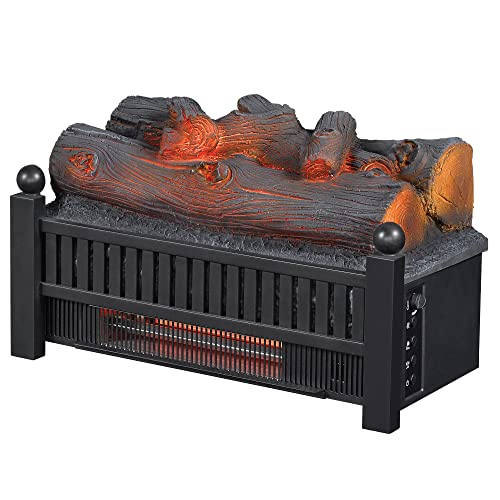
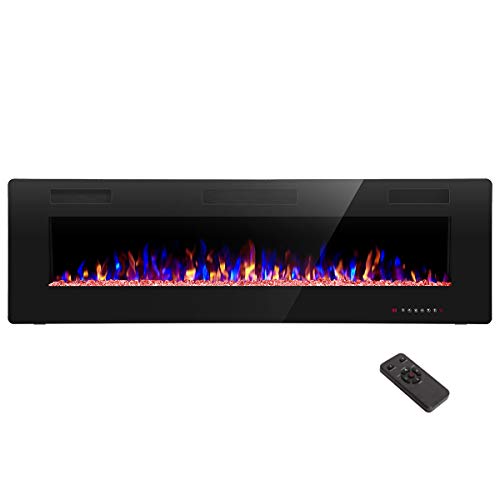
Electric inserts offer the ultimate in installation flexibility. They require no venting, no gas line, and no chimney—just a standard electrical outlet. While they don't produce a real flame, modern models feature incredibly realistic LED flame effects and can provide supplemental heat. They are perfect for apartments, bedrooms, or as a decorative addition to a room where a traditional fireplace is impractical. For a deep dive, see our page on electric fireplace inserts.
Sizing Your Insert: The Key to Effective Heating
Choosing the right size insert is critical. An insert that is too small will struggle to heat your space, while one that is too large will cycle on and off frequently, wasting energy and causing uncomfortable temperature swings. The key metric to understand is BTU (British Thermal Unit), which measures heat output.
As a general rule of thumb, you need approximately 30-40 BTUs per square foot of living space in a moderate climate, but this can vary based on insulation, ceiling height, and window quality. Before you buy, it's wise to perform a proper heat load calculation. Our article on fireplace heating capacity and BTU provides a more detailed explanation. You can also use a BTU calculator as a starting point.
Equally important is the physical size of the insert. It must fit within the opening of your existing fireplace, and you must also consider the dimensions of your hearth. An insert that protrudes too far can be a safety hazard and look out of place. Always measure your fireplace opening carefully and compare it to the specifications of the insert you are considering.
Installation & Venting: What to Expect
Installation requirements vary significantly by fuel type. Gas and electric inserts are generally simpler to install than wood-burning models. Electric inserts are a straightforward DIY project for many homeowners, as they only require a power source. Gas inserts require a professional to run a gas line and connect the unit, but they are often direct-vent, which simplifies the chimney requirement.
Wood-burning inserts are the most complex. They almost always require the installation of a stainless steel chimney liner that runs the full height of your chimney. This liner is essential for safety and efficiency, as it contains the flue gases and protects your chimney from excessive heat and creosote. This is a job that must be handled by a certified professional. Understanding these requirements is a key part of the fireplace installation guide. A qualified installer will also ensure your installation meets all local building codes, a topic we cover in our guide on fireplace permit requirements.
Maintenance & Troubleshooting
Like any home appliance, a fireplace insert requires regular maintenance to operate safely and efficiently. For wood inserts, this means regular ash removal, cleaning the glass, and an annual chimney inspection and cleaning by a professional to prevent creosote buildup. You can find a complete schedule in our fireplace maintenance schedule.
Gas inserts have fewer maintenance demands, but it's still important to have them inspected annually by a qualified technician to check for leaks and ensure all components are working correctly. Electric inserts are the lowest maintenance; they mainly require occasional dusting and cleaning of the glass. If you ever encounter issues, our fireplace insert troubleshooting guide can help you diagnose common problems, from a blower fan not working to issues with the remote control.
Key Factors for Your Decision
To recap, here is a summary of the primary factors to consider when choosing a fireplace insert. This comparison will help you narrow down the best option for your home.
| Factor | Wood Insert | Gas Insert | Electric Insert |
|---|---|---|---|
| Efficiency | High (60-80%+) | High (70-90%+) | Variable (100% at point of use) |
| Installation | Complex (requires liner & pro) | Moderate (requires gas line & pro) | Simple (plug-and-play) |
| Heat Type | Zone heating, radiant & convective | Zone heating, convective | Supplemental, convective |
| Ambiance | Authentic wood fire | Realistic flame | Simulated flame |
| Maintenance | High (ash, chimney) | Moderate (annual inspection) | Low (dusting) |
| Best For | Primary heat source, off-grid | Convenience, instant heat | Apartments, flexibility, decor |