Fireplace Insert Into Existing Fireplace
Transform your old, inefficient fireplace into a powerful heating source with a modern insert. This complete guide covers types, sizing, installation, and top recommendations for your existing fireplace.
Explore Insert TypesWhy Upgrade with an Insert? A fireplace insert is essentially a firebox that fits inside your existing fireplace. It dramatically improves heating efficiency, reduces creosote buildup, and can cut heating costs by up to 40% compared to a traditional open fireplace. It's the smartest upgrade for any homeowner looking to get real heat from their fireplace.
What Exactly Is a Fireplace Insert?
A fireplace insert is a self-contained appliance designed to be installed inside an existing masonry or prefabricated fireplace. Unlike a simple log set, an insert typically includes a firebox, a combustion system, and often a blower fan to distribute heat into the room. It seals against the fireplace opening with a surround panel, preventing room air from escaping up the chimney and stopping cold drafts.
If you're still exploring the basics, our beginner's guide to fireplaces provides a solid foundation. For a broader understanding of how inserts compare to other options, see our types of fireplaces explained.
Types of Fireplace Inserts for Existing Fireplaces
Choosing the right insert depends on your existing chimney, fuel availability, and heating goals. Here are the four main categories.
🔥 Gas Fireplace Inserts
Gas inserts are the most popular choice for existing fireplaces because they offer convenience, realistic flames, and high efficiency. They can run on natural gas or propane.
- Push-button or remote ignition
- Efficiency up to 80% or higher
- Direct vent or ventless options
- Minimal maintenance
⚡ Electric Fireplace Inserts
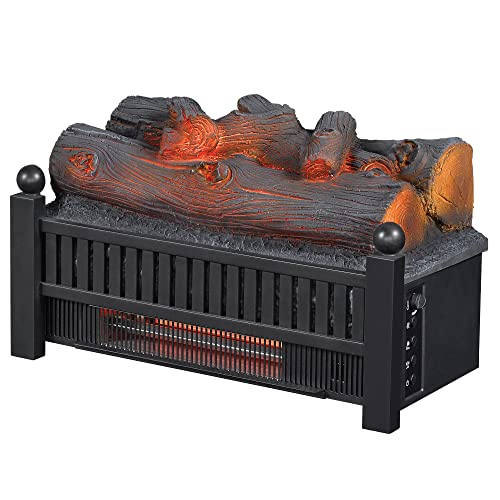
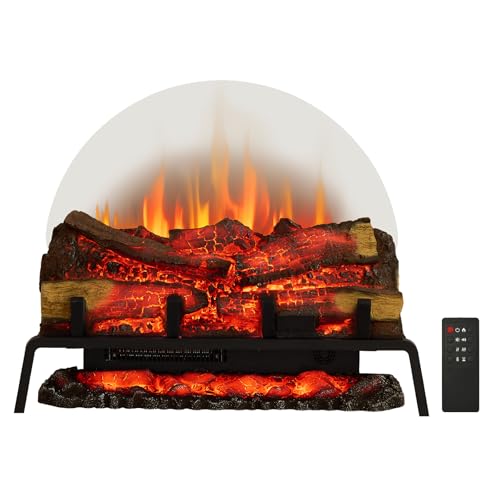
Electric inserts are the easiest to install because they require no venting, gas line, or chimney. They plug into a standard outlet and provide supplemental heat.
- No chimney or venting required
- 100% efficient at the point of use
- Realistic LED flame effects
- Can be used with or without heat
🪵 Wood Burning Inserts
Wood inserts are ideal if you have access to firewood and want the authentic crackle and warmth of a real fire. They are highly efficient when EPA-certified.
- EPA-certified models available
- Efficiency up to 70–80%
- Requires a stainless steel chimney liner
- Blower fan distributes heat effectively
🌿 Ethanol Fireplace Inserts
Ethanol inserts are a niche but growing option for those who want a clean-burning, vent-free flame without gas or electricity. They burn bio-ethanol fuel.
- No venting or chimney needed
- Clean-burning and eco-friendly
- No odors or ashes
- Best for ambiance, not primary heat
Insert Type Comparison: Which Is Right for You?
Use this table to quickly compare the key characteristics of each insert type. Remember that your existing fireplace and chimney condition will heavily influence your choice.
| Feature | Gas Insert | Electric Insert | Wood Insert | Ethanol Insert |
|---|---|---|---|---|
| Venting Required | Yes (direct vent or ventless) | No | Yes (chimney liner) | No |
| Heating Efficiency | High (up to 80%+) | High (100% at point of use) | High (70–80% EPA) | Low (ambiance only) |
| Installation Complexity | Moderate (gas line + vent) | Easy (plug-in) | High (liner + chimney) | Easy (no vent) |
| Best For | Convenience & realistic flame | Apartments & easy retrofits | Authentic wood fire & heating | Eco-friendly ambiance |
| Maintenance Level | Low | Very Low | Moderate to High | Low |
Sizing Your Insert: Will It Fit Your Existing Fireplace?
Before you buy, you must measure your existing fireplace opening precisely. Inserts are designed to fit standard sizes, but every fireplace is slightly different. Measure the width, height, and depth of the opening, as well as the size of the hearth.
For a detailed walkthrough on measurements and BTU requirements, see our fireplace sizing guide and our BTU heating capacity guide. If you have a smaller space, you may want to check our recommendations for fireplaces for small spaces.
Installation: What to Expect
Installation complexity varies greatly by insert type. Electric inserts are the simplest—often a DIY-friendly project. Gas and wood inserts typically require professional installation due to venting, gas lines, and chimney modifications.
For a step-by-step overview, visit our fireplace installation guide. If you're considering a gas insert, our gas installation requirements page is essential reading. For wood inserts, you'll need a stainless steel chimney liner—see our guide on chimney liners for wood burning fireplaces.
Not sure whether to hire a pro or DIY? Our article on DIY vs professional installation breaks it down. Also, check permit requirements for your area.
Benefits of Installing an Insert Into Your Existing Fireplace
💰 Energy Savings
Traditional open fireplaces lose up to 90% of their heat up the chimney. A modern insert can reduce your heating costs significantly by improving efficiency to 70–80% or more. See our energy saving tips for more ways to save.
🌍 Environmental Impact
EPA-certified wood inserts and efficient gas inserts produce far fewer emissions than open fires. This is better for your health and the environment. Learn about the most energy-efficient fireplace types.
🏠 Increased Home Value
A functional, efficient fireplace is a desirable feature for home buyers. An insert can modernize an old fireplace and potentially increase your home's appeal. Read more about how a fireplace adds value.
🛡️ Safety Improvements
Inserts are sealed systems, which reduces the risk of sparks and smoke entering the room. They also help prevent backdrafts. For safety, always ensure proper installation and maintenance.
Maintenance After Installation
Regular maintenance is key to keeping your insert running safely and efficiently. This includes annual inspections, cleaning glass, and for wood inserts, chimney cleaning. Our fireplace maintenance hub has comprehensive resources.
Specific guides you may find useful:
- Gas fireplace maintenance guide
- Electric fireplace maintenance tips
- Wood fireplace maintenance routine
- Chimney cleaning: when, why & how
- Annual fireplace inspection guide
Common Insert Issues & Troubleshooting
Even the best inserts can develop issues. Here are some common problems and where to find solutions:
Gas Insert Issues
Electric Insert Issues
Wood Insert Issues
Frequently Asked Questions
Can I install a fireplace insert into any existing fireplace?
Most masonry and prefabricated fireplaces can accept an insert, but you must verify the dimensions and condition of the chimney. Some older fireplaces may require modifications. Always consult a professional installer for an assessment.
Do I need a chimney liner for a wood insert?
Yes, almost all wood burning inserts require a stainless steel chimney liner to safely vent exhaust and protect your chimney from creosote. This is typically a professional installation. See our chimney liner guide.
Can an electric insert be used in a wood burning fireplace?
Absolutely. Electric inserts are a popular choice for converting an old wood fireplace because they require no venting. You simply place the insert inside the existing firebox and plug it in. See our electric insert guide.
How much does it cost to install a gas insert?
Costs vary widely based on your location, the insert model, and whether a gas line is already present. For a general idea, see our fireplace cost breakdown and cost of gas insert installation.
Will a fireplace insert heat my whole house?
It depends on the size of your home and the insert's BTU output. A large wood or gas insert can supplement heating for a significant area, but typically not an entire house. See can a fireplace heat an entire house?
How do I maintain my insert?
Regular maintenance includes annual inspections, cleaning glass, and for wood inserts, chimney cleaning. Refer to our maintenance schedule and specific guides for gas, electric, and wood.
Final Thoughts: Making the Right Choice
Installing a fireplace insert into your existing fireplace is one of the most effective ways to upgrade your home's heating and aesthetics. Whether you choose the convenience of gas, the simplicity of electric, the authenticity of wood, or the eco-friendly nature of ethanol, there's an insert to match your needs.
Start by measuring your fireplace, assessing your fuel options, and setting a budget (using our tier descriptors to guide you). Then explore our recommended products below to find the perfect insert for your home.
For a broader overview of the buying process, don't miss our complete fireplace buying guide.