Electric Fireplace Buying Guide
Everything you need to know before choosing an electric fireplace for your home — heating capacity, installation, flame realism, and safety.
View Recommended ModelsWhy This Guide Matters: Electric fireplaces have become the most versatile heating and ambiance solution for modern homes. Unlike gas or wood models, they require no venting, no chimney, and minimal installation. But with hundreds of options available, choosing the right one requires understanding a few key factors. This guide walks you through each one.
What Is an Electric Fireplace?
An electric fireplace is a heating appliance that generates warmth using electricity and displays flames through LED lights, mirrors, or water vapor technology. Unlike traditional fireplaces, it does not burn fuel, produce smoke, or require ventilation. This makes it suitable for apartments, condos, basements, and even RVs.
Modern electric fireplaces fall into several categories: wall-mounted units, built-in inserts, freestanding models, and TV stands with integrated fireplaces. Each type serves a different purpose, from pure ambiance to supplemental heating. If you are new to fireplaces in general, start with our beginner guide to fireplaces before diving into electric-specific details.
Understanding how electric fireplaces differ from other types is essential. Our types of fireplaces explained article provides a side-by-side breakdown, while the electric vs gas vs wood comparison helps you decide if electric is the right fuel type for your home.
Heating Capacity: How Much Warmth Do You Need?
The heating capacity of an electric fireplace is measured in British Thermal Units (BTU) or watts. Most residential electric fireplaces produce between 4,000 and 5,100 BTU, which translates to roughly 1,500 watts. This is enough to heat a room up to 400 square feet, depending on insulation and ceiling height.
If your goal is to heat a larger space, look for models specifically designed for that purpose. Our guide on electric fireplaces that heat up to 1,000 sq ft covers high-output units. For a broader understanding of heating calculations, refer to the fireplace heating capacity BTU guide.
It is important to understand that electric fireplaces are generally used as supplemental heating sources rather than primary heating systems. They are excellent for zone heating — warming the room you are in while lowering the thermostat for the rest of the house. If you are wondering whether a fireplace can heat an entire house, our article on whether a fireplace can heat an entire house provides a realistic assessment.
Installation Types: Which One Fits Your Space?
Electric fireplaces offer more installation flexibility than any other type. The four main options are:
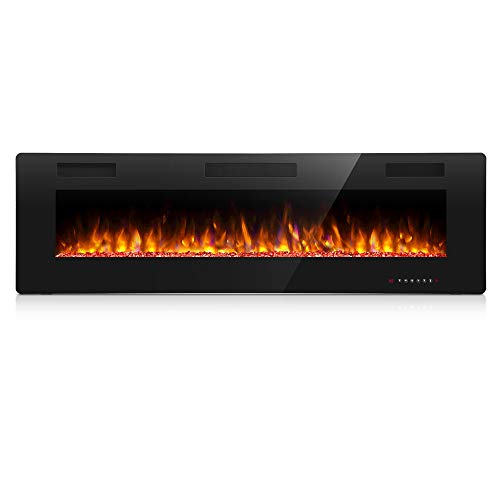
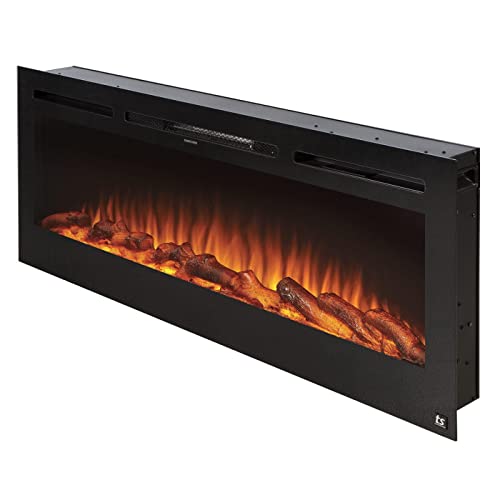
- Wall-Mounted: Mounted directly on the wall, these units save floor space and create a modern focal point. They are ideal for living rooms and bedrooms. See our guide on flat wall-mounted electric fireplaces for details.
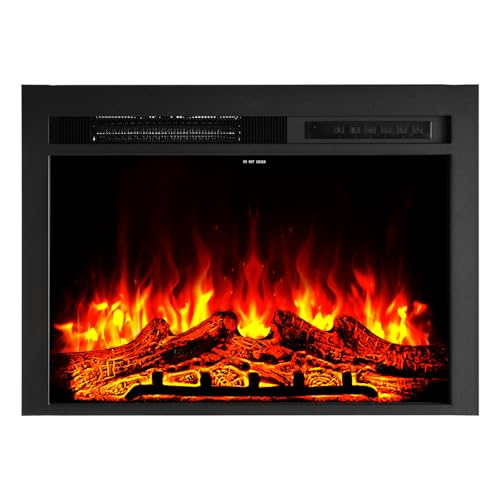
- Built-In / Recessed: Installed inside a wall cavity for a seamless look. These require framing but offer the most polished appearance. Learn more in our electric fireplace recessed insert article.
- Freestanding: Portable units that can be moved from room to room. They are perfect for renters or those who want flexibility. Check our built-in vs freestanding comparison for pros and cons.
- Insert: Designed to fit into an existing fireplace opening. This is a popular way to convert a traditional wood-burning fireplace without major renovation. See our guide on electric fireplace inserts for existing fireplaces.
If you are still deciding between installation styles, the wall-mounted vs insert vs freestanding comparison breaks down the differences in cost, effort, and aesthetics. For a step-by-step overview, read our plug-and-play installation guide.
Flame Realism: LED vs Water Vapor
Not all electric flames look the same. The two main technologies are:
- LED Flame: Uses LED lights and rotating mirrors to simulate flames. This is the most common and affordable technology. Modern LED flames can look quite realistic, especially in most realistic wall-mounted electric fireplaces.
- Water Vapor Flame: Uses mist and LED lights to create a flame that looks and behaves more like real fire. These units are typically premium or luxury tier. Learn more in our freestanding water vapor fireplace guide.
If realism is your top priority, look for models with adjustable flame colors, brightness, and speed settings. Some high-end models even include crackling sound effects to complete the experience.
Efficiency and Running Costs
Electric fireplaces are nearly 100% efficient at converting electricity into heat. This means almost all the energy consumed is turned into warmth, unlike gas or wood fireplaces where some heat escapes through the chimney. However, electricity can be more expensive per unit of heat than natural gas in many regions.
To understand the real-world cost of running an electric fireplace, see our article on electric fireplace electricity usage. For a direct comparison with gas models, read gas vs electric fireplace running costs.
If you want to minimize running costs, consider models with thermostats and timers. Our electric fireplace energy saving tips provides practical advice. The broader question of whether electric fireplaces are expensive to run is answered in are electric fireplaces expensive to run.
Safety Features to Look For
Electric fireplaces are generally safer than gas or wood models because they do not produce carbon monoxide or open flames. However, you should still look for these safety features:
- Overheat Protection: Automatically shuts off the unit if it gets too hot.
- Cool-to-Touch Surface: Important if you have children or pets.
- Tip-Over Shutoff: Essential for freestanding units.
- Timer and Thermostat: Prevents accidental prolonged operation.
For a complete overview, read our electric fireplace safety guide. If you are concerned about carbon monoxide, our article on whether electric fireplaces produce CO will put your mind at ease. Also, check our guide on how close furniture can be to a fireplace for safe placement.
Electric Fireplace Types: Quick Comparison
| Type | Best For | Installation | Heating Output | Realism |
|---|---|---|---|---|
| Wall-Mounted | Modern living rooms, bedrooms | Easy (bracket mount) | Entry to mid-range | Moderate to high |
| Built-In / Recessed | Custom builds, renovations | Moderate (framing required) | Mid to premium | High |
| Freestanding | Renters, flexible spaces | None (plug and play) | Entry to mid-range | Moderate |
| Insert | Converting existing fireplace | Moderate (sizing required) | Mid to premium | High |
| TV Stand with Fireplace | Living rooms, media walls | None (assembly required) | Entry to mid-range | Moderate |
For more detailed comparisons, see our electric fireplace TV stand guide or explore electric fireplace and TV wall ideas.
Pros and Cons of Electric Fireplaces
✅ Pros
- No venting or chimney required
- Easy installation (plug and play)
- Safe for apartments and condos
- Can be used with or without heat
- Low maintenance
- Portable options available
❌ Cons
- Higher operating cost than gas
- Limited heating capacity (supplemental)
- Flame realism varies by model
- Requires electricity to operate
- No real fire experience
For a deeper dive into the pros and cons of each fireplace type, read our pros and cons of each fireplace type article.
Maintenance and Troubleshooting
Electric fireplaces are low maintenance, but they still require occasional care. Dust the vents, clean the glass (if applicable), and inspect the cord for damage. Our cleaning electric fireplace guide covers the basics, while electric fireplace maintenance tips provides a seasonal checklist.
If something goes wrong, most issues are easy to diagnose. Common problems include the heater not working, the flame not displaying, or the remote not responding. Our electric fireplace not heating and flame not working guides walk you through fixes. For remote issues, see remote control not working.
If your unit keeps tripping the breaker, read electric fireplace tripping breaker. For unusual noises, see electric fireplace buzzing noise. And if you need to reset your unit, our how to reset an electric fireplace guide explains the process.
Frequently Asked Questions
Do electric fireplaces really heat a room?
Yes, most electric fireplaces produce between 4,000 and 5,100 BTU, which is enough to heat a room up to 400 square feet. They are best used as supplemental heating. Read our full answer in do electric fireplaces heat a room.
Are electric fireplaces tacky or realistic?
Modern electric fireplaces, especially premium models with water vapor or advanced LED technology, can look very realistic. Our article on are electric fireplaces tacky explores this in detail.
Can I install an electric fireplace in an apartment?
Yes, electric fireplaces are ideal for apartments because they require no venting and minimal installation. See our guide on apartment fireplace installation.
How long does installation take?
Wall-mounted and freestanding models can be installed in under an hour. Built-in and insert models may take a few hours or require professional installation. Learn more in how long installation takes.
Do I need a permit for an electric fireplace?
In most cases, no permit is required for plug-in electric fireplaces. However, built-in models may require a permit depending on local regulations. See fireplace permit requirements.
Ready to Choose Your Electric Fireplace?
Explore our recommended models below, selected based on heating capacity, realism, and value.
See Recommended Models