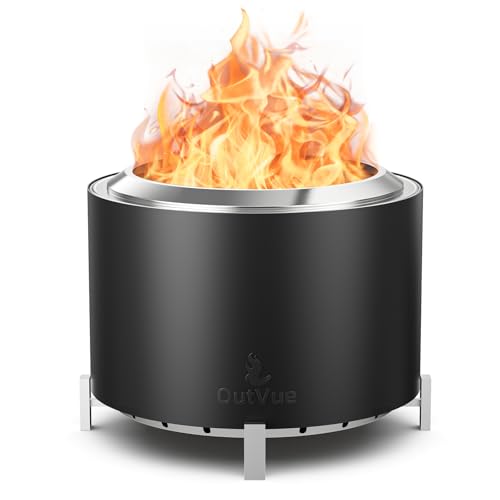
Stainless Steel Smokeless Fire Pit: Complete Buying Guide
Discover how stainless steel smokeless fire pits deliver a cleaner, more enjoyable outdoor experience. Learn about airflow technology, material grades, and key features to consider before you buy.
VIEW TOP PICKSWhy Stainless Steel? Stainless steel offers superior corrosion resistance, durability, and a modern aesthetic compared to painted or carbon steel fire pits. When combined with smokeless airflow technology, it creates a long-lasting, low-maintenance centerpiece for your patio.
What Is a Smokeless Fire Pit?
A smokeless fire pit is an outdoor heating appliance engineered to burn wood more efficiently, dramatically reducing the amount of smoke produced. Traditional fire pits rely on a simple pile of wood and a basic air supply, which often leads to incomplete combustion and heavy smoke. Smokeless models use a double-wall construction with strategically placed air vents. Primary air enters from the bottom to feed the fire, while secondary air is drawn up through the walls and released above the flames. This superheated oxygen ignites the smoke particles before they escape, resulting in a cleaner, hotter burn.
Stainless steel is the preferred material for these pits because it withstands the intense heat cycles without warping or rusting. Unlike painted steel, which can chip and corrode over time, stainless steel maintains its appearance and structural integrity season after season. For homeowners who value both performance and longevity, a stainless steel smokeless fire pit represents a smart investment in outdoor comfort.
If you are comparing this with other outdoor heating options, you might also explore outdoor wood burning fire pit for wooden deck or consider a free standing outdoor wood burning fireplaces for a more permanent structure.
How Does Smokeless Technology Work?
The science behind smokeless fire pits is straightforward but highly effective. When wood burns, it releases volatile gases and fine particles. In a conventional fire pit, these byproducts rise as smoke because there is not enough oxygen or heat to burn them. A smokeless design solves this by creating a secondary combustion zone. Here is the typical process:
1. Primary Airflow
Air enters through vents at the base of the fire pit, feeding oxygen directly to the wood. This creates a hot, concentrated fire core.
2. Secondary Airflow
Additional air is drawn through the double walls. As it travels upward, it gets preheated by the fire's heat.
3. Secondary Combustion
The superheated air is released just above the flames. It ignites the smoke particles, turning them into visible flame and extra heat.
4. Reduced Emissions
The result is a fire that produces very little smoke, making it more enjoyable to sit around and better for your neighbors.
This process not only reduces smoke but also increases heat output. Because the smoke is burned as fuel, you get more warmth from the same amount of wood. Many users find that a smokeless fire pit heats a larger area than a traditional pit of similar size. For those interested in maximizing efficiency, understanding fireplace heating capacity BTU guide can provide additional context on heat output.
Key Features to Compare in Stainless Steel Smokeless Fire Pits
Not all stainless steel smokeless fire pits are created equal. When shopping, pay attention to the following features to ensure you get a product that matches your needs and expectations.
Material Grade: 304 vs. 430 Stainless Steel
Most stainless steel fire pits use either 304 or 430 grade. 304 stainless steel contains nickel and chromium, making it highly resistant to rust and corrosion. It is the same grade used in many kitchen appliances and marine applications. 430 stainless steel is magnetic and contains less nickel, offering moderate corrosion resistance. It is often used in budget-friendly models. For coastal areas or regions with high humidity, 304 is the better choice. The difference in durability is significant, especially if the fire pit will be left outdoors year-round.
Double-Wall Construction
The double-wall design is the heart of smokeless technology. A well-constructed fire pit will have a sturdy outer wall and an inner wall with precisely positioned vents. The gap between the walls serves as the secondary air channel. Cheaper models may have thin walls or poorly aligned vents, which can reduce smoke reduction efficiency. A mid-range or high-end smokeless fire pit typically features thicker stainless steel and more precise engineering for optimal airflow.
Size and Heat Output
Smokeless fire pits come in various diameters, from compact 19-inch models for small patios to large 30-inch or bigger units for spacious backyards. Larger pits can hold more wood and produce more heat, but they also require more fuel. Consider the size of your outdoor area and how many people will typically gather around. A mid-sized pit around 24 to 27 inches is a versatile choice for most homes. If you need a more permanent outdoor heating solution, you might also look at rectangular propane fire pit table which offers a different fuel option.
Portability and Accessories
Some stainless steel smokeless fire pits are designed to be portable, with handles or a lightweight build. Others are meant to stay in one place. Consider whether you need to move the pit for storage or if it will remain on your patio. Many models come with accessories such as a spark screen, poker, and a weather-resistant cover. These additions can enhance safety and convenience. A premium model often includes a sturdy stand or legs that elevate the pit for better airflow and heat distribution.
Quick Comparison: Entry-Level vs. Mid-Range vs. Premium
| Feature | Entry-Level | Mid-Range | Premium |
|---|---|---|---|
| Material Grade | 430 stainless steel | 304 stainless steel (some parts) | 304 stainless steel (full) |
| Wall Thickness | Thinner gauge | Moderate gauge | Heavy-duty gauge |
| Smoke Reduction | Good | Very good | Excellent |
| Accessories Included | Minimal | Some (poker, cover) | Comprehensive (screen, cover, poker, stand) |
| Warranty | Short-term | Moderate | Extended |
| Best For | Occasional use | Regular use | Frequent use & durability |
Maintenance Tips for Stainless Steel Smokeless Fire Pits
Stainless steel is low-maintenance, but a few simple steps will keep your fire pit looking great and performing well for years. Regular care also extends the life of the product and ensures safe operation.
- Clean after each use: Once the fire pit has cooled completely, remove the ash. Ash can trap moisture and lead to surface stains. Use a soft brush or vacuum to clean the interior.
- Wipe the exterior: Use a damp cloth with mild soap to wipe down the stainless steel surface. Avoid abrasive cleaners or steel wool, which can scratch the finish. For stubborn stains, a stainless steel cleaner is recommended.
- Address rust spots promptly: Even 304 stainless steel can develop superficial rust if exposed to salt or harsh chemicals. Remove any rust spots with a non-abrasive pad and a stainless steel polish.
- Store or cover during off-season: If you live in an area with harsh winters, consider storing the fire pit in a dry place or using a waterproof cover. This prevents prolonged exposure to moisture.
- Inspect vents and walls: Periodically check that the air vents are not blocked by ash or debris. Clear any obstructions to maintain optimal airflow and smokeless performance.
For general outdoor maintenance guidance, you might find our outdoor fireplace maintenance tips useful, as many principles apply to fire pits as well.
Safety Considerations
While smokeless fire pits are designed to be safer and cleaner than traditional pits, basic safety precautions are essential. Always place your fire pit on a non-combustible surface such as concrete, stone, or a fireproof mat. Keep it away from low-hanging branches, furniture, and structures. Never leave a fire unattended, and keep a fire extinguisher or a bucket of sand nearby. For extra protection, consider using a fireproof mats for in front of fireplace to catch embers and protect your deck or patio.
If you are using your fire pit on a wooden deck, be sure to check local regulations and always use a heat shield or barrier underneath. Our guide on outdoor wood burning fire pit for wooden deck provides more detailed advice on safe installation.
Why Choose Stainless Steel Over Other Materials?
Stainless steel stands out among fire pit materials for several reasons. It does not rust as easily as carbon steel, it does not chip like painted finishes, and it does not crack like cast iron or ceramic. Its sleek, modern appearance complements contemporary outdoor furniture and landscaping. Additionally, stainless steel is easy to clean and maintain, making it a practical choice for homeowners who want a fire pit that looks good with minimal effort.
Compared to other outdoor heating options, a stainless steel smokeless fire pit offers a balance of portability, efficiency, and style. If you are considering a built-in option, you might also explore prefabricated outdoor fireplace kits or freestanding outdoor gas fireplace for a different aesthetic and fuel type.
Frequently Asked Questions
Do stainless steel smokeless fire pits really produce no smoke?
They produce significantly less smoke than traditional fire pits, but "smokeless" does not mean zero smoke. When used correctly with dry, seasoned wood and proper airflow, smoke is reduced by up to 70–90%. Some smoke may still be visible when the fire is first started or if the wood is damp.
Can I use a stainless steel smokeless fire pit on a wooden deck?
Yes, but you must take precautions. Always place the fire pit on a non-combustible surface such as a fireproof mat or a stone slab. Ensure there is adequate clearance from walls and railings. Never leave it unattended. Check local fire codes for specific regulations.
What type of wood should I burn in a smokeless fire pit?
Use dry, seasoned hardwood such as oak, hickory, or maple. Avoid softwoods like pine or cedar, which produce more creosote and smoke. Never burn treated lumber, plywood, or trash, as these can release toxic fumes.
How do I clean a stainless steel smokeless fire pit?
After the fire is completely out and the pit has cooled, remove the ash. Wipe the exterior with a damp cloth and mild soap. For stubborn stains, use a stainless steel cleaner. Avoid abrasive materials that can scratch the surface.
Is 304 stainless steel better than 430 for a fire pit?
Yes, 304 stainless steel is superior in terms of corrosion resistance and durability. It contains nickel, which makes it more resistant to rust. 430 is a budget-friendly option but may corrode faster in humid or coastal environments.
Ready to Choose Your Stainless Steel Smokeless Fire Pit?
Now that you understand how smokeless technology works and what features matter most, you are ready to make an informed decision. Explore our top recommendations below.
SEE RECOMMENDED MODELS