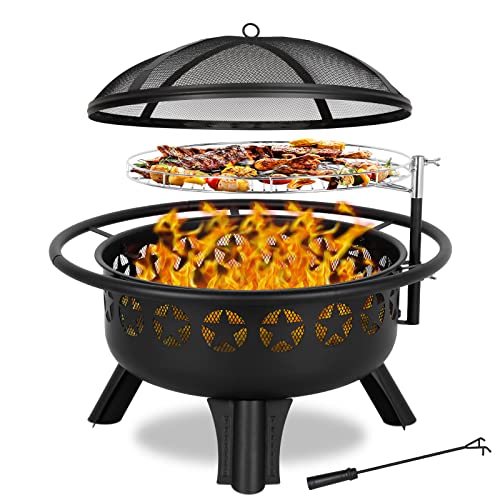
Outdoor Wood Burning Fire Pit for Wooden Deck: Safe, Stylish & Smart Guide
Everything you need to know before choosing a wood-burning fire pit for your wooden deck. Learn about safety clearances, material choices, sizing, and the best options for a cozy, worry-free outdoor space.
Explore the GuideWhy this guide matters: A wood-burning fire pit on a wooden deck is one of the most inviting additions to any home—but it demands careful planning. Wooden decks are combustible, so the right fire pit, placement, and safety habits are non-negotiable. This guide walks you through every decision so you can enjoy the crackle of real wood without compromising your deck or your peace of mind.
Why Choose a Wood Burning Fire Pit for Your Wooden Deck?
A wood-burning fire pit brings unmatched ambiance—the crackling sound, the natural scent, and the dancing flames create an experience that gas or electric models simply cannot replicate. For homeowners with a wooden deck, the appeal is obvious: extend your living space into the evening, host cozy gatherings, and add a stunning focal point to your outdoor area.
However, wood-burning units require more attention than other fire pit types. You need to manage embers, ash, and heat radiation. That's why choosing the right design—and understanding how to place it safely on a wooden surface—is essential. If you're also considering alternative outdoor heating options, our guide on contemporary outdoor fireplace designs offers broader inspiration for your deck or patio.
Key Considerations for a Wood Burning Fire Pit on a Wooden Deck
🔥 Safety Clearance & Placement
Wooden decks are combustible, so clearance is critical. Most manufacturers recommend a minimum of 10 feet from any structure, and at least 3 feet from combustible deck railings. Always place your fire pit on a non-combustible surface—a fireproof mat or a dedicated stone pad is a smart investment. For related safety accessories, see our guide on fireproof mats for in front of fireplace.
- Never place a wood-burning fire pit directly on wooden decking without a heat shield.
- Keep a fire extinguisher or bucket of sand nearby.
- Check local fire codes—some areas restrict wood burning on decks.
📐 Size & Heat Output
Match the fire pit size to your deck and seating area. A mid-range or premium unit with a 30–36 inch diameter works well for most residential decks, providing ample warmth without overwhelming the space. Consider the hearth capacity and BTU guide to understand heat output—wood fire pits typically produce 20,000–40,000 BTU depending on wood load and design.
- Entry-level: compact, thinner steel—best for occasional use.
- Mid-range: thicker gauge steel, better airflow, longer lifespan.
- Premium/luxury: heavy-duty cast iron or stainless steel, superior draft and durability.
🪵 Material & Durability
The material determines how well your fire pit withstands heat and weather. Stainless steel and cast iron are top-tier for wood burning, while powder-coated steel is common in mid-range models. Avoid thin, lightweight metals that can warp. For a cohesive outdoor design, explore freestanding outdoor gas fireplace options as an alternative or complement.
- Cast iron: Excellent heat retention, heavy, premium tier.
- Stainless steel: Rust-resistant, modern look, high-end.
- Powder-coated steel: Budget-friendly, needs cover, mid-tier.
💨 Smoke & Airflow
Nobody wants a deck full of smoke. A well-designed fire pit with secondary combustion or a smokeless design dramatically reduces smoke. Look for models with vented sides or a double-wall construction. If smoke is a recurring issue, our fireplace smoke problem guide offers troubleshooting principles that also apply to fire pits.
- Choose a fire pit with airflow vents for cleaner burns.
- Position the pit so prevailing winds carry smoke away from seating.
- Use seasoned hardwood—it produces less smoke than soft or green wood.
Wood Burning Fire Pit Options Compared
The table below compares typical fire pit tiers by material, durability, and best use. Remember: descriptors like "entry-level" and "premium" reflect relative market positioning, not specific prices.
| Tier | Typical Material | Durability | Best For | Key Features |
|---|---|---|---|---|
| Entry-Level | Thin powder-coated steel | Moderate; may rust if left uncovered | Occasional use, smaller decks | Basic bowl design, lightweight, simple airflow |
| Mid-Range | Thicker steel, some cast iron | Good; lasts several seasons with care | Regular entertaining, standard decks | Better draft, spark screens, some with cooking grates |
| Premium | Heavy cast iron or stainless steel | Excellent; long lifespan | Frequent use, high-end deck designs | Superior heat retention, smokeless design, robust construction |
| Luxury | Architectural-grade stainless, custom finishes | Outstanding; heirloom quality | Designer decks, year-round enjoyment | Precision airflow, integrated spark arrestors, premium accessories |
Safety & Maintenance for Wood Burning Fire Pits on Decks
🛡️ Essential Safety Practices
- Always use a spark screen to contain embers.
- Never leave a wood fire unattended.
- Keep children and pets at least 3 feet away.
- Use a non-combustible base—concrete pavers or a fireproof mat.
- Allow ashes to cool completely (24–48 hours) before disposal. See our ash removal & disposal guide for details.
🧹 Maintenance Tips
- Clean ash after each use once cooled to maintain airflow.
- Cover your fire pit when not in use to prevent rust and debris.
- Inspect for rust or cracks before each season. For seasonal care, see our seasonal maintenance checklist.
- Touch up paint on steel models with high-heat paint.
- Store indoors or in a shed during harsh winters if possible.
Ready to Find the Perfect Fire Pit for Your Wooden Deck?
We've curated a selection of top-rated outdoor wood burning fire pits suitable for deck use. Browse our recommended products below—each chosen for safety, durability, and performance.
See Recommended Fire Pits ↓Frequently Asked Questions
Can I use a wood burning fire pit on a wooden deck?
Yes, but with strict precautions. You must place it on a non-combustible surface (fireproof mat, concrete pavers, or stone), maintain at least 10 feet of clearance from structures, and never leave it unattended. Check local fire codes—some municipalities prohibit wood burning on decks.
What is the best material for a wood burning fire pit on a deck?
Cast iron and stainless steel are top-tier choices for durability and heat resistance. Mid-range powder-coated steel is acceptable if kept covered and maintained. Avoid thin, lightweight metals that can warp or rust quickly.
How do I prevent smoke from bothering my guests?
Choose a fire pit with good airflow or a smokeless design. Use seasoned hardwood, avoid green or soft woods, and position the pit so wind carries smoke away from seating. Our smoke problem guide offers more tips.
Do I need a fireproof mat under a wood burning fire pit?
Yes, if the fire pit will sit on a wooden deck. A fireproof mat or a layer of concrete pavers creates a non-combustible barrier that protects the deck from heat and stray embers. See our fireproof mats guide for options.
How far should a fire pit be from a wooden deck railing?
At least 3 feet from combustible railings, but 10 feet is safer. Always follow the manufacturer's clearance recommendations and local fire codes.
Can I cook on a wood burning fire pit?
Some models come with cooking grates or are designed for dual-purpose use. Look for mid-range to premium fire pits with adjustable grates. Always use food-safe utensils and clean the grate after use.