Electric Fireplace with Wood Mantle: A Complete Guide
Discover how an electric fireplace with a wood mantle combines timeless warmth with modern convenience, and learn how to choose the perfect one for your home.
START EXPLORINGWhy Choose an Electric Fireplace with a Wood Mantle? It offers the rustic charm of natural wood with the effortless operation of an electric heater. No chimney, no gas lines, and no ash—just plug it in and enjoy the ambiance and warmth.
The Perfect Blend of Rustic Charm and Modern Ease
An electric fireplace with a wood mantle is one of the most versatile and popular choices for homeowners today. It captures the cozy, traditional aesthetic of a wood-burning hearth while eliminating the need for venting, chimney maintenance, or fuel storage. Whether you live in a modern apartment or a traditional family home, this type of fireplace can instantly elevate your living space.
In this comprehensive guide, we’ll walk you through everything you need to know: the different styles of wood mantles, how to choose the right size and heating capacity, installation considerations, and the key features that separate a good unit from a great one. By the end, you’ll be ready to make a confident purchase.
What Exactly Is an Electric Fireplace with a Wood Mantle?
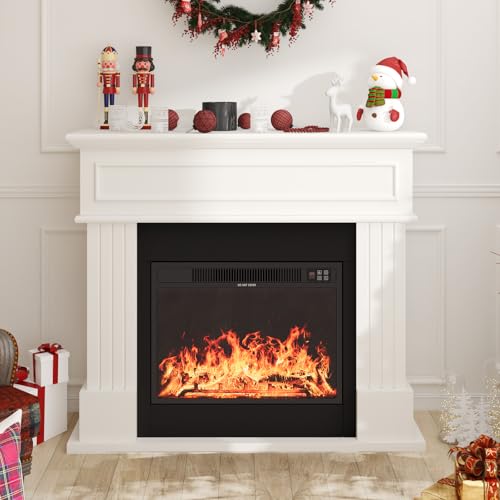
An electric fireplace with a wood mantle is a self-contained unit that combines an electric heating element and flame effect with a decorative wooden surround and shelf. The "mantle" refers to the shelf above the firebox, while the "surround" is the frame around it. These units are designed to mimic the look of a traditional fireplace but operate purely on electricity.
The wood mantle can be made from a variety of materials, including solid oak, pine, birch, or engineered wood with a veneer. Some models feature a reclaimed or distressed finish for a farmhouse look, while others have a sleek, modern profile. This design flexibility makes them suitable for almost any interior design style, from rustic to contemporary.
If you're new to fireplaces in general, our Beginner's Guide to Fireplaces provides a great foundation.
Key Benefits of Choosing This Style
There are several compelling reasons why this particular style of fireplace has become a favorite among homeowners:
- No Venting Required: Unlike gas or wood-burning fireplaces, electric models do not produce smoke or harmful gases. This means you can install them in any room without a chimney or vent. This is a major advantage for apartments and modern homes, as detailed in our guide on apartment fireplace installation.
- Easy Installation: Most units are plug-and-play. You simply place them against a wall, plug them into a standard outlet, and they're ready to use. Some can be recessed into a wall for a more built-in look. You can learn more about this in our electric fireplace installation guide.
- Zone Heating: Many electric fireplaces come with built-in heaters that can warm a specific area, allowing you to lower your central thermostat and save on energy bills. This is known as zone heating, and you can read more about it in our energy-saving tips.
- Year-Round Ambiance: You can enjoy the flickering flame effect with or without heat. This means you can use it for ambiance in the summer and for warmth in the winter.
- Low Maintenance: There's no ash to clean, no chimney to sweep, and no gas lines to inspect. Maintenance is typically limited to dusting and occasional cleaning of the glass. Our electric fireplace maintenance guide covers everything you need to know.
Types of Wood Mantles and Design Styles
The wood mantle is the defining feature of this fireplace style. Here are the most common types you'll encounter:
1. Traditional and Antique Styles
These mantles often feature ornate carvings, columns, and a rich, dark finish. They are inspired by Victorian or Colonial designs. You can find beautiful examples in our article on antique Victorian fireplace mantels. This style works well in classic, formal living rooms.
2. Modern and Minimalist
Clean lines, simple geometric shapes, and a focus on the natural grain of the wood define modern wood mantles. They often have a floating shelf design or a sleek, low-profile surround. These pair beautifully with electric fireplaces for media walls.
3. Rustic and Farmhouse
This is perhaps the most popular style for wood mantles. It features distressed finishes, reclaimed wood looks, and natural imperfections. A reclaimed wood mantel or a live edge floating mantel can create a stunning focal point. These look fantastic with shiplap walls and neutral tones.
4. Contemporary with Natural Wood
This style uses natural wood tones (like oak or walnut) but with a more contemporary silhouette. The wood provides warmth, while the shape keeps the look modern. You can see how this style is used in our natural wood mantels guide.
Once you've chosen your mantle, the fun part begins: decorating it! Our guide to decorating above a fireplace mantel offers plenty of inspiration.
Sizing and Heating Capacity: Getting It Right
Before you buy, you need to consider two key factors: physical size and heating power.
Physical Dimensions
Measure the wall space where you plan to place the fireplace. You'll need to account for the width of the mantle, the height, and the depth. A common mistake is buying a unit that is too large for the space, making the room feel cramped. For smaller rooms, a fireplace for small spaces is a better choice.
Heating Capacity (BTU)
Electric fireplaces are rated in BTUs (British Thermal Units) or watts. A typical unit produces around 4,000 to 5,000 BTUs, which is enough to heat a room up to 400 square feet. If you have a larger room, you'll need a higher-capacity unit. Our heating capacity BTU guide explains how to calculate your needs. For a more precise estimate, you can use our fireplace sizing guide.
If you're looking for a unit that can heat a large room, consider a model like the best electric fireplace heater for large rooms.
Installation and Placement Options
One of the biggest advantages of an electric fireplace is its installation flexibility. Here are the most common options:
- Freestanding: The unit stands on its own, often on legs or a base. This is the easiest option; just place it against a wall. You can find great examples in our freestanding electric fireplace with mantel guide.
- Recessed: The firebox is built into the wall, leaving only the mantle and surround visible. This creates a custom, built-in look. Learn more about this in our recessed electric fireplace insert article.
- Wall-Mounted: Some units are designed to be mounted directly on the wall, like a picture. These are perfect for modern spaces. See our wall mount electric fireplace ideas.
- In an Existing Fireplace: You can convert an old wood-burning fireplace by installing an electric insert. This is a great way to modernize without major renovation. Our guide on electric fireplace insert into existing fireplace explains the process.
Before installing, always check the ventilation requirements (though electric models have minimal needs) and ensure you have a nearby power outlet.
Key Features to Look For in a Quality Unit
Not all electric fireplaces are created equal. Here are the features that matter most:
- Flame Realism: Look for models with LED lighting and realistic log sets. Some high-end units even offer crackling sound effects for an immersive experience.
- Heating Technology: Most use fan-forced heaters, but infrared heaters are also available. Infrared heaters are often quieter and provide more direct warmth.
- Thermostat and Remote: A built-in thermostat allows you to set a specific temperature, and a remote control adds convenience. See our guide on fireplace thermostats.
- Timer and Sleep Mode: These features allow you to program the fireplace to turn off automatically, which is great for safety and energy saving.
- Safety Features: Look for automatic shut-off, cool-to-touch glass, and overheat protection. Our article on electric fireplaces and carbon monoxide explains why electric models are inherently safer.
Maintenance and Troubleshooting Tips
Electric fireplaces are known for their low maintenance, but a little care will keep them running smoothly for years.
Routine Maintenance
- Dust the exterior and mantle regularly with a soft cloth.
- Clean the glass front with a standard glass cleaner. Our guide on how to clean fireplace glass provides detailed instructions.
- Vacuum the air intake and vent areas to prevent dust buildup, as outlined in our cleaning electric fireplace article.
Common Issues and Fixes
If your fireplace isn't working as expected, don't panic. Many issues have simple solutions:
- If the electric fireplace is not heating, check the thermostat settings and ensure the heater switch is on.
- If the flame effect is not working, it might be a loose connection or a faulty LED module.
- If the remote control is not working, try replacing the batteries or resetting the unit.
For more detailed troubleshooting, visit our fireplace troubleshooting hub.
Understanding Cost and Value (Without the Price Tag)
When evaluating an electric fireplace with a wood mantle, it's helpful to think in terms of quality tiers rather than specific prices. This approach ensures your research remains relevant regardless of market fluctuations.
- Entry-Level: These models typically offer basic flame effects and a simple heater. The wood mantle may be a veneer over particle board. They are a great starting point for those on a tighter budget, but may lack advanced features like a thermostat or remote.
- Mid-Range: This is the sweet spot for most homeowners. You'll find more realistic flame effects, better heating capacity, and solid wood or high-quality veneer mantles. Features like remote controls, timers, and adjustable thermostats are common. The mechanism for the flame effect is often smoother and quieter than entry-level units.
- Premium: These units offer the highest level of realism, often with 3D flame technology and crackling sound. The mantles are typically made from solid hardwoods and feature fine craftsmanship. They may include advanced features like smart home connectivity and more powerful, quieter heaters.
Consider the long-term value. A mid-range or premium unit may cost more upfront but can offer better durability, more enjoyable ambiance, and greater energy efficiency. For a deeper dive into running costs, see our article on whether electric fireplaces are expensive to run.
Your Quick Buying Checklist
Before you make your final decision, run through this checklist:
- Measure Your Space: Ensure the unit fits your wall and room size.
- Determine Heating Needs: Match the BTU output to your room's square footage.
- Choose Your Style: Select a wood mantle that complements your decor.
- Check Installation Requirements: Confirm you have a nearby outlet and understand the mounting options.
- Review Features: Decide which features are must-haves (remote, thermostat, flame realism).
- Read Reviews: Look for feedback on build quality, ease of use, and customer service.
For a broader overview of the buying process, our fireplace buying guide is an excellent resource.
Ready to Explore Specific Models? Check out our curated list of recommended electric fireplaces with wood mantles below. These products are selected based on quality, features, and user reviews.