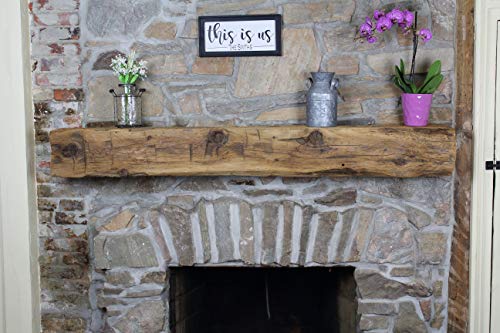
Reclaimed Wood Mantel for Fireplace: The Ultimate Guide
Transform your fireplace into a stunning focal point with the timeless character of reclaimed wood. Learn how to choose, size, and install the perfect mantel for your home.
Explore Top PicksWhy Choose Reclaimed Wood? A reclaimed wood mantel brings unmatched warmth, history, and texture to any room. Unlike new lumber, each piece carries unique grain patterns, nail holes, and weathered edges that tell a story. This guide will walk you through everything you need to know before making a purchase.
What Is a Reclaimed Wood Mantel?
A reclaimed wood mantel for fireplace is a decorative and functional shelf made from wood that has been salvaged from old buildings, barns, factories, or other structures. Instead of being discarded, this timber is cleaned, kiln-dried, and repurposed into a beautiful, one-of-a-kind mantel piece.
These mantels are prized for their unique character—no two pieces are exactly alike. They often feature:
- Weathered textures from decades of exposure to the elements
- Original saw marks and hand-hewn surfaces
- Natural patina that cannot be replicated with new wood
- Historical significance, especially if sourced from a local landmark
Whether you're aiming for a rustic farmhouse look, an industrial loft aesthetic, or a warm traditional space, a reclaimed wood mantel can anchor your design. If you're still exploring mantel options, you might also consider natural wood mantels for fireplaces or Mission-style fireplace mantels and surrounds.
Types of Reclaimed Wood for Mantels
The type of reclaimed wood you choose dramatically affects the look, durability, and cost tier of your mantel. Here are the most common options:
| Wood Type | Characteristics | Best For | Quality Tier |
|---|---|---|---|
| Barn Wood | Rough, weathered, often with original paint or nail holes | Rustic, farmhouse, industrial styles | Mid-range to premium |
| Beam Timber | Massive, solid, hand-hewn or rough-sawn | Statement pieces, large fireplaces, timber-frame homes | Premium to luxury |
| Flooring Planks | Thinner, smoother, may have groove-and-tongue edges | Sleeker designs, smaller fireplaces, DIY projects | Entry-level to mid-range |
| Reclaimed Oak | Hard, dense, beautiful grain, takes stain well | Traditional and transitional interiors | Mid-range to premium |
| Reclaimed Pine | Softer wood, often with knots and distinct grain | Country, cottage, and casual settings | Entry-level to mid-range |
When selecting your wood, think about the overall style of your room. A fireplace tile with wood mantel combination can create a beautiful contrast between smooth tile and rough timber.
Pros and Cons of Reclaimed Wood Mantels
Before committing to a reclaimed wood mantel, weigh the advantages and disadvantages:
✅ Advantages
- Eco-friendly: Repurposing wood reduces landfill waste and demand for new timber.
- Unique character: No two mantels are identical; your piece is truly one of a kind.
- Warmth and texture: Adds depth and coziness that new wood often lacks.
- Durability: Old-growth wood is often denser and more stable than modern lumber.
- Conversation starter: The history behind the wood becomes a talking point.
❌ Disadvantages
- Inconsistent supply: Availability varies; finding the right size and style can be challenging.
- Potential imperfections: Cracks, warping, or insect damage may require treatment.
- Higher cost: Premium reclaimed pieces can be more expensive than new wood.
- Installation challenges: Irregular shapes and heavy weight may complicate mounting.
- Maintenance: May need sealing or occasional treatment to preserve appearance.
If you're handy, a DIY fireplace makeover with a reclaimed mantel can be a rewarding project. For those who prefer a professional touch, consider DIY vs professional fireplace installation.
How to Choose the Right Size and Style
Sizing Your Mantel
Getting the proportions right is crucial for both aesthetics and safety. Here are general guidelines:
- Width: The mantel should extend at least 3–6 inches beyond the fireplace opening on each side. For a more dramatic look, extend further.
- Depth: A depth of 6–12 inches is typical. Deeper mantels can hold more decor but may protrude too far in small rooms.
- Height: The bottom of the mantel should be at least 12 inches above the fireplace opening, though local building codes may require more. Always check fireplace ventilation requirements and TV above fireplace safety guidelines if mounting a TV above.
- Thickness: Reclaimed beam mantels are often 4–8 inches thick. Thinner planks (1–2 inches) are better for a subtle look.
For a more detailed approach, see our guide on how to size a fireplace and consider matching fireplace proportions to room shape.
Style Considerations
- Rustic/Farmhouse: Choose rough, weathered barn wood with visible knots and imperfections.
- Industrial: Look for beam timber with metal accents or original hardware.
- Modern: Opt for a cleaner, sanded reclaimed wood with a simple, linear shape.
- Traditional: Reclaimed oak or pine with a stained finish works well.
Your mantel should complement your fireplace surround. For inspiration, explore contemporary fireplace hearth ideas and non-combustible fireplace surrounds.
Installation and Maintenance Tips
Installation Basics
Installing a reclaimed wood mantel requires careful planning, especially due to the weight and irregular shape of the wood:
- Check local codes: Ensure your installation meets fire safety regulations. See fireplace permit requirements.
- Use proper hardware: Heavy-duty brackets or a French cleat system are recommended for beam mantels.
- Find studs: Anchor securely into wall studs or masonry.
- Maintain clearance: Keep combustible materials at a safe distance from the firebox. Refer to furniture distance from fireplace guidelines.
If you're not confident in your DIY skills, hiring a professional is wise. Learn more in our fireplace installation guide overview.
Ongoing Maintenance
- Dust regularly: Use a soft cloth or vacuum brush attachment.
- Seal if needed: A clear sealant can protect against moisture and stains, but may alter the natural patina. Test on a hidden area first.
- Avoid harsh chemicals: Mild soap and water are usually sufficient.
- Inspect annually: Check for signs of pests, rot, or loosening. See our annual fireplace inspection guide and fireplace maintenance schedule.
For general cleaning advice, see how to clean fireplace brick and stone.
Decorating Your Reclaimed Wood Mantel
Once installed, your mantel becomes a canvas for your personal style. Here are some ideas:
- Seasonal displays: Swap decor for holidays and seasons. Try DIY fireplace Christmas ideas.
- Art and mirrors: Lean a large mirror or piece of art against the wall for a relaxed look. See fireplace mirror ideas (from original list, but note: URL not in allowed list, so no link).
- Candles and lanterns: Group large lanterns for fireplace hearth or flameless taper candles for ambiance.
- Greenery: Add artificial flower arrangements or fresh plants.
- Books and objects: Stack books, display ceramics, or use decorative pieces for fireplace mantels.
For more inspiration, explore farmhouse mantel decorating ideas.
Frequently Asked Questions
Is a reclaimed wood mantel safe to use above a fireplace?
Yes, as long as it is installed with proper clearance from the firebox and meets local building codes. Reclaimed wood is typically kiln-dried, which reduces moisture content and improves fire resistance. Always maintain a safe distance and consider non-combustible materials directly around the firebox.
How do I clean a reclaimed wood mantel?
Dust regularly with a soft cloth. For deeper cleaning, use a slightly damp cloth with mild soap. Avoid soaking the wood. If you choose to seal it, follow the manufacturer's instructions and test on a small area first.
Can I cut a reclaimed wood beam to size?
Yes, but cutting may expose untreated interior wood and alter the weathered look. If you cut, consider sealing the cut ends. For best results, purchase a piece that is already close to your desired dimensions.
What is the difference between reclaimed and salvaged wood?
Reclaimed wood is wood that has been recovered from its original application and repurposed. Salvaged wood is a broader term that can include wood that was never used (e.g., from a mill) or wood that has been rescued from demolition. In practice, the terms are often used interchangeably.
How much does a reclaimed wood mantel cost?
Prices vary widely based on wood type, size, age, and source. As a general guide, entry-level pieces may be budget-friendly, while large, rare beam mantels can be a significant investment. For a detailed breakdown, see our fireplace cost breakdown.