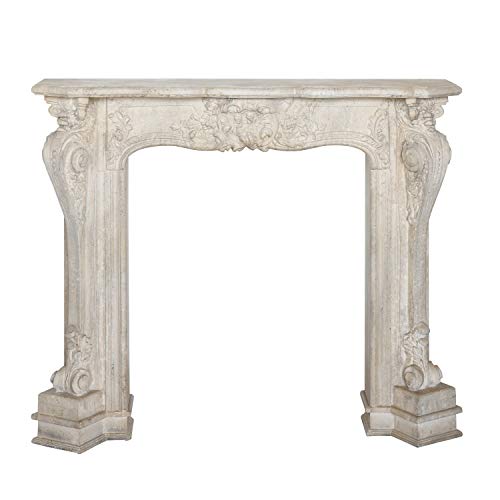
Antique Victorian Fireplace Mantel: A Complete Guide
Explore the timeless elegance of Victorian fireplace mantels. Learn about styles, materials, restoration techniques, and how to select an authentic piece that transforms your home.
START EXPLORINGWhy Victorian Mantels Endure: An antique Victorian fireplace mantel is more than a functional element—it is a piece of history. Crafted during an era of intricate detail and superior craftsmanship, these mantels bring warmth, character, and a sense of heritage to any room they grace.
What You Will Learn
Introduction to Victorian Fireplace Mantels
The Victorian era, spanning from the early 19th to the early 20th century, was a period of remarkable architectural and interior design innovation. At the heart of many Victorian homes was the fireplace, and its most prominent feature was the mantel. An antique Victorian fireplace mantel is a testament to the craftsmanship and aesthetic sensibilities of that era, characterized by ornate carvings, symmetrical designs, and a blend of functional and decorative elements.
Today, these mantels are highly sought after by homeowners and designers who wish to add a touch of historic elegance to their spaces. Whether you are restoring a period property or incorporating vintage charm into a modern home, understanding the nuances of Victorian mantels is essential. This guide will walk you through everything you need to know, from identifying styles to sourcing and restoring an authentic piece.
For those exploring broader vintage design themes, our guide on vintage fireplace ideas offers additional inspiration that complements the Victorian aesthetic.
The History and Origins of Victorian Fireplace Mantels
The Victorian era saw the fireplace evolve from a purely utilitarian heating source into a central decorative focal point of the home. Advances in manufacturing during the Industrial Revolution made it possible to produce elaborate mantels in large quantities, making them accessible to a growing middle class. Cast iron, marble, and intricately carved wood became the materials of choice, each offering distinct advantages in terms of durability and aesthetic appeal.
Victorian mantels were designed to reflect the social status and taste of the homeowner. The level of ornamentation often corresponded to the owner's wealth, with the most elaborate pieces featuring hand-carved details, imported marble, and fine cast iron work. This period also saw the rise of the fireplace surround as a cohesive unit, with the mantel, legs, and hearth working together to create a unified design statement.
Understanding this historical context is crucial when selecting an antique piece. It allows you to appreciate the craftsmanship and make informed decisions about authenticity and value. For a broader perspective on how fireplaces have evolved, our beginner's guide to fireplaces provides valuable foundational knowledge.
Common Victorian Mantel Styles
Victorian design was not monolithic; it encompassed a variety of styles that evolved throughout the era. When shopping for an antique Victorian fireplace mantel, you will likely encounter several distinct sub-styles. Recognizing these can help you match a mantel to your home's architecture and your personal taste.
Early Victorian (1837–1860)
Early Victorian mantels were often simpler, with clean lines and modest ornamentation. They frequently featured classical motifs such as columns, pilasters, and simple moldings. Wood was the most common material, often painted or stained in rich, dark tones.
Mid-Victorian (1860–1880)
This period saw an explosion of ornamentation. Mantels became more elaborate, with heavy carving, intricate fretwork, and the use of multiple materials. Marble became increasingly popular, often combined with slate or cast iron. The famous "Rococo Revival" style, with its curved lines and naturalistic motifs, was prominent during this time.
Late Victorian (1880–1901)
Late Victorian mantels reflected a shift toward more eclectic and sometimes simpler designs. The Aesthetic Movement and Arts and Crafts movement influenced fireplace design, emphasizing handcrafted quality and natural materials. Mantels from this period might feature simpler lines, exposed wood grain, and a return to more functional forms.
Each of these styles offers a unique character. An early Victorian mantel might suit a traditional, understated interior, while a mid-Victorian piece can serve as a dramatic focal point. If you are considering how to integrate a mantel with modern living, our article on eclectic fireplace ideas explores how to blend different eras seamlessly.
Materials Used in Antique Victorian Mantels
The material of an antique mantel significantly influences its appearance, durability, and maintenance requirements. Victorian craftsmen worked with a range of materials, each with its own characteristics.
| Material | Characteristics | Best For | Maintenance Level |
|---|---|---|---|
| Cast Iron | Highly durable, intricate detailing possible, often painted or enameled | High-traffic areas, homes with a robust architectural style | Low to moderate (periodic dusting, occasional repainting) |
| Marble | Luxurious appearance, heat-resistant, heavy, variety of colors and veining | Formal living rooms, period properties, elegant interiors | Moderate (regular sealing, careful cleaning to avoid stains) |
| Wood | Warm and versatile, easy to carve, can be stained or painted | Cozy, traditional homes, rustic or country interiors | Moderate (dusting, occasional polishing, protection from moisture) |
| Slate | Durable, matte finish, often used as a base for marble mantels | Victorian-era homes, as a secondary material | Low (wiping with a damp cloth) |
| Limestone | Soft, porous, uniform texture, lighter color palette | Carved details, rustic or refined interiors | Moderate (sealing required, gentle cleaning) |
When selecting a material, consider the overall design of your room and the level of maintenance you are comfortable with. For example, a marble mantel adds a touch of luxury but requires more care than cast iron. If you are interested in the specific appeal of natural stone, our guide on antique limestone fireplace surrounds provides deeper insights.
How to Choose the Right Antique Victorian Fireplace Mantel
Selecting an antique mantel is a significant decision that involves balancing aesthetics, practicality, and authenticity. Here are the key factors to consider.
Assess Your Space
Before you begin shopping, measure your fireplace opening and the surrounding wall area. Antique mantels come in various sizes, and you need to ensure a proper fit. Consider the height of your ceiling and the scale of the room; an overly large mantel can overwhelm a small space, while a small one can get lost in a large room. Our article on matching fireplace proportions to room shape offers detailed guidance on this topic.
Determine Your Style
Decide which Victorian sub-style best complements your existing decor. If your home features original Victorian architecture, an authentic period piece is a natural choice. For more modern interiors, a simpler late Victorian design might integrate more smoothly. If you are drawn to the Victorian aesthetic but want a more modern interpretation, explore our mid-century modern fireplace ideas for a different take on vintage style.
Check Authenticity
If you are investing in an antique piece, it is wise to verify its authenticity. Look for signs of age such as patina, wear patterns, and construction techniques consistent with the era. Reputable dealers will provide provenance and details about the piece's history. Be wary of reproductions marketed as antiques.
Consider Condition
Antique mantels often show signs of wear, which can be part of their charm. However, significant damage such as cracks, missing pieces, or structural instability may require expensive repairs. Decide whether you are willing to take on a restoration project or prefer a piece that is ready to install. For those considering restoration, our guide on fireplace remodel can provide useful context.
Plan for Installation
Installation of an antique mantel can be complex, especially if it is heavy or fragile. Ensure that your wall can support the weight and that the mantel is compatible with your fireplace type. If you are unsure, consult a professional. Our resource on DIY vs professional fireplace installation can help you make an informed decision.
Restoration and Care of Antique Victorian Mantels
Restoring and maintaining an antique mantel requires a delicate touch. The goal is to preserve its historic character while ensuring it remains a safe and functional part of your home.
Cleaning
Start with gentle cleaning. For wood, use a soft cloth and a mild wood cleaner. Avoid harsh chemicals that can strip the finish. For marble, use a pH-neutral stone cleaner and avoid acidic substances that can etch the surface. Cast iron can be dusted and wiped with a damp cloth; if repainting is necessary, use a high-quality enamel paint.
Repairing Damage
Minor scratches on wood can be treated with wood filler or wax sticks. For marble, small chips can be filled with color-matched epoxy. Structural repairs, such as reattaching loose pieces or reinforcing joints, should be handled by a professional conservator, especially for valuable antiques.
Protecting the Finish
Applying a protective finish can help preserve your mantel. Wood can be waxed or treated with a penetrating oil. Marble should be sealed periodically to prevent staining. Always test any product on a small, inconspicuous area first.
Regular maintenance is key to preserving the beauty of your antique mantel. Our fireplace maintenance hub offers comprehensive tips that apply to all types of fireplaces.
Installation Considerations for Antique Mantels
Installing an antique Victorian fireplace mantel is not a one-size-fits-all project. The method depends on the material, weight, and the condition of your existing fireplace.
Weight and Support
Marble and cast iron mantels are extremely heavy. You must ensure that the wall or fireplace structure can support the weight. In some cases, additional framing or a hearth-mounted support may be necessary. Never rely solely on adhesives for heavy mantels.
Compatibility with Fireplace Type
Antique mantels were designed for wood-burning fireplaces, but they can often be adapted for gas or electric inserts. However, clearances and ventilation requirements must be respected. If you are converting your fireplace, our guide on converting a wood-burning fireplace to gas logs provides important safety information.
Professional vs. DIY
While some homeowners may feel confident installing a lightweight wooden mantel, heavy or valuable antiques are best left to professionals. A poorly installed mantel can be a safety hazard. For those considering a DIY approach, our DIY fireplace surround guide offers valuable tips, though it is important to recognize the unique challenges of antique pieces.
Frequently Asked Questions
Authentic Victorian mantels typically show signs of hand-craftsmanship, such as slight irregularities in carving, aged patina, and construction techniques like mortise-and-tenon joints. Reproduction pieces often have uniform, machine-perfect details and may use modern materials. Consulting an antiques expert or checking provenance can help confirm authenticity.
The mantel is the shelf and decorative framework above the fireplace opening, while the surround includes the legs and the facing material that frames the opening itself. In many Victorian fireplaces, the mantel and surround are a single integrated unit. For more details, see our guide on fireplace mantels.
Yes, it is possible, but you need to ensure that the electric fireplace insert fits within the opening and that clearances are maintained. Many homeowners use antique mantels to create a focal point around a modern electric insert, blending old and new. Our article on installing an electric fireplace insert into an existing fireplace offers practical advice.
Clean marble with a soft cloth and a pH-neutral cleaner. Avoid acidic or abrasive products. Seal the marble periodically to protect against stains. Wipe up spills immediately, especially those that are colored or acidic, such as wine or citrus juice.
Antique mantels can be found at architectural salvage yards, antique dealers, estate sales, and online marketplaces. When buying online, ask for detailed photos and measurements, and inquire about the return policy. Reputable sellers will provide accurate descriptions and condition reports.
It depends on the extent of the damage and the value of the piece. Minor repairs are often worthwhile to preserve the character of a historic mantel. Major structural damage may require professional restoration, which can be costly. Assess the piece's uniqueness and your budget before committing. For related considerations, see our fireplace cost breakdown.
Bringing Victorian Elegance into Your Home
An antique Victorian fireplace mantel is a beautiful addition to any home, offering a tangible connection to the past and a timeless focal point. By understanding the history, styles, and materials, you can make an informed decision that enhances your space for years to come. Whether you choose a grand marble piece or a simpler wooden design, the craftsmanship and character of a Victorian mantel will undoubtedly become a cherished feature of your home.
If you are still exploring options, our fireplace buying guide provides a comprehensive overview of factors to consider when investing in any fireplace element. For those looking to integrate their mantel with modern heating solutions, our resources on electric fireplace buying guides and gas fireplace installation requirements offer further guidance.