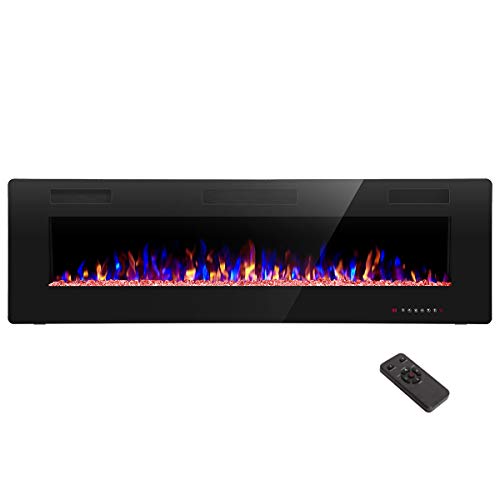
Fireplace BTU Calculator: How to Find the Perfect Heater Size
Choosing a fireplace isn't just about style—it's about heating power. A unit that's too small will struggle to warm your space, while one that's too large will cycle on and off inefficiently. Our fireplace BTU calculator and guide will help you determine the exact heating capacity your room requires, ensuring you make a smart, informed purchase.
What is BTU and Why Does It Matter for Your Fireplace?
BTU, or British Thermal Unit, is the standard measurement of heat energy. When you see a BTU rating on a fireplace, it tells you how much heat the unit can generate in one hour. Understanding this number is critical because it directly correlates to the size of the area the fireplace can effectively heat. A fireplace with a higher BTU output is capable of warming a larger space, but it's not always about getting the biggest number. The goal is to match the BTU output to your specific room dimensions and insulation quality for optimal efficiency. This concept is closely tied to the fireplace heating capacity (BTU guide) we have discussed previously.
The right BTU rating ensures your fireplace can maintain a comfortable temperature on the coldest days without wasting energy. An oversized unit will heat the room too quickly, causing the thermostat to shut it off, leading to temperature swings and wasted fuel. An undersized unit will run constantly but never quite reach the desired warmth. For a broader understanding of sizing, you can also refer to our general guide on how to size a fireplace.
Factors That Affect Your Fireplace's Heating Needs
The size of your room is the primary factor, but it's not the only one. Several other elements influence how many BTUs you actually need.
- Room Size (Square Footage): This is the starting point. A larger room requires more BTUs to heat.
- Ceiling Height: A room with high or vaulted ceilings has more cubic feet of air to heat. You'll need to adjust your BTU calculation upward for rooms with ceilings over 8 feet. This is a key consideration in fireplace sizing for open concept rooms.
- Insulation and Windows: A well-insulated room with energy-efficient windows will retain heat better, requiring fewer BTUs. Conversely, a drafty room with single-pane windows will need more heating power.
- Climate: The climate you live in dictates how hard your fireplace needs to work. Colder climates require more BTUs to maintain a comfortable indoor temperature.
- Fireplace Type and Efficiency: Different fireplace types have varying efficiency ratings. A most energy-efficient fireplace type will transfer more of its generated heat into the room, meaning you might need a lower BTU rating to achieve the same warmth. Electric and gas fireplaces are often rated for their efficiency.
How to Calculate Your Fireplace BTU Needs
You can get a reliable estimate of your BTU needs with a simple formula. This method is a great starting point for your research.
Simple BTU Calculator
Enter your room dimensions below to get a recommended BTU range.
This is an estimate. For a more precise calculation, consider consulting a professional.
The basic formula is: Room Volume (Length x Width x Height) x Insulation Factor = BTUs Needed.
A common shortcut is to use square footage. As a general rule, you need about 20 BTUs for every square foot of living space in an average climate. However, this is a very rough estimate. For a more detailed breakdown of heating capacity, explore our gas fireplace heating capacity guide.
Matching BTU to Your Fireplace Type
Different fireplace types deliver heat in different ways, which affects how you should interpret BTU ratings.
| Fireplace Type | Typical BTU Range | Key Considerations |
|---|---|---|
| Electric | Entry-level to Mid-range (varies by model) | Efficiency is near 100%. Heat output is often measured in watts, but BTUs are a good comparison point. Look for a high BTU electric fireplace insert for larger rooms. |
| Gas (Vented & Ventless) | Mid-range to High-end | Ventless models are nearly 100% efficient. Vented models lose some heat up the chimney. A gas fireplace insert with a blower can significantly improve heat distribution. |
| Wood Burning | High-end to Luxury (depending on firebox size) | Efficiency varies greatly. Older open fireplaces are very inefficient, while modern high-efficiency wood burning fireplace inserts can be excellent heaters. |
| Pellet Stoves | Mid-range to High-end | Highly efficient and can be a primary heat source. BTU output is consistent and easy to control. |
When considering a gas or electric option, it's helpful to compare gas vs electric fireplace running costs alongside their BTU output to understand the long-term operating implications.
Beyond BTUs: Other Factors for a Great Fireplace
While BTUs are crucial for heating, your decision should also consider aesthetics, installation, and maintenance.
- Design and Style: The fireplace is a focal point. Choose a style that complements your decor. Whether it's a linear fireplace idea for a modern look or a stone fireplace for a rustic feel, the visual impact is key.
- Installation Requirements: Venting is a major consideration. Understand the venting options for a gas fireplace or whether you can use a ventless gas fireplace. For electric models, check the electric fireplace installation guide.
- Maintenance: All fireplaces require some maintenance. A gas fireplace maintenance routine differs from wood fireplace maintenance. Be sure to review the fireplace maintenance schedule for your chosen type.
- Safety: Always follow fireplace safety tips. Ensure proper clearances and use a fireplace screen with glass doors if necessary.
Once you've determined your BTU needs, you're ready to start shopping. If you're still deciding on a fuel type, our fireplace buying guide is a great next step.