Electric Fireplace Real Looking Flame: The Complete Guide
Discover how modern electric fireplaces create incredibly realistic flames using LED, holographic, and water vapor technology — and learn how to choose the most convincing model for your home.
Explore Flame TechnologyQuick Answer: Yes, electric fireplaces can produce genuinely real looking flames. The most realistic models use water vapor or holographic technology to create three-dimensional flames with depth and movement. Mid-range LED models with multi-layer flame effects also look highly convincing in dim lighting. This guide explains exactly how each technology works and what to look for.
📋 What You'll Learn in This Guide
How Electric Fireplaces Create Real Looking Flames
The journey from a flat, obviously fake electric flame to today's stunningly realistic fire effects is a story of rapid technological innovation. Early electric fireplaces used simple incandescent bulbs and rotating reflectors to simulate flames — effective in dim rooms but unconvincing up close. Modern models employ three distinct technologies, each with its own approach to realism.
1. LED Flame Technology (Most Common)
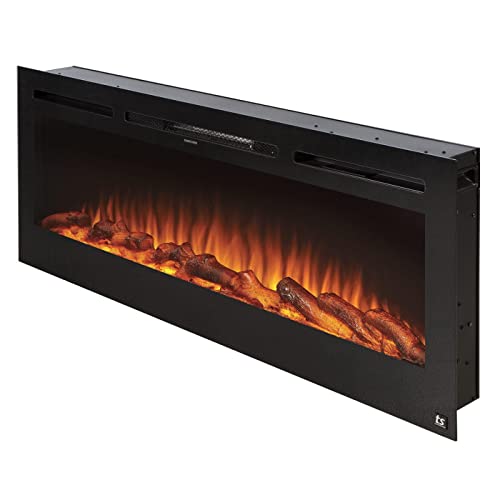
LED-based flame effects are the most widespread technology in today's electric fireplaces. They work by projecting light through a series of rotating mirrors, reflective ribbons, or textured screens. The movement of these components creates the illusion of flickering flames. Entry-level LED models typically produce a single-layer flame effect that can look flat, but mid-range and premium LED models use multiple layers, independent flame zones, and adjustable color temperatures to simulate depth and variation. Some advanced LED systems even mimic the blue base and orange tips of a real fire.
The key advantage of LED technology is reliability — there are no moving parts to wear out in the flame projection system itself, and energy consumption is minimal. The main limitation is that LED flames are inherently two-dimensional. Even the best LED systems can look slightly artificial when viewed from an angle or in bright daylight.
2. Holographic Flame Technology (Emerging)
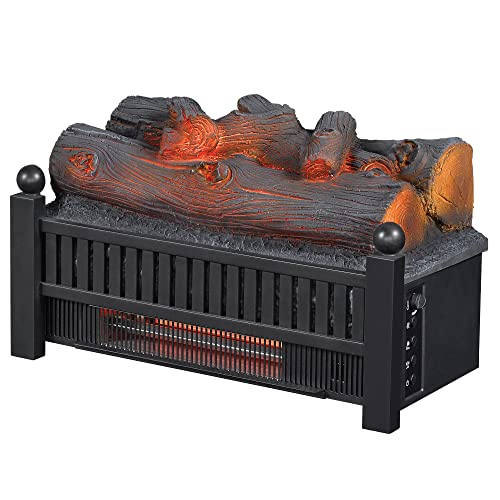
Holographic flame effects represent a significant leap forward in realism. These systems use specialized optical films or diffraction gratings to create flames that appear to float in three-dimensional space. The effect is achieved by projecting light through a holographic screen that scatters it in multiple directions, producing a flame that changes appearance as you move around the room. A holographic electric fireplace insert can be remarkably convincing, especially when paired with realistic log sets and ember beds.
Holographic technology is still relatively new to the consumer market, so it tends to appear in premium and luxury-tier models. The trade-off is cost — holographic systems are more expensive to manufacture than standard LED setups — but for buyers who prioritize maximum realism, the investment can be worthwhile.
3. Water Vapor Flame Technology (Most Realistic)
Water vapor — sometimes called "mist" or "vapor" flame — is widely considered the gold standard for electric fireplace realism. This technology uses ultrasonic atomizers to create a fine mist of water, which is then illuminated by colored LEDs. The result is a flame that has genuine three-dimensional depth, rises and flickers naturally, and even produces a subtle "steam" effect that mimics the behavior of a real fire. Because the flame is made of physical particles rather than light projected onto a surface, it looks convincing from any angle and in any lighting condition.
Water vapor fireplaces require a water reservoir that must be refilled periodically, and the mist can slightly increase humidity in the room — which is actually a benefit in dry climates. The technology is found in premium and luxury-tier models and is often paired with crackling sound effects and realistic log sets for a fully immersive experience.
Flame Technology Comparison: Which Looks Most Real?
The following table compares the three main flame technologies across key factors that affect realism and overall ownership experience. Use this as a quick reference when evaluating models.
| Feature | LED Flame | Holographic Flame | Water Vapor Flame |
|---|---|---|---|
| Realism (up close) | Moderate — can look flat | High — 3D appearance | Very High — genuine depth |
| Realism (from distance) | High — convincing in dim light | Very High | Very High |
| Maintenance | None | None | Refill water reservoir |
| Energy use | Very low | Low | Low (plus water) |
| Typical tier | Entry to mid-range | Premium | Premium to luxury |
| Flame color options | Often multiple | Usually limited | Usually warm tones |
| Sound effects available | Yes (on some models) | Yes (on some models) | Yes (on most models) |
| Best for | Everyday ambiance, budget-conscious buyers | Design-focused spaces | Maximum realism, luxury spaces |
What Makes an Electric Flame Look Real?
Realism isn't just about the flame itself — it's the sum of several design elements working together. When evaluating an electric fireplace, pay attention to these factors:
🔥 Flame Movement
Real fires flicker irregularly. The best electric models use random or multi-speed flame patterns rather than a predictable loop. Adjustable flame speed lets you match the mood — slow and gentle or lively and crackling.
🎨 Color Gradient
Authentic flames have a blue base, orange-yellow middle, and lighter tips. Models that replicate this gradient — rather than using a single uniform orange — look significantly more convincing.
📊 Flame Depth
Multiple flame layers create a sense of depth. Even LED models can achieve this with layered projection screens. Water vapor and holographic systems have a natural advantage here.
🪵 Log & Ember Bed Realism
The logs and ember bed are just as important as the flame. Look for detailed ceramic logs with realistic bark texture, glowing ember beds, and flickering ember lights that pulse independently.
🔊 Sound Effects
Crackling and popping sounds dramatically enhance the illusion. Many mid-range and premium models include adjustable volume, and some sync the sound with flame movement for a fully immersive effect.
💡 Ambient Lighting
Models with adjustable brightness and color temperature let you fine-tune the flame to match the room's lighting. A flame that looks great in daylight may look washed out at night — and vice versa.
When shopping, look for models that combine at least three of these elements. A fireplace with excellent flame movement but flat logs will still feel artificial, while one with realistic logs and ember bed but a single-speed flame will quickly become repetitive.
Realism by Product Tier: What to Expect
Not all electric fireplaces are created equal. The level of flame realism correlates closely with product tier. Here's a breakdown of what each tier typically delivers:
Entry-Level Models
Entry-level electric fireplaces typically use basic LED flame effects with a single layer and limited movement patterns. The flame may look flat or repetitive, especially in bright rooms. Log sets are often molded plastic with minimal detail, and ember beds may be simple glowing panels. However, entry-level models can still be quite convincing in dimly lit rooms or when used as background ambiance. They're a good choice for buyers who want the look of a fireplace without a significant investment, or for spaces where the fireplace isn't the focal point. If you're considering this tier, look for models with adjustable flame brightness and at least two flame color options to maximize realism.
Mid-Range Models
Mid-range electric fireplaces represent the sweet spot for most buyers. These models typically feature multi-layer LED flame effects with independent flame zones, more natural movement patterns, and realistic ceramic log sets with detailed bark texture and glowing ember beds. Many mid-range models include crackling sound effects, adjustable flame speed and brightness, and multiple flame color options. Some even offer crackling sound with synchronized flame movement. The realism gap between mid-range and premium models has narrowed considerably in recent years, making this tier an excellent value for buyers who want convincing flames without paying luxury-tier prices. A well-designed mid-range model can easily be mistaken for a real fire from across the room.
Premium Models
Premium electric fireplaces step up the realism with advanced flame technologies — often holographic or water vapor systems, or high-end LED setups with sophisticated optical engineering. These models feature meticulously detailed log sets, multi-color ember beds, and often include smart home integration, remote controls, and programmable flame settings. The flame movement is more organic and varied, and the overall effect is convincing even up close. Premium models are ideal for living rooms, master bedrooms, or any space where the fireplace is a design centerpiece. They also tend to offer better heating capacity and more robust build quality.
Luxury Models
Luxury electric fireplaces represent the pinnacle of flame realism. They typically use water vapor or advanced holographic technology to create genuinely three-dimensional flames with real depth, natural movement, and a level of detail that is virtually indistinguishable from a real fire at a glance. These models often feature hand-finished log sets, custom ember bed options, and premium materials throughout. Some luxury models include integrated sound systems, ambient lighting that reacts to the flame, and app-based control with scene presets. For buyers who want the absolute best in realism and are willing to invest in a statement piece, luxury models deliver an experience that rivals — and in some ways surpasses — a real fireplace.
Why Choose a Realistic Electric Fireplace?
Beyond the aesthetic appeal, electric fireplaces with realistic flames offer practical advantages that make them a compelling choice for modern homes.
✅ Advantages
- No venting, chimney, or gas line required
- Can be installed in apartments, condos, and basements
- Flame effect can be used without heat — perfect for year-round ambiance
- Zero emissions and no carbon monoxide risk
- Minimal maintenance — no ash, soot, or creosote
- Energy-efficient heating with thermostat control
- Safe for children and pets (cool-to-touch surfaces on most models)
- Portable and plug-and-play options available
⚠️ Considerations
- Flame realism still varies widely by model
- Heating capacity may be limited in very large or open spaces
- Requires a nearby electrical outlet
- Water vapor models need periodic refilling
- Doesn't provide the same radiant heat as a real fire
- Some entry-level models can look artificial in bright light
For many homeowners, the benefits far outweigh the limitations — especially when the goal is ambiance and supplemental heat rather than primary heating. If you're curious about how electric fireplaces compare to other types, our electric vs gas vs wood comparison breaks down the key differences.
Buying Tips: How to Choose the Most Realistic Electric Fireplace
When shopping for an electric fireplace with a real looking flame, focus on these criteria to ensure you get the most convincing model for your needs:
1. Prioritize Flame Technology
If maximum realism is your goal, water vapor and holographic technologies are the best options. For a balance of realism and value, look for mid-range LED models with multi-layer flame projection and adjustable flame speed. Read product descriptions carefully — manufacturers often highlight their flame technology as a key feature.
2. Evaluate the Log Set and Ember Bed
The logs and ember bed are just as important as the flame. Look for ceramic logs with realistic texture, color variation, and irregular shapes. A glowing ember bed with independent flicker adds a layer of authenticity that simple glowing panels can't match. Some models let you swap out the log set for different seasonal looks.
3. Check Flame Adjustability
The ability to adjust flame brightness, speed, and color is a major plus. You can dial in the perfect look for any time of day or mood. Models with multiple flame color options — from classic orange to cooler blue or even multi-color — offer the most flexibility. If you're considering a wall-mounted unit, look for one with adjustable flame settings to maximize realism.
4. Consider Sound Effects
Crackling sound effects dramatically enhance the realism of an electric fireplace. Look for models with adjustable volume and, ideally, sound that syncs with flame movement. Some models also offer additional ambient sounds like rain or wind for a full sensory experience.
5. Match the Fireplace to Your Space
The size, style, and placement of your fireplace affect how realistic it looks in context. A large fireplace with a small flame effect can look odd, while a small fireplace with a proportionally large flame can feel overwhelming. Consider the scale of the room and choose a model that fits naturally. If you're working with a small space, our guide to the best fireplace for small spaces can help you narrow down options.
6. Factor in Heating Needs
If you plan to use your fireplace for supplemental heat, check the heating capacity. Most electric fireplaces are rated in BTUs or watts, and can heat spaces ranging from a small bedroom to a large open-concept living area. Our BTU heating capacity guide explains how to match heating output to your room size. Keep in mind that flame realism and heating capacity are independent — you can find highly realistic models with robust heaters and vice versa.
7. Read Reviews with a Critical Eye
Customer reviews often mention flame realism (or lack thereof). Look for reviews that specifically discuss how the flame looks in different lighting conditions, whether the movement is natural or repetitive, and whether the sound effects enhance or detract from the experience. Video reviews are especially helpful because they show the flame in action.
Installation & Placement Tips for Maximum Realism
How you install and place your electric fireplace can significantly affect how realistic it looks. Here are some practical tips:
- Dim the surrounding lighting: Electric flames look most convincing in low-light conditions. If your fireplace is in a bright room, consider dimmable lighting or placing it in a spot where it won't compete with harsh overhead lights.
- Choose the right wall color: Darker walls tend to make the flame effect pop more, while light-colored walls can wash out the glow. If you're planning a room refresh, consider paint colors that complement the warm tones of the flame.
- Elevate the fireplace: Fireplaces mounted at eye level or slightly below tend to look more natural. Floor-level models can work well, but make sure the flame is visible from seating areas.
- Add a mantel or surround: A well-designed mantel or surround frames the fireplace and adds a sense of permanence. Even a simple floating shelf can enhance the overall look. If you're handy, a DIY fireplace surround is a rewarding project.
- Avoid direct sunlight: Direct sunlight can wash out the flame effect, especially on LED models. Place the fireplace away from windows or use curtains to control natural light.
- Consider the viewing angle: Some flame technologies look best from straight on, while others (like water vapor) look convincing from any angle. If your fireplace will be viewed from the side, opt for a technology that maintains realism from multiple perspectives.
For a deeper dive into installation considerations, see our electric fireplace installation guide.
Common Mistakes to Avoid
Buyers often make these mistakes when shopping for a realistic electric fireplace. Avoid them to ensure you're happy with your purchase:
- Assuming all electric fireplaces look fake: Technology has advanced dramatically. Modern mid-range and premium models can be stunningly realistic.
- Prioritizing price over flame quality: The cheapest models often have the least convincing flames. If realism matters to you, invest in a mid-range or premium model.
- Ignoring the log set and ember bed: A great flame with cheap-looking logs still looks fake. Look for detailed logs and a realistic ember bed.
- Not checking flame adjustability: A flame that looks good in the showroom may look different in your home. Adjustable brightness and speed are essential for fine-tuning realism.
- Overlooking sound effects: Crackling sounds add a surprising amount of realism. If you want the full experience, prioritize models with adjustable sound.
- Placing the fireplace in a bright spot: Even the most realistic flame looks less convincing in direct sunlight. Plan your placement accordingly.
- Forgetting about heating needs: If you want supplemental heat, check the BTU rating. Don't assume every electric fireplace is a capable heater.
Frequently Asked Questions
Do electric fireplaces have real looking flames?
Yes, modern electric fireplaces can produce highly realistic flames using advanced LED, holographic, or water vapor technology. Premium models are often mistaken for real fires at a glance, especially those with 3D flame effects and adjustable brightness. The key is choosing a model with the right flame technology and features for your needs.
What is the most realistic electric fireplace flame technology?
Water vapor (mist) flame technology is generally considered the most realistic because it creates three-dimensional flames with real depth. Holographic and advanced LED systems with multiple flame layers are close contenders and typically more affordable. For most buyers, a high-quality mid-range LED model offers the best balance of realism and value.
Can you tell the difference between an electric fireplace and a real fire?
From a distance or in dim lighting, high-end electric fireplaces can be very convincing. Up close, you may notice the lack of heat radiating from the flame itself and the absence of crackling sounds unless the model includes audio effects. However, premium models with realistic logs and ember beds narrow the gap significantly. Most people find that the convenience and safety benefits outweigh the minor differences.
Do realistic electric fireplaces produce heat?
Most electric fireplaces include a built-in heater that can warm spaces ranging from small rooms to larger open areas, depending on the model. The flame effect can typically be used independently of the heater, so you can enjoy the ambiance year-round without adding heat. Check the BTU or wattage rating to ensure the model meets your heating needs.
Are realistic electric fireplaces worth it?
For anyone who wants the ambiance of a fireplace without the installation costs, venting requirements, or maintenance of gas and wood models, a realistic electric fireplace is an excellent choice. Mid-range and premium models offer the best balance of flame realism, heating capability, and durability. If you're considering an electric fireplace, our electric fireplace maintenance guide explains how little upkeep is required.
How do I make my electric fireplace flame look more realistic?
You can improve realism by adjusting the flame brightness and speed settings, adding a realistic log set or ember bed, placing the fireplace in a dimly lit room, and choosing a model with multiple flame color options. Some models also let you sync the flame speed with the crackling sound for a more authentic experience. If your flame isn't working properly, see our guide to electric fireplace flame problems.
Ready to Choose Your Realistic Electric Fireplace?
Explore our recommended models with the most convincing flame effects, or dive deeper into related topics to make an informed decision.
View Full Buying Guide →Related Reading
- Most Realistic Electric Fireplace with Mantel — Top picks for freestanding realism
- Most Realistic Freestanding Electric Fireplace — Standalone models with convincing flames
- Realistic Electric Fireplace Insert with Heat — For existing fireplace openings
- Most Realistic Wall-Mounted Electric Fireplace — Space-saving realism
- Realistic Electric Fireplace with Crackling Sound — Audio-enhanced ambiance
- Electric Fireplace Insert with Crackling Sound — Insert models with audio
- Different Types of Electric Fireplaces — Explore all styles and configurations
- Are Electric Fireplaces Tacky? — Addressing common concerns about realism
- Do Electric Fireplaces Heat a Room? — Understanding heating capabilities
- Electric Fireplace Maintenance — Keeping your fireplace in top shape