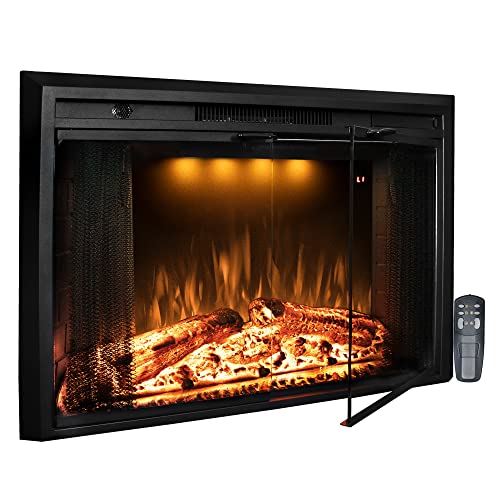
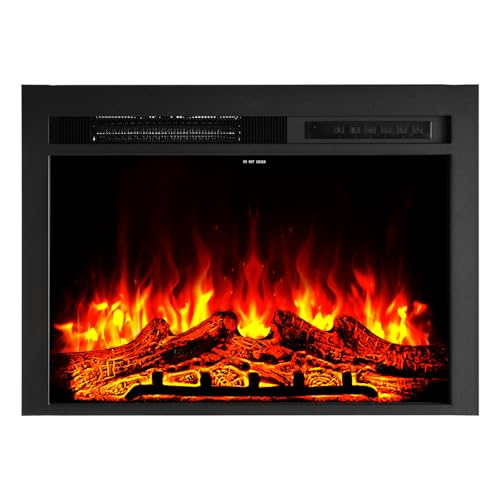
Holographic Electric Fireplace Insert: A Complete Guide
Discover how holographic flame technology creates one of the most realistic electric fire experiences available, and learn how to choose the right insert for your home.
START THE GUIDEWhy this matters: If you have been disappointed by flat, repetitive LED flames in standard electric inserts, holographic technology is the upgrade worth understanding. This guide explains what it is, how it works, and what to check before buying.
What Is a Holographic Electric Fireplace Insert?
A holographic electric fireplace insert is an electric heating unit that uses light projection and optical illusion to simulate fire with a sense of depth and volume. Instead of a simple backlit screen, these inserts typically combine a rotating reflector, a multi-layer flame image, and LED light sources to project flames that appear to move in three dimensions. The result sits somewhere between a video screen and a true hologram, and it is widely regarded as one of the most convincing electric flame effects on the market.
Unlike a realistic electric fireplace that mimics a gas log set, a holographic insert focuses on the flame itself rather than the log arrangement. Many models still include a glowing ember bed and artificial logs, but the headline feature is the flame projection system. If you are new to electric options in general, it helps to first understand the broader category of fireplace types before narrowing down to this specific technology.
How Holographic Flame Technology Works
While specific implementations vary by manufacturer, most holographic electric inserts rely on a small number of core components working together:
1. Projection Source
A bright LED array shines light through a shaped or printed flame element. This element is often curved or angled so the light bends as it passes through, creating the illusion of a flame with thickness rather than a flat image.
2. Rotating Reflector
A spinning mirror or reflective drum moves the light pattern continuously. Because the reflection shifts position in space, the flame appears to flicker and dance in a way that a simple flickering LED cannot replicate.
3. Optical Diffuser
A diffusing layer softens the light edges so the flame does not look like a sharp graphic. This is what gives the flame its soft, slightly hazy glow that reads as fire rather than as a digital image.
The combination of movement, soft edges, and layered light is what separates a holographic effect from a standard LED insert. In a conventional electric fireplace flame mechanism, the flame is usually a flat printed film rotating behind a screen, which is why it can look repetitive after a few minutes. Holographic projection adds spatial depth, so the flame appears to occupy the firebox rather than sit on its surface.
Key takeaway: A holographic insert is not literally projecting a free-floating hologram into your room. It is an optical system that creates a convincing 3D flame illusion inside the firebox. Understanding this prevents unrealistic expectations and helps you compare models on the right criteria.
Why Choose a Holographic Insert Over a Standard Electric Insert
The main reason buyers seek out holographic models is realism. Standard electric inserts are functional and affordable, but their flames can look artificial, especially on larger screens. A holographic insert addresses that specific weakness. Here is how the two compare in practical terms:
| Feature | Standard LED Electric Insert | Holographic Electric Insert |
|---|---|---|
| Flame depth | Flat, screen-like | Layered, appears three-dimensional |
| Flame movement | Repetitive rotation | Fluid, organic flicker |
| Realism at close range | Noticeable as artificial | Convincing from normal viewing distance |
| Heat output | Typically 750–1,500 W | Typically 750–1,500 W |
| Venting required | None | None |
| Maintenance | Dust the vent and glass | Dust the vent, glass, and optics area |
| Market position | Entry-level to mid-range | Mid-range to premium |
If realism is your top priority and you want an electric unit, the holographic category is the logical step up. If budget and basic function are your main concerns, a standard insert may be sufficient. You can review the general pros and cons of each fireplace type to place this decision in a wider context.
Pros and Cons of Holographic Electric Fireplace Inserts
Advantages
- Most realistic electric flame effect available in a consumer insert
- No chimney, flue, or gas line required
- Flame can operate without heat for year-round ambiance
- Fits into many existing masonry or prefabricated fireboxes
- Safe for apartments and rentals in most cases
- No combustion means no carbon monoxide risk
Limitations
- Higher cost than basic LED inserts
- Heating capacity is limited compared to gas or wood
- No crackling sound or wood smell unless separately added
- Optics area needs occasional careful dusting
- Fewer models available than standard electric inserts
- Not a substitute for a primary home heating system
Sizing a Holographic Insert for Your Existing Fireplace
Because most buyers install a holographic insert into an existing firebox, sizing is the single most important practical step. A unit that is too large will not fit; a unit that is too small will leave visible gaps that undermine the look. Measure the opening width, height, and depth of your firebox, then compare those numbers against the insert specifications. Leave a small clearance on each side for air circulation and for any trim or surround you plan to add.
If your firebox is an unusual shape or your room layout is awkward, the principles in this guide on fireplace sizing for open concept rooms still apply, since the insert must visually anchor the space rather than float inside it. For tighter rooms, fireplace options for small spaces can help you decide whether an insert or a freestanding unit is the better fit.
Measuring Checklist
Record the front opening width and height, the rear width if the firebox tapers, the depth from front to back, and the height of any existing hearth or lip. Also note whether the firebox has a gas line or old damper that needs to be addressed.
Clearance Notes
Electric inserts produce no combustion exhaust, but they still need airflow around the heater. Follow the manufacturer's minimum clearance to combustibles, especially above the unit if you plan to mount a TV nearby.
Heating Performance and BTU Expectations
Most holographic electric inserts use a fan-forced heater rated at 750 watts on low and 1,500 watts on high, which is the standard for this product class. That translates to roughly 2,500 to 5,100 BTU, enough to take the chill off a room but not to replace central heating. If your goal is meaningful supplemental heat, compare this against the guidance in the fireplace heating capacity and BTU guide so you know what to expect from a given wattage.
One practical advantage of electric inserts is that the flame and the heater are independent. You can run the flame alone in summer for ambiance, or run both in winter. If heat output is your priority, it is worth reading whether electric fireplaces really heat a room before committing, and also reviewing the energy efficiency of electric fireplaces so your running-cost expectations are realistic.
Installation: What to Expect
Installation of a holographic electric insert is generally straightforward compared to gas or wood options. In most cases, the unit slides into the existing firebox and plugs into a standard outlet. There is no venting, no gas connection, and no chimney work. That said, a few details matter:
Power Source
Confirm an outlet is reachable, or plan for a discreet cord route. Some models can be hardwired, but many are plug-in. Avoid overloading a circuit shared with other high-draw appliances.
Firebox Preparation
Cap or seal an old gas line if present, and remove or secure any loose damper components. Clean the firebox so dust does not get drawn into the insert's cooling vents.
Trim and Finish
Many inserts ship with a trim kit. If you want a seamless look, plan a surround or mantel that frames the insert and hides any gaps between the unit and the firebox opening.
For a broader walkthrough of the process, see the fireplace installation guide. If you are weighing whether to do it yourself, the comparison of DIY versus professional fireplace installation is a useful reality check. And if your existing firebox is wood-burning, the notes on installing an electric fireplace into an existing fireplace cover the specific steps and considerations.
Design Ideas and Placement
A holographic insert does not exist in isolation. How you frame it determines whether the flame effect reads as a focal point or as an afterthought. Because the flame has depth, it benefits from a surround that does not compete with it visually. Dark stone, matte tile, and simple wood mantels tend to work well because they let the flame stand out. Busy patterns or highly reflective surfaces can distract from the effect.
If you are planning a larger living room update, the ideas in contemporary living room with fireplace and contemporary fireplace hearth ideas show how a modern insert can be integrated into a clean, uncluttered scheme. For a more traditional frame, reclaimed wood mantels and natural wood mantels offer warmth without visual noise.
Design tip: Because holographic flames have visible depth, avoid placing a mirror directly behind the insert. The reflection can create a doubled flame effect that looks confusing rather than realistic.
Maintenance and Care
Electric inserts are low maintenance, but holographic models have one extra consideration: the optics area. Dust that settles on the projection lens or reflector can dull the flame and reduce the sense of depth. A soft, dry microfiber cloth used gently on accessible surfaces is usually enough. Never spray liquid cleaner directly onto the optics.
Beyond the flame system, standard electric insert care applies. Keep the heater vents free of dust and pet hair, clean the glass or screen with a non-ammonia cleaner, and check the cord and plug periodically for wear. The electric fireplace maintenance guide and cleaning an electric fireplace article cover the routine in detail. For a seasonal schedule, the monthly and yearly maintenance schedule is a good reference.
Common Issues and Troubleshooting
Holographic inserts are reliable, but a few issues come up more often than others. If the flame stops moving, the reflector motor may have failed or the unit may need a reset. If the flame is dim, dust on the optics is the usual cause. If the heater runs but the flame does not, the flame circuit may be on a separate switch that is turned off, or the LED driver may have failed.
For broader diagnostic help, the flame not working guide, the electric fireplace not heating guide, and the general how to reset an electric fireplace article cover the most common scenarios. If the unit trips a breaker, see electric fireplace tripping the breaker. For unusual sounds, electric fireplace buzzing noise explains likely causes.
Safety Considerations
Electric inserts are among the safest fireplace options because they produce no combustion byproducts. They do not generate carbon monoxide, which is a meaningful advantage over gas and wood alternatives. That said, basic electrical safety still applies: use a properly grounded outlet, do not run the unit on an undersized extension cord, and keep flammable materials away from the heater outlet.
If you are comparing safety across fuel types, the article on whether electric fireplaces produce carbon monoxide addresses the most common concern directly. For furniture placement, how close furniture can be to a fireplace gives practical clearance guidance. And if you plan to leave the unit running, leaving a fireplace on overnight and sleeping with a fireplace on cover the relevant precautions.
How to Choose the Best Holographic Electric Fireplace Insert
With the background covered, here is a practical framework for evaluating models. Rather than focusing on any single specification, weigh these factors together.
Flame Realism
Look for descriptions that mention depth, layered projection, or 3D effect. If possible, watch a video of the unit in operation. A premium holographic insert should show flames that appear to rise and shift rather than loop in a visible pattern.
Fit and Dimensions
Confirm the insert dimensions against your firebox opening with a small clearance margin. Check whether a trim kit is included and whether it matches your surround plan.
Heating Output
Decide whether you need supplemental heat or ambiance only. A 1,500 W heater is the common maximum for this class. If you need more, an insert is not the right tool.
Controls and Features
Remote control, thermostat, timer, and flame-only mode are common. Some models offer adjustable flame color and brightness, which helps match the effect to your room lighting.
Build Quality
Mid-range and premium models tend to use quieter fan motors and sturdier housings. If the unit will run frequently, quieter operation is worth prioritizing.
Warranty and Support
A longer warranty usually signals confidence in the optics and motor. Check that replacement parts, such as remote controls, are available.
If you are still deciding between an insert and a freestanding unit, the comparison of built-in versus freestanding fireplaces and the broader wall-mounted vs insert vs freestanding comparison can clarify the trade-offs. For a step-by-step purchase framework, the fireplace buying guide walks through the decision from start to finish.
Holographic vs Other Electric Flame Technologies
Holographic projection is not the only way to improve electric flame realism, but it occupies a distinct position. Here is how it compares to the main alternatives:
| Technology | Realism | Typical Market Tier | Best For |
|---|---|---|---|
| Standard LED with rotating film | Basic | Entry-level | Budget-conscious buyers, occasional use |
| LED with mirror reflector | Moderate | Mid-tier | Improved movement without high cost |
| Holographic / 3D projection | High | Mid-range to premium | Buyers who prioritize flame realism |
| Water vapor (steam) flame | High, different look | Premium to luxury | Those who want a flame with visible mist |
If you are curious about the water vapor alternative, the comparison of water vapor vs electric fireplace explains where that technology fits. For most buyers who want the most convincing electric flame without moving into the water vapor category, holographic projection is the strongest option. The article on the most realistic-looking electric fireplace insert expands on this comparison.
Frequently Asked Questions
Is a holographic electric fireplace insert worth it?
It depends on what you value. If flame realism is your top priority and you want an electric unit, a holographic insert is generally worth the premium over a basic LED model. If you mainly want supplemental heat and do not care much about flame appearance, a standard insert will serve you well for less.
Can I use a holographic insert as my main heat source?
No. Like all electric inserts in this class, the heater is designed for supplemental warmth, not whole-home heating. It can take the chill off a room, but it should not replace a furnace or central heating system. The guide on whether a fireplace can heat an entire house explains the limits clearly.
Do holographic inserts make noise?
The flame effect itself is essentially silent. Any noise comes from the heater fan when the heat function is on. Premium models tend to have quieter fans than entry-level ones. If the unit develops a new buzz or rattle, see the guide on electric fireplace buzzing noise.
Can I put a TV above a holographic insert?
In many cases yes, but heat rises and can affect the TV over time. Follow the insert's clearance requirements and consider a mantel or shelf to deflect heat. The article on TV above fireplace safety covers the practical considerations.
How long do holographic electric inserts last?
With normal use and basic cleaning, a quality electric insert can last many years. The flame projection components are generally the most sensitive parts. The article on fireplace lifespan gives a broader view of what to expect across fireplace types.
Are holographic inserts safe in apartments?
Yes, in most cases. Because they require no venting and produce no combustion, they are often a good fit for apartments and rentals. Check your lease and local rules, and review apartment fireplace installation for specific guidance.
Ready to Compare Models?
Use the recommended products below to see current holographic electric fireplace inserts and find the one that fits your firebox and your design goals.
VIEW RECOMMENDED MODELS