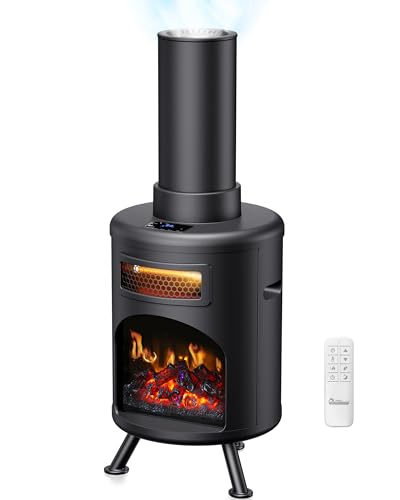
Electric Fireplace Infrared Heater: Complete Guide & Top Picks
Discover how infrared fireplace heaters work, why they are efficient, and how to choose the best model for your home.
View Top RecommendationsQuick Summary: An electric fireplace infrared heater combines the ambiance of a fireplace with the targeted, efficient warmth of infrared technology. Unlike traditional space heaters, infrared models heat objects and people directly, making them ideal for zone heating and reducing overall energy consumption.
What Is an Electric Fireplace Infrared Heater?
An electric fireplace infrared heater is a modern heating appliance that merges the visual appeal of a fireplace with infrared heating technology. Instead of heating the air like conventional space heaters, infrared heaters emit electromagnetic waves that warm objects and people directly—similar to how the sun warms your skin. This makes them highly efficient for spot heating and zone heating.
These units are typically plug-and-play, requiring no venting, chimney, or gas line. They are a popular choice for homeowners who want a realistic electric fireplace experience with functional heating capabilities. Many models also offer adjustable flame brightness, thermostat controls, and remote operation.
If you're new to fireplaces in general, our beginner guide provides a solid foundation before diving into infrared specifics.
How Does Infrared Heating Work in a Fireplace?
Infrared heating works by emitting invisible light waves that travel through the air until they hit a surface—such as furniture, walls, or people. When these waves are absorbed, they convert into heat energy. This process is direct and immediate, which is why infrared heaters feel warm almost instantly.
In an electric fireplace, the infrared heating element is usually a quartz tube or a metal coil that glows and emits infrared radiation. A fan may help distribute the heat, but the primary mechanism is radiant heating. This differs from convection heaters, which rely on warming the air and circulating it throughout the room.
For a deeper understanding of heating capacity and BTU requirements, see our BTU guide. Proper sizing ensures your infrared heater effectively warms your intended space.
Key Benefits of Infrared Fireplace Heaters
Infrared fireplace heaters offer several advantages over traditional heating methods. Here are the most notable benefits:
- Energy Efficiency: Infrared heaters convert nearly all electricity into heat, and because they heat objects directly, you can often lower your central thermostat. Learn more in our energy-efficient fireplace types guide.
- Targeted Warmth: Ideal for zone heating—warm only the room you're in, reducing waste.
- Fast Heating: Feel warmth within seconds of turning on the unit.
- No Venting Required: Unlike gas or wood fireplaces, infrared electric models need no chimney or vent. See do you need a chimney or vent?
- Safe Operation: Most models have cool-touch exteriors, overheat protection, and tip-over switches. Read about electric fireplace safety.
- Aesthetic Appeal: Enjoy realistic flames without the mess of ash or smoke. Many units feature realistic flame effects.
- Easy Installation: Plug into a standard outlet. For details, see our plug-and-play installation guide.
These benefits make infrared fireplace heaters a compelling option for supplemental heating in living rooms, bedrooms, and even basements.
Pros and Cons of Infrared Fireplace Heaters
Pros
- Energy-efficient zone heating
- Immediate, directed warmth
- No installation or venting needed
- Safe for apartments and rentals
- Combines ambiance with function
- Low maintenance compared to gas/wood
Cons
- May not heat large open spaces evenly
- Requires proximity for maximum effect
- Flame effect is simulated, not real
- Can be more expensive upfront than basic space heaters
- Some models produce fan noise
Understanding these trade-offs helps you decide if an infrared fireplace heater aligns with your needs. For a broader comparison, see our electric vs gas vs wood comparison.
Efficiency and Operating Considerations
When evaluating an electric fireplace infrared heater, efficiency is a key factor. Most infrared heaters are nearly 100% efficient at converting electricity to heat. However, the overall cost to operate depends on your local electricity rates and how you use the unit.
Using an infrared heater for zone heating can reduce your reliance on central heating, potentially lowering your energy bills. To estimate running costs, refer to our electricity usage guide and are electric fireplaces expensive to run?.
For long-term savings, consider how often you use the heater and whether it replaces other heating sources. Our article on which fireplace saves money long-term provides a detailed analysis.
Features to Look for in an Infrared Fireplace Heater
Not all infrared fireplace heaters are created equal. Here are the features that matter most:
- Heating Capacity: Measured in BTU or square feet. Ensure it matches your room size. See BTU guide.
- Thermostat: Adjustable thermostats maintain consistent temperatures. Learn about fireplace thermostats.
- Flame Effects: Look for realistic, adjustable flame brightness and color.
- Remote Control: Convenience for adjusting settings from across the room.
- Safety Features: Overheat protection, tip-over switch, cool-touch exterior.
- Timer: Auto shut-off for peace of mind and energy savings.
- Noise Level: Some models have quieter fans than others.
- Installation Type: Wall-mounted, freestanding, or insert. See wall-mounted vs insert vs freestanding.
For a comprehensive buying framework, visit our electric fireplace buying guide.
Infrared vs. Other Electric Heater Types
Understanding how infrared compares to other heating methods helps you choose wisely. The table below outlines key differences.
| Feature | Infrared Heater | Convection Heater | Fan-Forced Heater |
|---|---|---|---|
| Heating Method | Radiant (direct objects) | Air circulation | Forced air |
| Speed of Warmth | Immediate | Slow | Moderate |
| Efficiency | High (nearly 100%) | Moderate | Moderate |
| Noise Level | Low to Moderate | Silent | Higher |
| Best For | Zone heating, spot warmth | Whole-room gradual heat | Quick room heating |
For more detailed comparisons, see our infrared vs fan-forced heating article.
Installation and Placement Tips
Electric fireplace infrared heaters are among the easiest heating appliances to install. Most are plug-and-play, requiring only a standard electrical outlet. However, placement matters for optimal performance and safety.
- Choose the Right Location: Place the heater in the room you use most. Avoid blocking airflow around the unit.
- Maintain Clearance: Keep furniture, curtains, and flammable materials at a safe distance. See furniture distance from fireplace.
- Stable Surface: Ensure the unit sits on a level, stable surface if freestanding.
- Wall-Mounted Options: For wall-mounted models, follow the manufacturer's mounting instructions carefully. See electric fireplace heaters.
- Electrical Considerations: Avoid overloading circuits. If tripping occurs, see electric fireplace tripping breaker.
For a step-by-step overview, visit our installation guide.
Maintenance and Care
Infrared fireplace heaters are relatively low-maintenance. Regular care ensures safe, efficient operation and extends the lifespan of your unit.
- Dust Regularly: Wipe down exterior surfaces and vacuum vents to prevent dust buildup.
- Inspect Cords: Check for fraying or damage. Replace if necessary.
- Clean Flame Effect: If applicable, gently clean the flame screen or reflector according to the manual.
- Seasonal Checks: Before winter, test the heater and inspect for any issues. See winter preparation guide.
- Professional Service: While rare, some issues may require a technician. See electric fireplace maintenance.
For a full schedule, refer to our maintenance schedule.
Common Troubleshooting
If your infrared fireplace heater isn't working as expected, check these common issues before calling a professional.
- No Heat: Ensure the thermostat is set higher than room temperature. Check if the unit is in flame-only mode. See electric fireplace not heating.
- Flame Not Working: Check if the flame effect is turned on. See flame not working.
- Remote Issues: Replace batteries and ensure line of sight. See remote control fix.
- Noise: Some fan noise is normal. If excessive, see buzzing noise.
- Tripping Breaker: Avoid using other high-wattage appliances on the same circuit. See tripping breaker.
- Reset: Many units have a reset button. See how to reset an electric fireplace.
For more solutions, visit our troubleshooting hub.
Safety Considerations
Electric fireplace infrared heaters are generally safe when used as directed. However, following basic safety guidelines is essential.
- Read the Manual: Always follow the manufacturer's instructions.
- Do Not Cover: Never cover the heater, as it can overheat.
- Keep Away from Water: Do not use in bathrooms or near water sources unless rated for such use.
- Supervise Children and Pets: Keep them away from the unit to prevent burns or accidents.
- Unplug When Not in Use: Especially during extended absences.
- Check for Recalls: Stay informed about any product recalls.
For more details, see are electric fireplaces safe? and do electric fireplaces produce CO?.
Frequently Asked Questions
Do electric fireplace infrared heaters really heat a room?
Yes, they provide effective supplemental heat for the immediate area. They are best for zone heating rather than whole-house heating. See do electric fireplaces heat a room?.
Are infrared fireplace heaters expensive to run?
Operating costs depend on electricity rates and usage. They are generally efficient for spot heating. See are electric fireplaces expensive to run?.
Can I leave an infrared fireplace heater on overnight?
Many models are safe for overnight use if they have auto shut-off and thermostat controls. However, always follow the manufacturer's guidelines. See leaving fireplace on overnight.
Do infrared fireplace heaters require venting?
No, they are ventless and plug into a standard outlet. See do fireplaces need a chimney?.
What size room can an infrared fireplace heater warm?
Most models are designed for small to medium rooms (up to 400–1000 sq ft). Check the BTU rating and square footage guidance. See how to size a fireplace.
Are infrared heaters safe for pets and children?
Yes, when supervised. Cool-touch exteriors and tip-over switches enhance safety. Keep pets and children at a safe distance. See furniture distance from fireplace.
Conclusion: Is an Electric Fireplace Infrared Heater Right for You?
An electric fireplace infrared heater is an excellent choice for homeowners seeking a blend of ambiance, efficiency, and convenience. It offers targeted warmth, easy installation, and low maintenance—all without the need for venting or fuel storage.
If you're looking to heat a specific room, reduce central heating use, or simply enjoy the cozy look of a fireplace without the hassle, an infrared model is worth considering. For larger spaces, explore our best electric fireplace for large room guide. For small apartments, see best for small spaces.
Ready to explore top-rated options? Check out our recommended products below, or dive deeper with our electric fireplace FAQ.