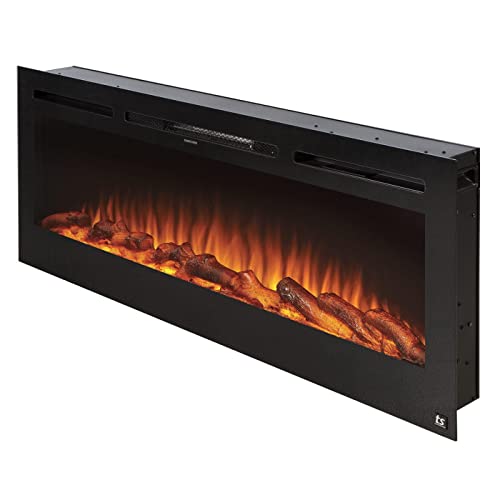
Electric Fireplace with Thermostat and Blower: The Ultimate Buying Guide
Everything you need to know about choosing an electric fireplace with built-in thermostat and blower for efficient, targeted home heating.
START EXPLORINGWhy an Electric Fireplace with Thermostat and Blower? Unlike basic models that only provide ambiance, an electric fireplace with a thermostat and blower combines realistic flames with intelligent, efficient heating. The thermostat maintains your desired room temperature, while the blower distributes warm air evenly—making it a practical supplemental heat source for any room.
What Is an Electric Fireplace with Thermostat and Blower?
An electric fireplace with a thermostat and blower is a plug-in or hardwired heating appliance that simulates the look of a traditional fireplace while providing functional warmth. The thermostat allows you to set a specific temperature; once the room reaches that temperature, the heater cycles off or reduces output to maintain it. The blower (often a fan-forced system) pushes heated air into the room, improving heat distribution compared to radiant-only models.
These units are popular in apartments, condos, and homes without chimneys because they require no venting. They are also a smart choice for zone heating—warming only the room you're using instead of heating the entire house. If you're new to fireplaces, our beginner's guide provides a solid foundation.
How the Thermostat and Blower Work Together
Understanding the synergy between these two components helps you choose the right model. The thermostat is the brain: it reads ambient room temperature and signals the heating element to turn on or off. The blower is the muscle: it pulls cool air from the room, passes it over the heating element, and pushes warm air back out. Without a blower, heat tends to rise and stay near the unit; with a blower, warmth circulates throughout the space.
Many modern units offer adjustable thermostat settings (e.g., 60°F to 90°F) and multiple blower speeds. Some advanced models even include timers and remote controls. For a deeper dive into thermostat features, see our fireplace thermostat guide. If you ever run into issues, our troubleshooting page can help.
Key Benefits of a Thermostat-Controlled Electric Fireplace with Blower
- Energy Efficiency: The thermostat prevents unnecessary heating, reducing electricity consumption. Zone heating with a single unit can lower overall energy bills compared to heating the whole home.
- Even Heat Distribution: The blower ensures warm air reaches every corner of the room, avoiding cold spots.
- Convenience: Set your desired temperature and let the fireplace maintain it automatically. Many models include remote controls and programmable timers.
- Safety: Electric fireplaces produce no carbon monoxide, making them safe for indoor use without ventilation. Our article on electric fireplaces and CO explains more.
- Installation Flexibility: Plug-and-play models require only a standard outlet. For more details, see our electric fireplace installation guide.
Heating Capacity: How Much Space Can It Warm?
Most electric fireplaces with a blower and thermostat produce between 1,500 and 5,000 BTU per hour, which is enough to supplement heating in rooms up to about 400 square feet. Some high-output models can effectively warm areas up to 1,000 square feet, especially when used in conjunction with central heating. If you have a large room, look for a unit specifically designed for that size—our guide on electric fireplaces that heat up to 1000 square feet is a great resource. To calculate the right BTU for your space, see our fireplace sizing guide and BTU guide.
Remember that electric fireplaces are generally best for supplemental heating, not as a primary whole-house heat source. If you're wondering whether a fireplace can heat an entire house, read our detailed analysis here.
Features to Look For in an Electric Fireplace with Thermostat and Blower
When comparing models, consider these features:
- Adjustable Thermostat: Look for a wide temperature range and precise control. Digital thermostats are more accurate than manual dials.
- Multiple Blower Speeds: Allows you to customize airflow and noise level.
- Flame Realism: LED and water-vapor technologies offer the most realistic flames. See our comparison of electric vs gas vs wood for context.
- Remote Control and Smart Features: Many models come with remotes; some support Wi-Fi and app control. Our smart Wi-Fi fireplace controller guide covers this in detail.
- Safety Features: Overheat protection and cool-touch glass are essential, especially in homes with children or pets.
- Installation Type: Freestanding, wall-mounted, built-in, or insert. Each has different space requirements. Learn more in our wall-mounted vs insert vs freestanding comparison.
Installation and Placement Tips
Electric fireplaces are among the easiest to install. Plug-in models simply need a dedicated outlet; built-in and wall-mounted units may require minor carpentry but no venting. Always follow the manufacturer's clearance guidelines—typically at least 12 inches from furniture and curtains. For a comprehensive overview, visit our installation guide. If you're renting or live in an apartment, check our apartment installation guide for tips.
Placement matters for heat distribution: a central location helps the blower circulate air more effectively. Avoid placing the unit near a return air vent, as it can interfere with the thermostat's readings.
Maintenance and Troubleshooting
Electric fireplaces are low-maintenance, but regular care ensures longevity. Dust the blower vents and exterior with a soft cloth; never use water on electrical components. Our cleaning electric fireplace guide walks you through the process. For annual checks, see our electric fireplace inspection guide and maintenance tips.
Common issues include the heater not working, unusual noises, or remote control problems. Our troubleshooting section covers these: not heating, buzzing noise, remote fix, and how to reset.
Cost and Energy Efficiency Considerations
While electric fireplaces are generally affordable to purchase, running costs depend on local electricity rates and usage. Using the thermostat to maintain a lower temperature (e.g., 68°F) and running the blower on a lower speed can reduce consumption. Our articles on electric vs gas running costs and are electric fireplaces expensive to run? provide detailed insights. You can also explore energy-saving tips and most efficient fireplace types.
How It Compares to Other Fireplace Types
Electric fireplaces with thermostat and blower offer a unique blend of convenience, safety, and efficiency. Compared to gas models, they don't require a gas line or venting, making installation simpler. Compared to wood-burning units, they produce no smoke or ash. However, they may not provide the same level of radiant heat as a wood stove. For a full comparison, see our electric vs gas vs wood comparison and pros and cons by type.
If you're replacing an old wood-burning fireplace, an electric insert with thermostat and blower can be a practical upgrade. Learn about replacing wood-burning with electric and inserts for old wood-burning fireplaces.
Quick Buying Checklist
- Determine the square footage you need to heat (see small spaces or large rooms).
- Decide on installation type: plug-in, built-in, wall-mounted, or insert.
- Check thermostat type (digital vs manual) and blower speed options.
- Consider flame realism and extra features like crackling sound (see crackling sound models).
- Review safety certifications and warranty.
- Read our full buying guide for more tips.
Final Thoughts
An electric fireplace with thermostat and blower is a versatile, efficient, and user-friendly heating solution. It brings warmth and ambiance without the complexity of venting or fuel storage. By understanding how the thermostat and blower interact, you can choose a model that perfectly matches your room size and heating needs. For more specific recommendations, explore our main topic page and the product section below.