The Real Cost of Converting a Gas Fireplace to Wood Burning
A comprehensive guide to understanding the financial and structural investment required for a successful gas-to-wood fireplace conversion.
Thinking of switching from gas to wood? While gas fireplaces offer convenience, many homeowners yearn for the authentic crackle and aroma of a real wood fire. However, converting a gas fireplace to wood burning is not a simple swap. It's a significant renovation project that involves major structural changes, safety considerations, and a substantial financial commitment. This guide will walk you through every cost component to help you make an informed decision.
Why Homeowners Consider Converting Gas to Wood Burning
The decision to convert a gas fireplace to a wood-burning one is often driven by a desire for authenticity and independence. A wood fire provides a unique ambiance, crackling sound, and aroma that even the most realistic gas logs cannot fully replicate. For some, it's about self-sufficiency—the ability to heat their home without relying on a gas line during power outages or supply disruptions. Additionally, for those with access to free or low-cost firewood, a wood-burning fireplace can be a more economical way to heat a room over the long term compared to rising gas prices.
However, this desire for authenticity comes with a trade-off. You'll be trading the push-button convenience of gas for the hands-on work of sourcing, stacking, and loading firewood, plus regular ash removal and chimney maintenance. Understanding the full cost breakdown is the first step in determining if this trade-off is worthwhile for your lifestyle.
The Core Challenge: Why This Isn't a Simple Swap
A gas fireplace and a wood-burning fireplace are fundamentally different systems, despite often sharing the same visible opening. A gas fireplace is designed for a clean, controlled burn with a specific venting system (often a direct vent or B-vent) and a gas line supplying fuel. A wood-burning fireplace requires a completely different infrastructure: a large, fire-rated firebox, a robust chimney designed to handle high temperatures and creosote, and a source of combustion air.
In many cases, the existing gas fireplace is a prefabricated unit with a relatively thin metal firebox that is not rated for wood. The chimney may also be a smaller, direct-vent type unsuitable for the volume of smoke a wood fire produces. Therefore, a conversion typically means a complete tear-out and replacement of the firebox and venting system. This is a major renovation, not a DIY weekend project, and should be planned with the expertise of a certified professional.
Detailed Cost Breakdown of Converting a Gas Fireplace to Wood Burning
The total cost of your conversion will depend on several factors, including the complexity of the installation, the type of wood-burning unit you choose, and local labor rates. Here are the primary cost components you need to budget for. Remember, these are described in relative tiers to remain timeless and geographically neutral.
1. Removing the Existing Gas System
Before any new installation can begin, the old gas system must be safely decommissioned and removed. This is a critical safety step that must be performed by a licensed professional.
- Gas Line Capping: A licensed plumber or gas fitter must shut off and cap the gas line. This is a non-negotiable safety requirement. The cost for this is typically in the entry-level to mid-range tier for professional services.
- Removal of Gas Logs, Burner, and Controls: The gas logs, burner assembly, pilot light, and control valve need to be removed. This is often a straightforward task for a technician.
- Firebox and Venting Demolition: If your gas fireplace is a prefabricated unit, the entire metal firebox and its venting system will likely need to be removed. If it's a masonry fireplace with a gas insert, the insert is removed. This can be a labor-intensive process and may require a contractor, falling into a mid-range service cost.
2. The New Wood-Burning Fireplace Unit
This is the most significant investment. You have two main options: a high-efficiency wood-burning fireplace insert or a zero-clearance wood-burning fireplace. If your existing chimney is sound and appropriately sized, a wood-burning fireplace insert can be a more cost-effective option. If not, a high-efficiency zero-clearance wood-burning fireplace allows for installation in new locations and offers superior heating efficiency.
- Entry-Level to Mid-Range Units: These are typically basic steel or cast-iron inserts with standard efficiency ratings. They are functional but may lack advanced features like catalytic combustors or extended burn times.
- Premium to High-End Units: These models offer higher efficiency ratings (often above 70%), larger viewing areas, and advanced features like secondary combustion and blowers. They are designed for serious heating and offer a more beautiful flame picture. The cost difference between an entry-level and a premium unit can be substantial, but the premium unit will provide more heat with less wood and produce less creosote.
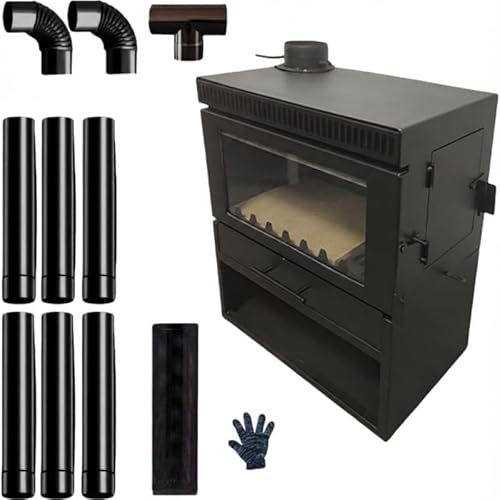
- Freestanding Wood Stoves: Another alternative is to install a freestanding wood-burning fireplace with blower. While it occupies floor space, it can be a more affordable way to get a high-efficiency wood-burning appliance, especially if a suitable chimney route exists. You might even consider converting a gas fireplace to a wood-burning stove for a rustic, powerful heating solution.
3. Chimney and Venting System
This is the most critical and often most expensive part of the conversion. A wood-burning appliance produces far more exhaust volume and creosote than a gas one, requiring a properly sized, insulated, and fire-rated chimney.
- Chimney Liner: In almost all cases, you will need a stainless steel chimney liner for wood stove installation. This liner creates a safe, sealed flue for the wood smoke, protects your chimney from heat damage, and improves draft. A high-quality, insulated liner is essential for safety and performance. This is a mid-range to premium investment depending on the height and complexity of the chimney.
- Chimney Construction or Repair: If your existing chimney is made of unlined brick, has cracks, or is otherwise compromised, you may need significant masonry work. This could include rebuilding the chimney crown, repairing mortar joints, or even building a new exterior chimney chase. This is a high-end to luxury cost component.
- Venting for a Direct Vent or Zero-Clearance Unit: If you install a zero-clearance wood fireplace that doesn't use a traditional masonry chimney, you'll need to install its specific venting system, which typically runs straight up through the roof or out the wall. This is a more controlled, often less expensive process than masonry work but still requires professional installation.
4. Professional Labor and Permits
This is not a DIY-friendly project. The complexity of venting, fire codes, and gas line capping requires experts.
- Professional Installation: Hiring a certified chimney sweep or a licensed fireplace installer is mandatory. They will handle the removal, installation of the new unit, and connection to the chimney. Their expertise ensures the installation is safe and meets local building codes. Labor costs are typically a mid-range to premium percentage of the total project cost.
- Permits: You will almost certainly need a building permit for this type of work. Permit fees vary widely by municipality but are a mandatory expense. Don't skip this, as unpermitted work can cause issues with insurance and home resale.
- Inspection: A final inspection by a local code official is required to sign off on the installation.
Additional Costs You Might Not Have Considered
The conversion itself is just the beginning. Owning a wood-burning fireplace comes with ongoing and one-time costs that you should be aware of.
- Hearth Extension: Building codes require a non-combustible hearth extension in front of the fireplace opening. If your current hearth is too small or made of a combustible material, you'll need to extend or replace it.
- Mantel Clearance: Your existing mantel may be too close to the new, higher-heat fireplace opening. You might need to remove or replace it with a mission-style fireplace mantel or another design that meets clearance requirements.
- Tools and Accessories: You'll need to purchase essential accessories like a fireplace grate, pokers, tongs, a shovel set, and a screen. A quality fireplace grate is crucial for proper airflow.
- Firewood and Storage: You'll need to source, purchase, and store firewood. This requires a dry, covered area to season the wood for at least 6-12 months.
- Increased Maintenance: Unlike a gas fireplace, a wood-burning one requires regular chimney cleaning to remove creosote, ash removal and disposal, and annual inspections.
Is the Conversion Worth the Investment?
Deciding whether to convert a gas fireplace to wood burning is a personal choice that balances cost with desire. If your primary goal is the authentic experience of a real wood fire and you value the potential for heating independence, the investment may be justified. You'll have a stunning, high-efficiency wood-burning fireplace insert that can become the heart of your home.
However, if you are looking for a simple, low-maintenance, and cost-effective way to heat your home, a gas or electric fireplace is likely a better fit. The cost of conversion is often significant, and it's a project that requires professional expertise. For those who find the cost or complexity prohibitive, exploring options like converting a wood-burning fireplace to gas might be a more practical path if you already have a wood-burning setup. Ultimately, the decision should be based on your budget, your lifestyle, and your long-term vision for your home. Understanding the hidden costs of owning a fireplace for each fuel type is key to making a wise choice.
Frequently Asked Questions
Can I just put wood logs in my gas fireplace?
Absolutely not. This is extremely dangerous. Gas fireplaces are not designed to burn wood. Their fireboxes are not insulated for the high heat of a wood fire, and their venting systems cannot handle the smoke and creosote. Burning wood in a gas fireplace can lead to a house fire or carbon monoxide poisoning.
Do I need a chimney for a wood-burning fireplace?
Yes, or a dedicated, engineered venting system. All wood-burning appliances produce smoke and creosote that must be safely vented to the outdoors. You can learn more about this in our guide on whether you need a chimney or vent.
How long does a conversion take?
A professional conversion typically takes several days to a week or more, depending on the complexity of the chimney work and the removal of the old unit. It's a major construction project.
Is it cheaper to convert to a wood stove instead?
Sometimes. If you have a suitable location and chimney path, installing a freestanding wood stove can be less expensive than a full built-in fireplace conversion. You can find more information on installing a wood-burning stove in a fireplace.
Final Thoughts: Converting a gas fireplace to wood burning is a complex and costly project, but for those who crave the authentic experience of a real wood fire, it can be a rewarding investment. By understanding the full scope of costs—from demolition and new units to chimney work and ongoing maintenance—you can make a decision that aligns with your budget and lifestyle. Always consult with certified professionals to ensure a safe and code-compliant installation.