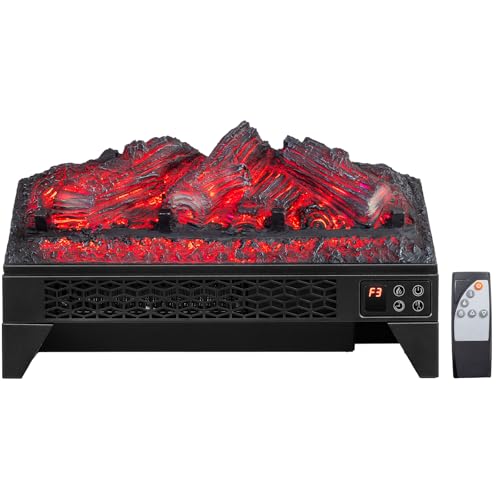
If you have an old wood-burning fireplace that's more of a hassle than a pleasure, you're not alone. Many homeowners are making the switch to electric inserts for their unmatched convenience, safety, and efficiency. Converting your wood-burning fireplace to an electric insert is a smart, modern upgrade that eliminates the need for chopping wood, cleaning ashes, and dealing with chimney maintenance. This guide will walk you through every aspect of the conversion, from understanding the benefits to a detailed step-by-step installation process.
Before you begin, it's helpful to understand the fundamental differences between fireplace types. For a broader overview, you can read our guide on the types of fireplaces to see how electric models compare to their gas and wood counterparts.
Key Takeaways
- Easy Conversion: Electric inserts are often the simplest type of fireplace conversion, typically requiring no venting or gas lines.
- High Efficiency: Electric inserts operate at nearly 100% efficiency, turning almost all the energy they consume into heat for your room.
- Low Maintenance: Say goodbye to chimney sweeps and ash removal. Electric inserts require very little maintenance.
- Stylish & Realistic: Modern electric inserts feature incredibly realistic flame effects, logs, and ember beds, mimicking the look of a real fire.
- DIY-Friendly: Many electric insert installations are simple enough for a confident DIYer to handle in a single afternoon.
Why Convert Your Wood Fireplace to an Electric Insert?
The decision to convert is driven by a desire for convenience, safety, and modern aesthetics. While a traditional wood fire offers a unique ambiance, it also comes with significant drawbacks that an electric insert effectively eliminates.
One of the most significant advantages is efficiency. An open wood-burning fireplace is notoriously inefficient, often losing more heat up the chimney than it provides to the room. In contrast, an electric insert is designed to be a highly effective space heater. To understand the difference in operating expenses, it's worth exploring the electric vs gas running costs, which highlights why electric is often a cost-effective choice for supplemental heating.
Furthermore, safety is a primary concern. Electric inserts produce no smoke, carbon monoxide, or creosote, making them a much safer option for your home. You don't have to worry about embers escaping or chimney fires. If you're curious about safety, you can read more about whether electric fireplaces produce carbon monoxide (they don't). This makes them an excellent choice for families with children or pets.
| Feature | Wood-Burning Fireplace | Electric Insert |
|---|---|---|
| Efficiency | Low (10-20%) | High (up to 100%) |
| Maintenance | High (ash, soot, chimney) | Very Low (occasional dusting) |
| Installation | Complex (requires chimney) | Simple (plug-and-play) |
| Safety | Moderate (smoke, embers, CO) | High (no emissions) |
| Convenience | Low (fuel, lighting, cleaning) | High (remote control, thermostat) |
| Ambiance | Authentic wood fire | Realistic flame effects |
The table above clearly illustrates why so many homeowners are choosing to convert. The convenience of a remote-controlled, thermostat-regulated heater that you can enjoy with the push of a button is a game-changer. If you're considering a different type of conversion, our article on the cost of converting a wood fireplace to electric provides a detailed breakdown of what to expect.
Is Your Wood-Burning Fireplace a Good Candidate for Conversion?
Not all wood-burning fireplaces are ideal for an electric insert conversion. The best candidates are typically masonry fireplaces or factory-built (zero-clearance) units that are in good structural condition.
If your existing fireplace is a prefabricated metal box, often called a zero-clearance fireplace, it's almost always a suitable candidate. The conversion process is usually straightforward. For those with a masonry fireplace, the process is also generally simple, as the existing firebox provides a perfect cavity for the new insert. The key is to ensure the existing structure is sound and free of any major damage.
If your fireplace is a gas model and you're considering a switch, the process is different. You would be looking at converting a gas fireplace to electric, which involves capping the gas line and is a job for a professional. For wood-burning conversions, the process is much more DIY-friendly. Before you start, it's wise to check if you need a fireplace permit, though most electric insert installations do not require one.
Step-by-Step Guide: Converting Your Wood Burning Fireplace to an Electric Insert
This process is designed to be a straightforward DIY project for most homeowners. However, if you are not comfortable working with tools or have any doubts, hiring a professional is always the best course of action. You can learn more about the differences between a DIY vs professional fireplace installation to help you decide.
Preparation and Safety First
Before you begin, ensure the fireplace is completely cool and free of any debris. Remove the fireplace grate, andirons, and any other accessories from the firebox. Clean out any remaining ash. Safety is paramount, so make sure you have the necessary tools and a clear workspace.
Measure Your Fireplace Opening
Accurate measurements are critical. Measure the width, height, and depth of the fireplace opening at the front, and also measure the rear width and depth to ensure the insert will fit. Most electric inserts are designed to fit into standard fireplace openings, but you need to account for any obstructions. Consider the viewing area you want; a realistic electric insert with heat can be a great centerpiece. If you have a particularly large opening, you might need a larger electric fireplace to fit in your existing fireplace.
Choose the Right Electric Insert
Select an electric insert that matches your measurements and your heating needs. Consider the BTU output, which determines how much space it can heat. If you need to heat a large room, look for a best electric fireplace heater for large rooms. Features like a remote control, thermostat, and multiple flame settings add convenience. For a touch of realism, some models come with a crackling sound effect.
Prepare the Fireplace and Install the Insert
Clean the firebox thoroughly. If your fireplace has a gas line, it must be capped by a professional. For a wood-burning fireplace, you may need to remove the damper or secure it in the open position to allow for proper airflow, though most electric inserts do not require venting. Carefully slide the electric insert into the firebox. It should be a snug fit. Some models can be plugged into a standard outlet, while others may need to be hardwired. If you need to hardwire, it's best to consult an electrician. If you're looking for a simple plug-and-play solution, an electric fireplace insert for a wood burning fireplace is an excellent choice.
Finishing Touches and Final Check
Once the insert is in place, you may want to add a new surround or mantel to complete the look. Many electric inserts come with a trim kit to cover any gaps. Before using it, ensure the unit is stable and all packaging materials are removed. Plug it in, turn it on, and test all functions, including the heater and flame effects. Always refer to the manufacturer's instructions for specific installation and safety guidelines.
If you need help finding a professional, you can search for electric fireplace insert installation near me to find a qualified technician in your area. For a more detailed walkthrough, our guide on installing an electric fireplace into an existing fireplace is a valuable resource.
Maintenance and Long-Term Care for Your New Electric Insert
One of the greatest benefits of an electric insert is its minimal maintenance. Unlike wood-burning fireplaces, you won't need an annual fireplace inspection for creosote buildup. However, a little care will keep your insert looking and performing its best.
Regularly dusting the exterior and using a soft cloth to clean the glass will keep it looking new. You can learn more in our guide on cleaning an electric fireplace. Periodically check the power cord for any damage and ensure the vents are not blocked by dust or furniture. For a comprehensive overview, our electric fireplace maintenance tips provide a full checklist.
If you ever encounter an issue, such as the unit not heating, you can troubleshoot using our guide on electric fireplace not heating. Most issues are simple to resolve, such as a tripped breaker or a faulty remote control. If you lose your remote, you can find a replacement remote control.