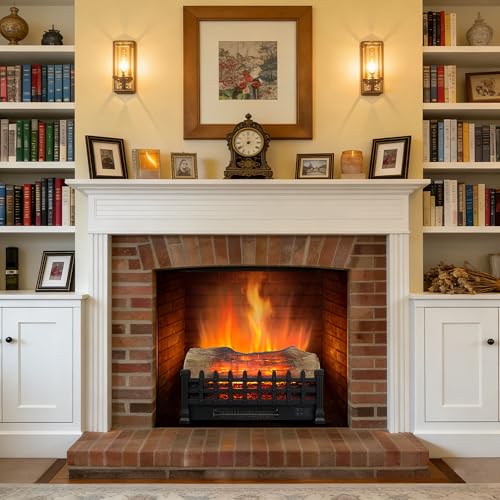
Convert Wood Burning Fireplace to Electric
A complete guide to transforming your traditional wood burning fireplace into a clean, efficient, and low-maintenance electric fireplace
START THE CONVERSIONWhy Convert to Electric? Converting a wood burning fireplace to electric eliminates the need for chimney maintenance, firewood storage, and constant cleaning. Electric inserts provide instant ambiance and efficient supplemental heat at the push of a button, making them one of the most practical upgrades for modern homeowners.
Why Convert Your Wood Burning Fireplace to Electric?
If you own a traditional wood burning fireplace, you already know the appeal: the crackling sound, the authentic aroma, and the timeless charm of a real fire. However, you also know the downsides — hauling firewood, dealing with ash and soot, scheduling annual chimney cleaning, and the frustration of a smoky room when the draft isn't right. These challenges lead many homeowners to explore alternatives, and converting a wood burning fireplace to electric has become one of the most popular solutions.
The conversion process is surprisingly straightforward. Unlike switching to a gas fireplace insert, which requires a gas line and professional venting, an electric fireplace insert for a wood burning fireplace simply needs a standard electrical outlet. This makes it an accessible project for most homeowners, even those with limited DIY experience.
Beyond convenience, electric inserts offer consistent, controllable heat. You can set a thermostat, use a remote control, and even schedule operation — features that are simply impossible with a traditional wood fire. For those who value both aesthetics and efficiency, the most realistic looking electric fireplace models now feature flame effects so convincing that guests often can't tell the difference.
Key Takeaway: Converting a wood burning fireplace to electric is the simplest and most cost-effective fireplace conversion available. No venting, no gas lines, no major renovation — just a clean, efficient upgrade that preserves the look of your existing firebox.
Pros and Cons of Converting to Electric
Before you commit to the conversion, it's important to understand both the advantages and the limitations. Here's an honest breakdown:
✅ Advantages
- No venting or chimney required
- Zero maintenance — no ash, soot, or creosote
- Instant on/off with remote or thermostat
- Consistent, controllable heat output
- Safe for apartments and condos
- No firewood storage or cleanup
- Environmentally cleaner operation
- Lower long-term maintenance costs
- Can be used year-round for ambiance
❌ Limitations
- Requires a nearby electrical outlet
- Heat output is supplemental, not primary
- No authentic wood-burning aroma or sound
- Higher-tier models needed for large rooms
- Flame realism varies by quality tier
- Cannot be used during power outages
- May require minor firebox modification
For a broader comparison of how electric stacks up against other fuel types, see our guide on electric vs gas vs wood fireplace comparison. If you're specifically weighing electric against gas, the gas vs electric fireplace running costs breakdown is particularly useful for long-term planning.
Step-by-Step Conversion Guide
Converting your wood burning fireplace to electric is a manageable project. Here's the complete process, from measurement to first use:
- Measure Your Firebox Use a tape measure to record the width, height, and depth of your existing firebox. Also note the shape — some fireboxes taper toward the back. These measurements determine which electric insert size will fit properly. Most inserts are designed with a range of sizes to accommodate standard firebox dimensions.
- Choose Your Electric Insert Select an electric fireplace insert for an existing fireplace that matches your measurements. Consider heating capacity (measured in BTU), flame realism, and features like remote control or thermostat. For a detailed sizing guide, see fireplace heating capacity BTU guide.
- Prepare the Firebox Clean out any remaining ash and debris. Inspect the firebox for loose bricks or damaged mortar. In most cases, you can install the electric insert directly into the existing firebox without structural changes. Some homeowners choose to cap or seal the chimney to prevent drafts — this is optional but recommended.
- Address Electrical Needs Electric inserts require a standard grounded outlet. If your fireplace area lacks an outlet, you may need to have one installed by a licensed electrician. Some models come with a plug-and-play cord that reaches several feet, giving you flexibility. For more details, see electric fireplace installation plug and play.
- Install the Insert Slide the electric insert into the firebox. Most units are designed to sit flush or slightly recessed. Follow the manufacturer's instructions for securing the unit. Some models include a trim kit to cover gaps between the insert and the firebox opening.
- Connect and Test Plug in the unit and test all functions — flame effect, heater, remote control, and thermostat. Ensure the unit operates correctly before finalizing the installation. If you encounter issues, our electric fireplace troubleshooting guide covers common problems.
- Finish and Enjoy Add a mantel or surround if desired to complete the look. Many homeowners pair their new electric insert with a fireplace mantel or fireplace surround replacement to refresh the entire hearth area.
Pro Tip: Before purchasing an insert, verify that your firebox dimensions match the insert's specifications. A unit that is too large won't fit, while one that is too small may look awkward. Always check the manufacturer's minimum and maximum firebox requirements.
Wood Burning vs Electric: At a Glance
The table below summarizes the key differences between keeping your wood burning fireplace and converting to electric:
| Feature | Wood Burning | Electric Insert |
|---|---|---|
| Venting Required | Yes — chimney or flue | No |
| Maintenance | Frequent — ash, creosote, chimney sweep | Minimal — dusting and occasional inspection |
| Installation Complexity | High — requires professional installation | Low — DIY-friendly |
| Heat Control | Manual — requires attention | Precise — thermostat and remote |
| Ambiance | Authentic crackle and aroma | Realistic flame effects (varies by tier) |
| Safety | Requires monitoring, ember protection | Cool-to-touch options, no open flame |
| Indoor Air Quality | Produces smoke and particulates | Clean — no emissions |
| Best For | Traditional homes, off-grid heating | Convenience, ambiance, supplemental heat |
Choosing the Right Electric Insert
Not all electric inserts are created equal. The market offers a range of options from entry-level to luxury, each with distinct features. Here's what to consider:
Basic Flame Effect
These models offer simple LED flame effects and basic heating. They are budget-friendly and ideal for occasional use or small spaces. Best for homeowners who want ambiance without advanced features.
Enhanced Realism
Mid-tier inserts feature more realistic flame effects, adjustable brightness, and better heating capacity. Many include remote controls and thermostats. A solid choice for most living rooms.
Advanced Features
Premium models offer multi-color flames, crackling sound effects, and higher BTU output. They often include smart home compatibility and app control. Ideal for primary living spaces.
Ultra-Realistic Experience
Luxury inserts deliver the most convincing flame realism, with hand-painted logs, dynamic ember beds, and premium materials. They are designed for homeowners who want the closest possible experience to a real fire.
When selecting an insert, pay attention to the heating capacity. A unit rated for 400 square feet won't adequately heat a large open-concept living room. Use our how to size a fireplace guide to determine the right capacity for your space. For those who need maximum heat, a high BTU electric fireplace insert is worth considering.
If realism is your top priority, explore the most realistic electric fireplace insert options. Some premium models even include crackling sound effects for a fully immersive experience.
Installation Tips and Best Practices
While converting to electric is simpler than other fireplace conversions, a few best practices ensure a smooth installation:
- Check your electrical circuit: Electric inserts draw significant wattage. Ensure the outlet you plan to use is on a circuit that can handle the load. If not, consult an electrician.
- Consider a dedicated outlet: For high-BTU models, a dedicated circuit is recommended to prevent tripping breakers.
- Seal the chimney: If you're not using the chimney, consider a fireplace inflatable draft stopper to prevent cold air from entering.
- Use a trim kit: A trim kit covers gaps between the insert and the firebox, giving a finished, built-in look.
- Plan for cord management: Ensure the power cord reaches the outlet without stretching. If needed, use a heavy-duty extension cord rated for the insert's wattage.
If you're unsure about any step, our DIY vs professional fireplace installation guide can help you decide whether to tackle the project yourself or hire a professional. For those who prefer professional help, searching for "electric fireplace insert installation near me" can connect you with local installers.
After installation, proper maintenance ensures your insert lasts for years. Our electric fireplace maintenance tips cover everything you need to know, from cleaning to annual inspections.
Frequently Asked Questions
Can I convert my wood burning fireplace to electric myself?
Yes, in most cases. Electric inserts are designed for DIY installation. You'll need basic tools and a nearby outlet. However, if you need to install a new electrical circuit, hiring a licensed electrician is recommended. For a detailed guide, see our DIY electric fireplace resource.
Will an electric insert fit my existing firebox?
Most electric inserts are designed to fit standard firebox dimensions. Measure your firebox carefully and compare it to the insert's specifications. Some models include adjustable trim kits to accommodate slight size variations. For more information, see electric fireplace to fit in existing fireplace.
Do I need to cap my chimney after converting to electric?
Capping or sealing the chimney is not strictly required, but it is recommended. An open chimney allows cold air to enter and conditioned air to escape, reducing energy efficiency. A fireplace draft stopper or chimney cap solves this issue.
How much does it cost to convert a wood burning fireplace to electric?
The total investment depends on the electric insert you choose and whether you hire a professional. Entry-level inserts are budget-friendly, while premium and luxury models with advanced features require a higher investment. For a comprehensive cost breakdown, see our fireplace cost breakdown guide.
Can an electric fireplace heat an entire house?
Electric inserts are designed for supplemental heating, not whole-house heating. They work best in individual rooms or open-concept spaces. For more information, see can a fireplace heat an entire house.
Are electric fireplaces expensive to run?
Running costs depend on your local electricity rates and how often you use the heater. Flame-only mode uses very little electricity, while heating mode draws more power. For a detailed analysis, see are electric fireplaces expensive to run.
Ready to Make the Switch?
Explore our recommended electric fireplace inserts below and find the perfect fit for your existing firebox.
View Recommended InsertsRelated Guides and Resources
Converting your fireplace is just one step in creating a beautiful, functional living space. These guides can help you with every aspect of your fireplace project:
- Electric fireplace insert into wood burning fireplace — specific installation guidance
- Replacing a wood burning fireplace with electric — replacement considerations
- Converting wood burning fireplace to electric insert — insert-specific conversion guide
- Electric fireplace insert to replace wood burning — direct replacement options
- Installing electric fireplace into existing fireplace — step-by-step installation
- Electric fire inserts for existing fireplaces — product selection guide
- Fireplace buying guide — comprehensive buying advice
- Which fireplace is right for your home — decision-making guide
- Fireplace maintenance — ongoing care for all fireplace types
- Do electric fireplaces produce CO — safety information