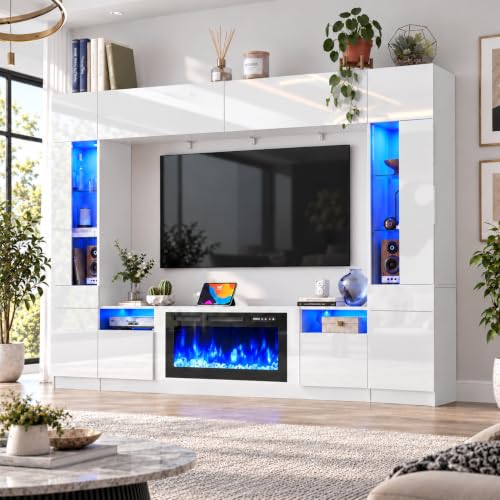
Built-In Entertainment Center with Fireplace Installation
Transform your living space with a seamless media wall that combines warmth, storage, and entertainment. This guide walks you through design, planning, venting, wiring, and installation essentials.
Find Your Perfect CenterWhy a built-in entertainment center with fireplace? It creates a stunning focal point, maximizes floor space, hides cables, and integrates heating with media. Whether you're remodeling or building new, the right installation ensures safety, efficiency, and a polished look that adds value to your home.
Design & Planning Your Media Wall
Layout & Proportions
Start by measuring your wall and TV. A common rule is to allow 2–3 inches of clearance around the TV for ventilation. The fireplace should be centered below or beside the TV. For a balanced look, consider fireplace proportions to room shape. If you have an open concept, review fireplace sizing for open concept rooms.
Fireplace Type
Electric fireplaces are popular for built-ins because they need no venting and offer flexible placement. Gas fireplaces provide realistic flames but require venting or ventless options. Wood burning is traditional but needs a chimney. Compare built-in vs freestanding and check types of fireplaces to decide.
TV Above Fireplace?
Mounting a TV above a fireplace is a hot topic. If you do, ensure the fireplace is a electric fireplace or a ventless gas model with low heat output directed forward. Always follow TV above fireplace safety guidelines. Alternatively, place the TV beside the fireplace for a cleaner look.
Storage & Shelving
Built-in cabinets and shelves flanking the fireplace add function and style. Consider building built-in cabinets next to fireplace for a custom look. If you prefer a ready-made solution, explore fireplace with bookshelves on each side ideas.
Installation Essentials: Venting, Wiring, and Framing
Critical safety note: Always check local building codes and obtain permits before installation. For gas or wood fireplaces, professional installation is strongly recommended. Review fireplace permit requirements and ventilation requirements for your area.
- Framing: Build a sturdy frame using 2x4s or metal studs. Ensure the opening matches your fireplace dimensions and leaves room for wiring and venting. For electric models, follow the plug-and-play installation guide.
- Venting: Gas and wood fireplaces need proper venting. Direct vent or B-vent options exist. If you're unsure, read do you need a chimney or vent? For ventless gas, ensure the room meets ventilation requirements.
- Wiring: Plan for electrical outlets for the fireplace, TV, and media components. Consider a dedicated circuit for high-power electric fireplaces. Learn about electricity usage to size your circuit.
- Fireplace Insert: If you're converting an existing fireplace, you may need an electric fireplace insert into existing fireplace or a gas fireplace insert for wood burning fireplace.
- Finish Work: Add drywall, stone, tile, or wood veneer. For stone surrounds, see white stone for fireplace surround. Ensure all materials are heat-resistant and meet clearance requirements.
- Mount TV & Shelves: Use a sturdy mount rated for your TV size. For heavy TVs, consider a full wall entertainment center with fireplace for added support.
- Final Connections: Connect gas lines (professionally), plug in electric fireplaces, and organize cables with cable management kits. Test all functions before finishing.
Pros & Cons of Built-In Entertainment Centers
✅ Advantages
- Creates a custom, high-end focal point
- Hides wires and media equipment
- Adds storage and display space
- Can increase home value
- Integrates heating with entertainment
- Space-saving compared to separate units
⚠️ Considerations
- Higher upfront cost than freestanding units
- Requires careful planning and installation
- Less flexibility if you rearrange furniture
- Venting and wiring can be complex
- Professional help often needed for gas/wood
- May limit TV size if space is tight
Choosing the Right Fireplace for Your Built-In
Electric Fireplaces
Best for DIY and retrofit projects. No venting, easy installation, and realistic flame options. Look for models with realistic flame and heater functions. Many are designed for electric fireplace insert for entertainment center.
Gas Fireplaces
Offer real flames and higher heat output. Ventless models are convenient but require ventless gas fireplace insert with blower for efficiency. Direct vent models are safer for airtight homes. Always hire a licensed professional for gas line connections.
Wood Burning
Traditional charm but requires a chimney and regular maintenance. Best for homes with existing chimneys. Consider a high-efficiency wood burning fireplace insert to reduce emissions and improve heat output.
Ethanol & Pellet
Ethanol fireplaces are ventless and eco-friendly but produce less heat. Pellet inserts are efficient and use renewable fuel. Both can be integrated into built-ins with proper planning. See ethanol fireplace insert for existing fireplace and pellet stove insert for fireplace.
Investment Tiers & Value
Built-in entertainment centers range from entry-level DIY-friendly setups to luxury custom millwork. Here's how the tiers compare:
Entry-Level & Budget-Friendly
Typically uses an electric fireplace insert and ready-to-assemble shelving. Installation is often DIY. Best for apartments or quick upgrades. Explore cost-effective fireplace solutions.
Mid-Range & Mid-Tier
Includes custom-built frames, better materials, and a mid-range gas or electric fireplace. May require professional wiring or venting. Offers a balance of quality and value.
Premium & High-End
Features custom cabinetry, stone surrounds, high-efficiency gas or wood inserts, and smart home integration. Often designed by professionals. Adds significant home value.
Luxury & Top-Tier
Fully bespoke media walls with integrated lighting, hidden compartments, and premium materials like marble or exotic wood. May include double-sided fireplaces or see-through designs.
Long-term value: A well-designed built-in can increase your home's resale value and reduce energy costs if you choose an efficient fireplace. Read does a fireplace add value to your home? and most energy-efficient fireplace types.
Common Pitfalls & How to Avoid Them
Insufficient Clearance
Not leaving enough space around the fireplace or TV can cause overheating. Always follow manufacturer specs. For furniture, check furniture distance from fireplace.
Improper Venting
Ventless gas fireplaces still need airflow. Poor venting can lead to carbon monoxide signs. Always install a CO detector.
Electrical Overload
Plugging too many devices into one circuit can trip breakers. Learn about electric fireplace tripping breaker and plan a dedicated circuit.
Ignoring Maintenance
Regular maintenance ensures safety and longevity. See fireplace maintenance schedule for seasonal tasks.
Research-backed guidance: This guide is based on industry best practices, building codes, and hands-on experience. We help you make informed decisions before you buy. For a deeper dive into specific products, explore our fireplace buying guide or what is a fireplace beginner guide.