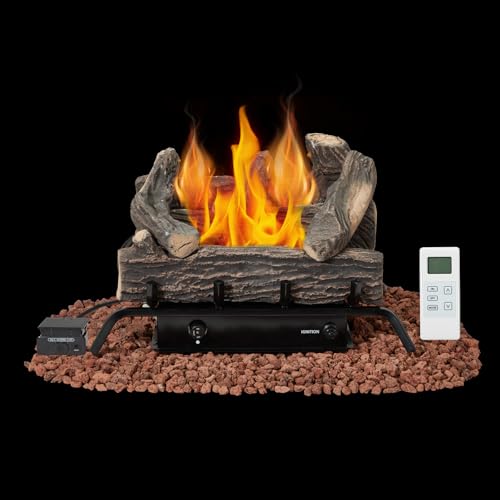
Average Cost to Replace a Gas Fireplace Insert
Replacing a gas fireplace insert is a significant investment that revitalizes your home's heating and aesthetic. This guide breaks down the average cost, key factors influencing your final investment, and what you can expect from the process.
If your existing gas fireplace insert is outdated, inefficient, or no longer functioning safely, a replacement is a wise decision. A new gas insert can dramatically improve your home's energy efficiency, provide more consistent heat, and elevate the look of your living space. Understanding the average cost to replace a gas fireplace insert helps you plan your project with confidence. Before diving into the costs, it's helpful to have a foundational understanding of how these units work, which you can gain from our beginner's guide to fireplaces. The final investment depends on a combination of the unit itself, labor, and any necessary modifications to your existing fireplace and venting system.
The Average Cost at a Glance
The total cost to replace a gas fireplace insert is typically divided into three main categories: the cost of the new insert, professional labor, and potential additional materials for venting or modifications. To give you a clear picture without tying you to specific market prices, we've categorized these costs into quality tiers. This approach remains relevant regardless of economic shifts.
| Cost Component | Quality Tier | Relative Cost Level | What It Includes |
|---|---|---|---|
| New Gas Insert Unit | Entry-Level | Baseline | Basic features, standard efficiency, simple flame presentation |
| New Gas Insert Unit | Mid-Range | Moderate | Improved realism, higher efficiency ratings, remote control, variable flame |
| New Gas Insert Unit | Premium | Significant | High-efficiency, realistic logs and embers, smart home features, robust blower |
| New Gas Insert Unit | Luxury | Top-Tier | Custom sizing, designer surrounds, advanced controls, exceptional realism |
| Professional Labor | N/A | Standard | Removal of old unit, installation of new insert, connection to gas and venting |
| Venting & Modifications | N/A | Variable | New liner, venting adjustments, electrical work, hearth modifications |
Important Note: The cost of the insert itself is only one part of the equation. Labor and any necessary venting upgrades often constitute a significant portion of the total project. Always obtain a detailed quote that itemizes every component.
Key Factors That Influence Your Final Investment
Several variables can cause the cost to replace a gas fireplace insert to fluctuate. Understanding these factors helps you anticipate the scope of your project and make informed decisions.
- Type and Quality of the New Insert: As outlined above, the quality tier of the new unit is a primary driver. Entry-level models are more straightforward, while premium and luxury inserts offer advanced features like more realistic flames, better heating capacity, and smart controls.
- Efficiency Rating: Higher efficiency units, such as those designed for maximum energy efficiency, often have a higher upfront cost but can reduce your long-term energy consumption.
- Labor Complexity: A straightforward swap of a similar-sized unit is less labor-intensive. However, if the new insert is a different size, requires a new venting configuration, or if the existing fireplace needs repairs, labor costs will increase.
- Venting Requirements: Most gas inserts require a specific type of venting, such as a direct vent or B-vent. If your existing venting is incompatible or damaged, a new liner or venting system may be necessary. This is a common additional cost. For a deeper dive, see our guide on whether you need a chimney or vent.
- Electrical Work: Many modern gas inserts require electricity for blowers, remote controls, and ignition systems. If there is no existing power source near the fireplace, an electrician may be needed.
- Hearth and Surround Modifications: If the new insert has different dimensions, you may need to modify the hearth or surround. This can involve masonry, tile, or carpentry work.
- Removal and Disposal: The cost to remove and dispose of your old insert is often included in the labor quote, but it's a factor to confirm.
What to Expect During the Replacement Process
Knowing the steps involved helps you prepare for the project and understand where your investment is going. A professional replacement typically follows these stages:
- Assessment and Quote: A technician will inspect your existing fireplace, venting, and gas line to determine the best replacement options and provide a detailed quote.
- Ordering the New Unit: Once you've selected your new insert, it will be ordered. Lead times can vary based on the manufacturer and model.
- Disconnection and Removal: The gas supply is shut off, the old insert is disconnected, and it is carefully removed. Any old venting components may also be removed.
- Preparation and Modifications: The fireplace cavity is cleaned and prepared. Any necessary modifications to the venting, electrical, or hearth are made.
- Installation: The new insert is positioned, connected to the gas line and venting system, and secured. Electrical connections for blowers or controls are completed.
- Testing and Inspection: The technician will test the unit for leaks, proper ignition, and flame appearance. They will also check that all safety features are functioning correctly.
- Cleanup and Walkthrough: The work area is cleaned, and the technician will show you how to operate your new insert and its features.
For those considering a switch to a different fuel type, it's worth noting that the process and costs differ. For example, the cost of converting a gas fireplace to wood burning involves entirely different components and labor. Similarly, the cost of converting a gas fireplace to electric is another alternative to consider if you're looking for a simpler installation.
Is Replacing Your Gas Insert Worth It?
For most homeowners, replacing an old, inefficient gas insert is a worthwhile investment. The benefits extend beyond just improved aesthetics and heating. A new, high-efficiency unit can lower your energy bills, increase your home's value, and provide a safer, more reliable source of heat. If your current insert is a constant source of problems, such as a gas fireplace that won't light or a pilot light that keeps going out, a replacement can eliminate these frustrations. Furthermore, if you're considering a larger renovation, understanding the full cost breakdown of a fireplace project can help you budget effectively.
Pro Tip: When obtaining quotes, ask for a line-item breakdown that separates the cost of the unit, labor, venting, and any potential modifications. This transparency allows you to compare quotes accurately and identify any hidden costs.
Frequently Asked Questions
-
How long does it take to replace a gas fireplace insert?
The installation itself typically takes a few hours to a full day for a straightforward replacement. However, the entire process—from ordering the unit to final inspection—can take several weeks, depending on the availability of the model and the complexity of any necessary modifications.
-
Can I replace a gas insert with an electric one?
Yes, it is possible. The cost of converting a gas fireplace to electric is often different from a direct gas insert replacement. Electric inserts are generally easier to install as they do not require venting or a gas line, but you may need to cap the gas line and ensure a proper electrical outlet is available.
-
Do I need a professional to replace my gas insert?
Yes, it is strongly recommended to hire a licensed professional for gas insert replacement. Working with gas lines and venting systems is dangerous and requires specialized knowledge and permits. A professional ensures the installation is safe, up to code, and functions correctly. For more details, see our guide on DIY vs professional installation.
-
What is the lifespan of a gas fireplace insert?
A well-maintained gas fireplace insert can last 15 to 20 years or more. Regular gas fireplace maintenance is key to maximizing its lifespan and ensuring safe operation. If your unit is approaching this age and requires frequent repairs, replacement is often the more cost-effective choice.
Ready to Explore Your Options?
Now that you understand the potential investment, you can begin researching the best models for your home. Our curated selection of recommended gas fireplace inserts can help you find the perfect balance of efficiency, style, and features.
View Recommended Gas Inserts